
Tofail Ahmed: A life dedicated to Bangladesh's independence and democracy
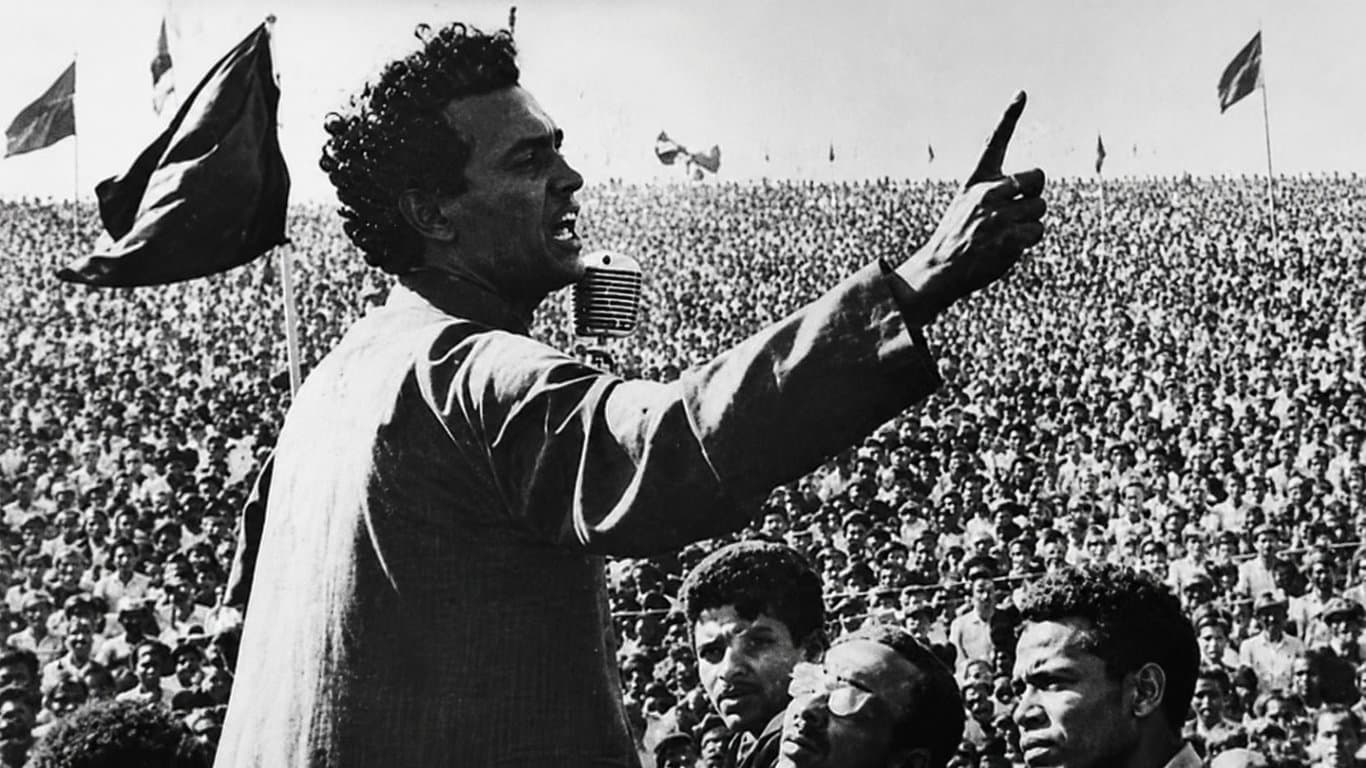

The history of Bangladesh's independence is not merely the story of a territory's birth; it is a glorious chapter of a long bloody struggle, immense sacrifice, indomitable courage and visionary leadership. Intertwined in every bend of this history are countless heroes, without whose sacrifice and contribution the dream of an independent Bangladesh would not have been realised. One such brilliant star, who played a pivotal role from the student-public movement to the various phases of post-independence nation-building, is Tofail Ahmed.
In the political history of Bangladesh, Tofail Ahmed is a name who, from a young age, played an active role in movements for people's rights. From the turbulent 1960s, through the Six-Point Movement, the 1969 Mass Uprising and subsequently in creating the context for the Liberation War, he was a dedicated organiser and a courageous voice. As a close associate of Bangabandhu Sheikh Mujibur Rahman, he played a crucial role in awakening political consciousness among students and the general public.
In the post-independence period, he actively participated in rebuilding the new state. His presence in democratic movements, parliamentary politics and national policymaking has been repeatedly discussed. Throughout his long political career, he demonstrated courage, strategic thinking and people-centric leadership during various critical moments. Tofail Ahmed's political life, therefore, is not just the story of one individual; it is an inseparable chapter of Bangladesh's liberation struggle, the development of democracy and the establishment of people's rights. Leadership like his energised history and gave a nation the dream of freedom and self-respect.
Organiser and commander of Mujib Bahini
During the great Liberation War of 1971, Tofail Ahmed played an unforgettable role as one of the principal organisers and central commander of the Mujib Bahini (Bangladesh Liberation Forces). This formidable student leader of the time led the mobilisation of youth and students and oversaw their military training in Dehradun, India. Among the four sectors of the Mujib Bahini, he successfully served as the chief regional commander of eight districts (Jessore, Khulna, Kushtia, Barishal, Patuakhali, Faridpur, Dhaka and Mymensingh). Inspired by him, thousands of freedom-seeking youths took up arms and participated in direct confrontations against the Pakistani occupation forces. Stepping into the role of a visionary organiser and commander, he made an unparalleled contribution to achieving Bangladesh's independence by determining battlefield strategies, maintaining internal discipline of the force and boosting the morale of the freedom fighters.
Training and leadership of freedom fighters
In the great Liberation War, Tofail Ahmed played an extremely important and unique role in Bangladesh's struggle for independence and armed resistance. In 1971, he was the president of the undivided Bengal Chhatra League and one of the top leaders of the 'Swadhin Bangla Kendrio Chhatra Sangram Parishad'. During the Liberation War, Tofail Ahmed made an outstanding contribution to mobilising students and freedom-seeking Bengalis. He worked as a frontline organiser, inspiring youth and young men from various parts of the country to participate in the liberation war, sending them to India for appropriate military training, and providing them with overall guidance and direction. Throughout the war, coordinating with the provisional government of Bangladesh, he played an active role in providing political leadership, maintaining the morale of the freedom fighters and creating public opinion in favour of Bangladesh's independence on the international stage. His sharp political wisdom, inspiring speeches and robust leadership motivated thousands of young men to take up arms and rush to the battlefield that day.
Leadership of student movement
Tofail Ahmed's role in leading the student movement is a golden chapter in Bangladesh's political history. In the 1960s, he made an outstanding contribution to mobilising students against the autocratic Ayub Khan government. As vice-president of Dhaka University Central Students' Union in 1968-69 and convener of the All-Party Student Action Committee, he led the historic '11-Point' movement. Under his strong and fiery leadership, the unforgettable 1969 mass uprising took place, which strengthened the foundations of Bengali nationalism in erstwhile East Pakistan. It was due to Tofail Ahmed's uncompromising and steadfast leadership that the Ayub government was forced to unconditionally release Bangabandhu Sheikh Mujibur Rahman and all other political prisoners from the Agartala Conspiracy Case. Subsequently, on February 23, 1969, at a vast sea of people at Dhaka's Race Course Maidan (now Suhrawardy Udyan), on behalf of the militant student society, he conferred the title of 'Bangabandhu' upon Sheikh Mujibur Rahman. Through this historic announcement, he integrated the mainstream current of national liberation with the student movement. Later, during the great Liberation War of 1971, he again played the role of an extraordinary organiser. As one of the organisers of the Mujib Bahini, he directly participated in the war of independence. His transition from student leader to national leader and his uncompromising political philosophy will forever be written in gold letters in the history of Bangladesh's struggle for independence and the fight for democratic rights.
Building international public opinion during the Liberation War
Tofail Ahmed played a vital role in shaping international public opinion during Bangladesh's great Liberation War of 1971. As a top leader of the then 'All-Party Student Action Committee' and a founding member of the Mujib Bahini, he presented the justifications for Bangladesh's independence to the outside world. He made relentless efforts to garner the support of world leaders. A hero of the 1969 mass uprising and a close associate of Bangabandhu, Tofail Ahmed went to India shortly after the Liberation War began and worked there to unite freedom fighters and ordinary expatriates. His political foresight and organisational skills were particularly useful in highlighting the picture of the Pakistani occupation forces' brutal genocide and human rights violations before the international community. He emerged as a strong spokesperson in establishing Bangladesh's liberation struggle as a just fight for freedom in various international forums and global media. Due to the active participation of prominent and popular student leaders like Tofail Ahmed, many countries and international human rights organisations became sympathetic to Bangladesh's war of independence. He invigorated the movement of Bengalis in exile with his strong and articulate leadership to consolidate world public opinion in favour of Bangladesh's independence abroad. Alongside direct combat on the battlefield in 1971, Tofail Ahmed's extraordinary contribution to creating public opinion in favour of Bangladesh on the international stage and securing the support of the global community will forever be written in golden letters in the annals of history.
It may be noted that the veteran organiser of the great Liberation War, former industries minister and senior Awami League leader breathed his last while undergoing treatment at the capital's Square Hospital on Monday afternoon, June 1. His death marks the end of a colourful and glorious chapter in Bangladesh's political history. A pall of deep grief has descended upon the country's political arena. Tofail Ahmed will be remembered as a leader who was simultaneously a student leader, a freedom fighter organiser and a key architect of national politics.
Leave A Comment