
UAE agrees with Saudi Arabia to re-enter Yemen conflict amid Houthi gains
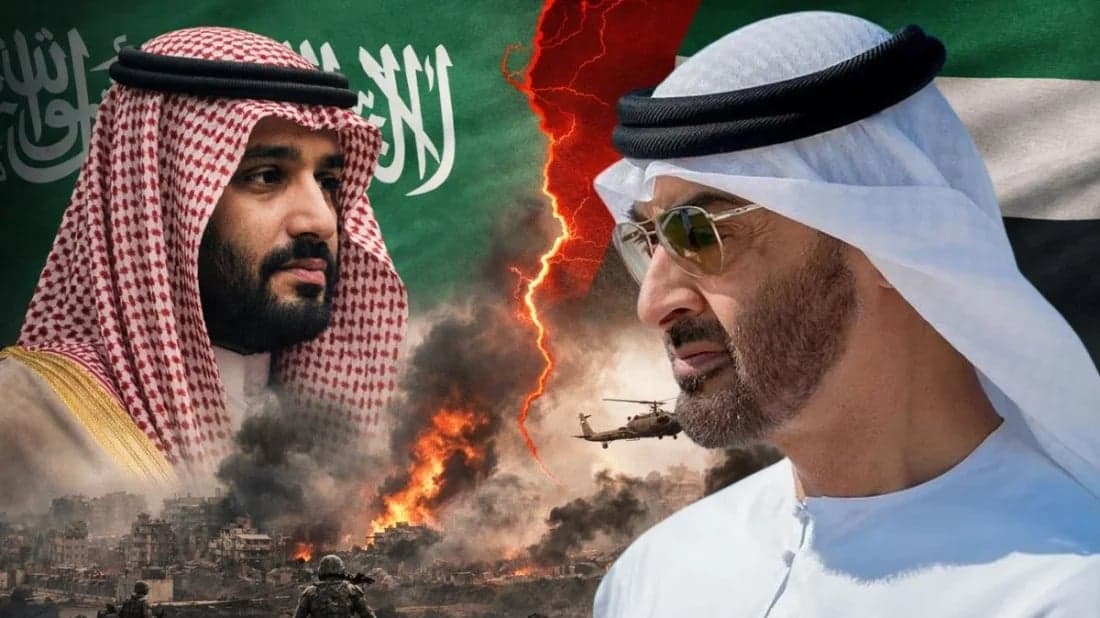

The United Arab Emirates is becoming active again in an effort to halt the Houthi rebels' advance in Yemen. Abu Dhabi has agreed to resume funding anti-Houthi forces in the country's south.
In return, Saudi Arabia has pledged to provide air support for these forces' military operations. The information was reported by the British outlet The Guardian, citing sources familiar with the matter.
After a long-running disagreement between Saudi Arabia and the UAE over Yemen, the understanding is being seen as a significant shift in relations between the two countries. The Houthis' recent advances, along with drone and missile attacks on Saudi territory, have heightened concern over Gulf security. Against this backdrop, Riyadh and Abu Dhabi both feel the need to rebuild the anti-Houthi military force.
Among southern Yemen's government-aligned forces, the Giants Brigade is one of the most important. Its members have previously received training and financial support from the UAE. Although it is known as an effective force against the Houthis, the Emirates withdrew its military presence from Yemen and halted funding last January. The new understanding could see that support restored.
However, political differences among the anti-Houthi factions remain a major obstacle. The Southern Transitional Council (STC), a southern separatist group, has been demanding a referendum on independence. Its goal is to restore the borders of South Yemen as they existed from 1967 to 1990. For this reason, the group has not allowed its forces to fight beyond the borders of the historical south. This restriction could be eased if Saudi Arabia takes a positive position on the referendum, it is believed.
Meanwhile, Yemen's internationally recognized government announced last week a counteroffensive to retake the capital, Sanaa, which is under Houthi control. But operations near Marib, in Mazjar, and in areas adjoining the Bab el-Mandeb Strait have not yet achieved significant success. The lack of direct contact between Saudi officials and STC leader Aidarous al-Zubaidi has also complicated the path to a political settlement.
Al-Zubaidi fled to Abu Dhabi last January after a bid to seize power in southern Yemen and hold an independence referendum within two years failed. In response, Saudi Arabia bombed a shipment of weapons sent by the UAE. The Emirates subsequently announced an end to all its activities in Yemen. The Saudi-backed Yemeni government, for its part, moved to try al-Zubaidi on charges of treason.
Despite heavy losses, the Houthis continue trying to capture the cities of Taiz and Marib, which lie outside the borders of South Yemen, raising fears that the conflict could widen further. At the same time, Egyptian President Abdel Fattah el-Sisi has said he will call an emergency session of parliament to take necessary steps for Saudi Arabia's defense. He said Egypt does not wish to take aggressive action, but will act if needed to protect Saudi Arabia's security.
Leave A Comment