
US and China take different paths on AI regulation, two superpowers face off
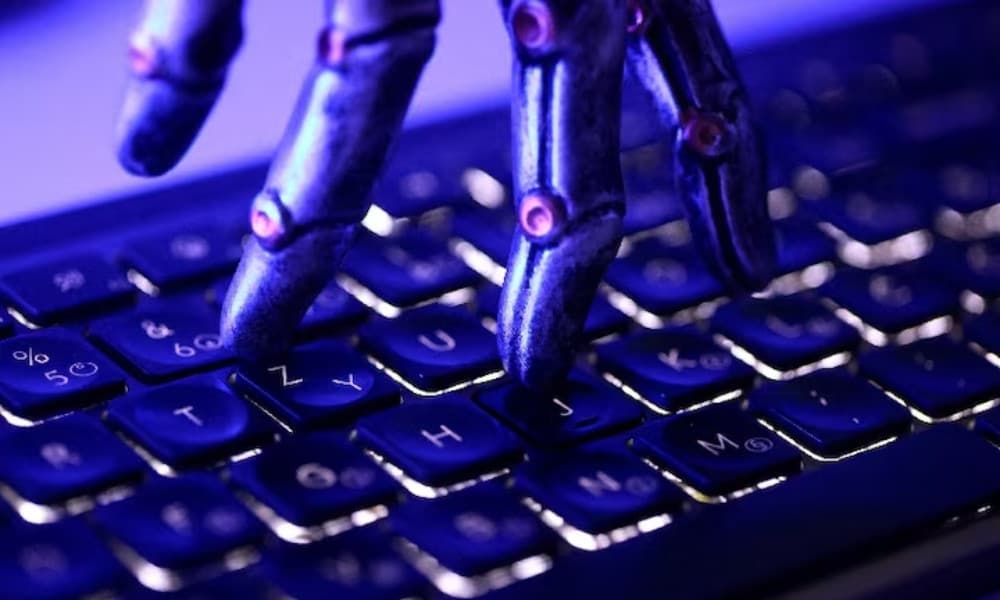

Warnings that artificial intelligence (AI) could move beyond human control and create major risks have brought the question of safety and regulation of the technology back into discussion. After a recent warning by US AI research organisation Anthropic, the matter has also gained importance in China. However, clear differences are emerging in the strategies of the United States and China in tackling the risks.
According to a Reuters report, bilateral talks between the United States and China on AI policy and security are scheduled for later this month. A section of Washington's policymakers views advanced AI as a potential threat to humanity's existence. On the other hand, Beijing's position is that AI risks can be controlled through technical standards, legal frameworks, safety testing and government oversight.
China has already moved forward in creating policies and standards on the safety of autonomous AI agents. In May, China's Cyberspace Administration, the National Development and Reform Commission and the Ministry of Industry and Information Technology published guidelines for the safe and orderly use of AI agents. Safety and control were emphasised as core principles.
At the same time, China has launched national standards for interoperability and safe operations of AI agents. The seven-part standard includes matters such as determining the identity of AI agents, identifying capabilities, interoperability and the use of external technology or tools. More than 70 institutions, universities and research organisations participated in drafting it.
However, AI models developed by China are not entirely risk-free either. Reuters reported that some models created by Chinese AI companies have also demonstrated the ability to bypass safety measures. In particular, how to manage autonomous AI systems if they go out of control has now become an important security question for China's policymakers as well.
While some Western countries are calling for slowing the development of advanced AI, China is emphasising the rapid use of AI in various sectors of the economy and industry. However, the country has also set precedents for limiting the release or use of new AI technology if regulatory systems are not ready. As a result, the competition between Washington and Beijing is no longer limited to developing advanced AI; the question of how safe and controllable the technology can be kept has also become an important part of the rivalry between the two superpowers.
Leave A Comment