
US approves World’s Ffrst mRNA flu vaccine
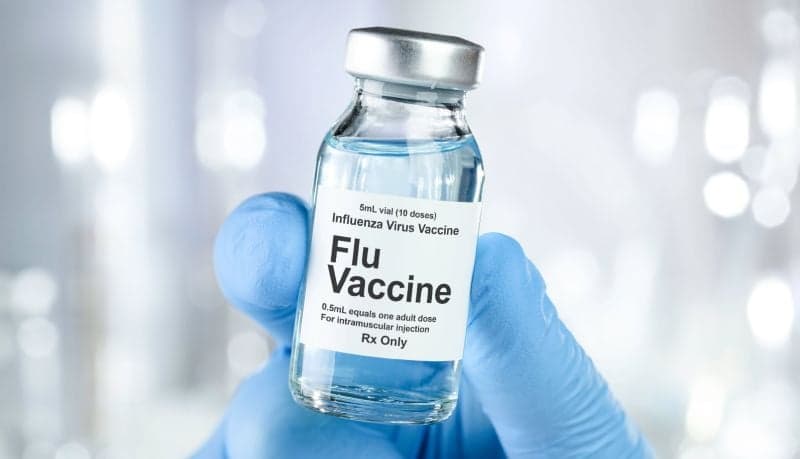

The US Food and Drug Administration (FDA) has approved Moderna’s mRNA-based influenza vaccine, marking the world’s first regulatory approval for an mRNA vaccine designed to prevent seasonal flu.
The vaccine, named mFluVax, was approved on Wednesday (August 5) for adults aged 50 to 64, while the FDA has also granted an accelerated approval for people aged 65 and older. For the older age group, Moderna must conduct an additional clinical trial to provide further evidence of the vaccine’s effectiveness.
The vaccine uses messenger RNA, or mRNA, technology that became widely known through COVID-19 vaccines. The technology delivers genetic instructions to cells, enabling the body to produce an immune response against targeted viral proteins.
A Phase 3 trial involving around 41,000 participants found the vaccine was approximately 26.5% more effective than a conventional flu vaccine, according to the data cited by Moderna. Researchers said the mRNA vaccine generated stronger antibody responses and showed potential against multiple influenza strains.
Moderna said it plans to make the vaccine available to eligible people in the United States during the 2026–27 flu season.
One of the technology’s potential advantages is manufacturing speed. Moderna says mRNA vaccines can be produced considerably faster than conventional flu vaccines, with a new formulation potentially ready within two to three months after the dominant seasonal strains have been identified.
The development could be particularly significant for older adults, who face a higher risk of severe complications from influenza and other respiratory infections. Influenza and pneumonia can become serious and potentially life-threatening as people age.
Researchers hope the new vaccine could help reduce the burden of influenza-related respiratory illness among older adults, including severe infections and hospitalisations.
The approval also represents another major step in the expansion of mRNA technology beyond COVID-19, as researchers explore its potential for developing vaccines against a broader range of infectious diseases.
Leave A Comment