
US Senate backs 100% tariff threat on India, China over Russian energy imports
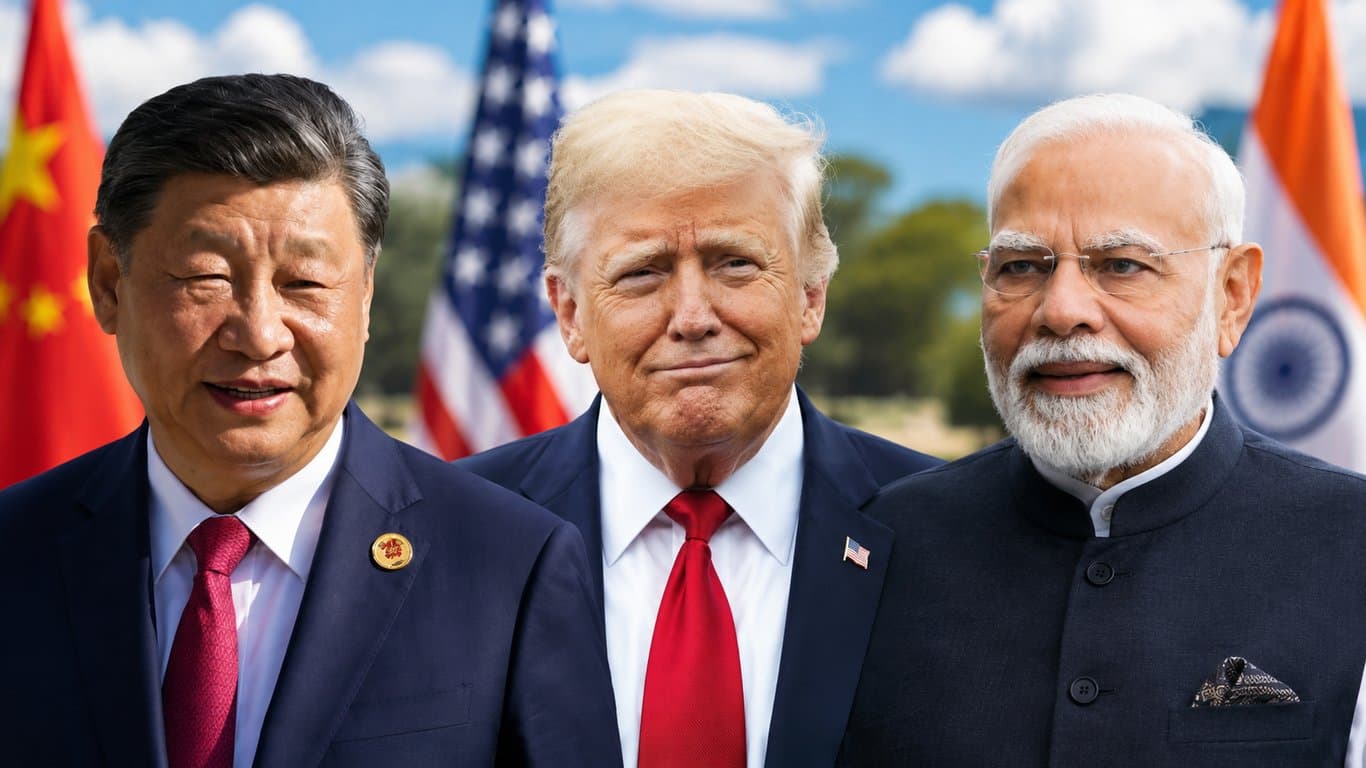

The US Senate has overwhelmingly passed legislation that could pave the way for tariffs of up to 100 per cent on goods from India, China and three other major buyers of Russian oil and gas, escalating Washington’s economic pressure on countries accused of helping finance Moscow’s war in Ukraine.
The Lindsey O. Graham Sanctioning Russia and Iran Act of 2026 passed the Senate by an 86-11 vote on Friday (August 7).
The legislation is named after Republican Senator Lindsey Graham, a close ally of President Donald Trump and one of the bill’s principal sponsors. Following Graham’s death on July 11, the measure was renamed and reintroduced in amended form.
Under the bill, the president would have the authority to impose tariffs of up to 100 per cent on goods from the five largest importers of Russian oil and gas. It would also allow tariffs of as much as 500 per cent on goods imported directly from Russia.
The measure includes potential exemptions for countries that source less than 15 percent of their natural gas from Russia and are taking significant steps to reduce that dependence.
The proposed tariffs are aimed at countries that continue to purchase large volumes of Russian energy while Moscow’s war in Ukraine continues. India and China, among the largest buyers of Russian energy, would face particular exposure if the legislation becomes law.
The bill also proposes sanctions against Russian President Vladimir Putin, senior government officials, wealthy business figures and financial institutions. At President Trump’s request, it includes expanded sanctions targeting Iran’s arms and energy sectors. The president would, however, retain authority to waive sanctions on national-interest grounds.
Before the vote, Republican Senator Rand Paul proposed an amendment seeking to remove the tariff provisions, but the effort failed. Democratic Senator Richard Blumenthal described the legislation as a tribute to the late Graham, while some lawmakers warned that giving the president broad tariff powers could produce unintended economic and geopolitical consequences.
The legislation now moves to the House of Representatives. However, the House is currently in a five-week recess, meaning consideration is not expected before September.
If the House approves the bill, it would be sent to the president for signature. It would become law only after being signed by Trump.
Analysts said, if enacted, the legislation could put significant pressure on India and China, whose continued purchases of Russian oil and gas have made them key customers for Moscow amid Western sanctions. Other countries that remain heavily dependent on Russian energy could also face higher tariffs under the proposed framework.
Leave A Comment