
US Supreme Court rejects Trump’s move to end birthright citizenship
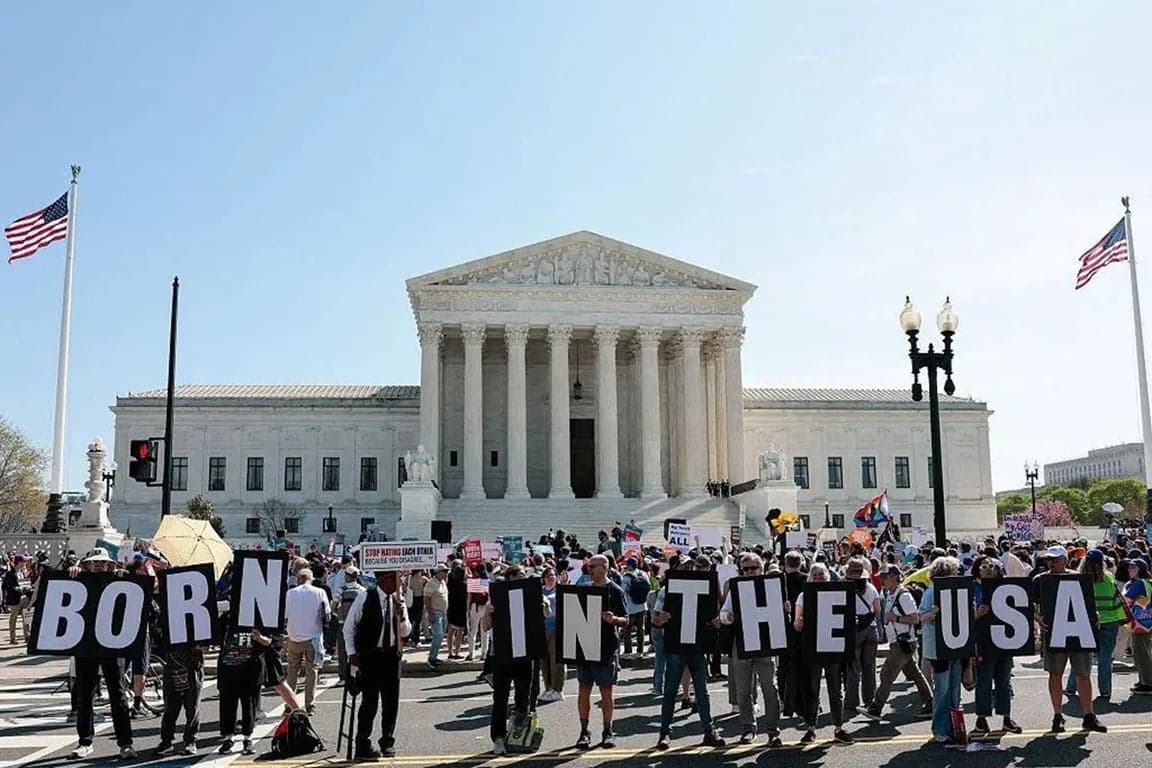

The US Supreme Court has dealt a major blow to President Donald Trump’s initiative to end birthright citizenship.
The court effectively neutralized Trump's executive order, which had sought to limit the long-established right to automatic citizenship for children born in the United States on Tuesday (June 30). This move to alter the policy of birthright citizenship—which has been in place for over a century—was a key part of the Trump administration's political agenda. However, reports from CNN indicate that the order faced intense skepticism regarding its constitutional validity from the very beginning.
At the start of his second term, Trump issued an executive order aimed at stripping automatic citizenship rights from certain children born on US soil. The administration argued that the current system was being abused and that strict changes to immigration policy were necessary.
However, immigrant rights activists, legal experts, and several states challenged the order in court. They argued that birthright citizenship is a protected right under the 14th Amendment of the US Constitution, which cannot be altered simply by a presidential executive order.
The Supreme Court’s decision is seen as a major legal setback for the Trump administration's immigration agenda.
Birthright citizenship is a long-standing US policy under which almost any child born within the country's territory automatically gains citizenship. The United States is one of the primary examples globally of a country practicing this policy.
According to analysts, this ruling sends a significant message not just regarding immigration policy, but also concerning the boundaries of presidential executive power, especially as the Trump administration attempts to implement major policy shifts through executive orders in multiple areas.
Nevertheless, political debate surrounding birthright citizenship has long persisted in the US. Conservatives believe the current system creates vulnerabilities in border and immigration enforcement. On the other hand, critics argue that limiting this right would fundamentally alter a core principle of the US constitutional framework. Following the Supreme Court's decision, the existing framework guaranteeing citizenship for millions born in the US remains intact.
Leave A Comment