

US–Iran trade strikes after helicopter downed in Strait of Hormuz
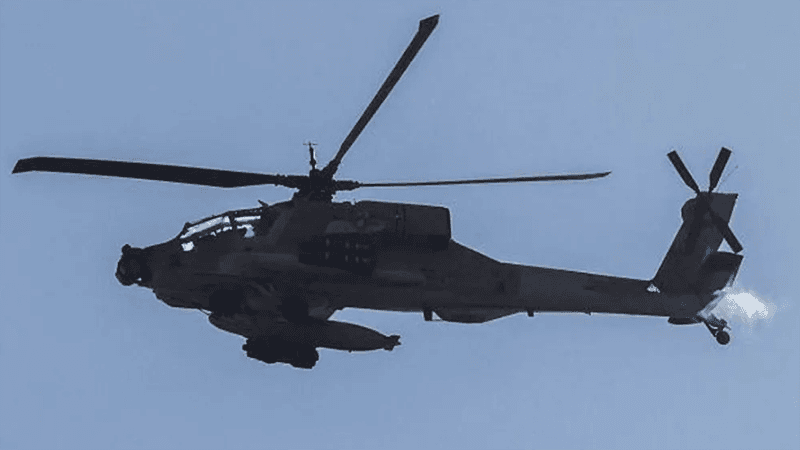

Military tensions between the United States and Iran have escalated sharply after an American Apache helicopter was shot down over the Strait of Hormuz, triggering a round of retaliatory strikes from both sides that marks one of the most direct military confrontations between the two countries in recent years.
US Central Command (CENTCOM) confirmed it had launched airstrikes against Iranian air defence systems, ground control stations, and surveillance radar installations near the strait — describing the operation as a "proportionate response" to the helicopter incident.
The strikes targeted areas around the Iranian port cities of Jask and Sirik, as well as Qeshm Island in the Persian Gulf, where Iran said a telecommunications tower and two water tanks were damaged.
"Two pilots are safe and uninjured. The United States must and will respond to this attack," US President Donald Trump said via Truth Social.
Iran's Islamic Revolutionary Guard Corps (IRGC) swiftly condemned the US strikes as "hostile and vile" and launched a counteroffensive, firing drones and ballistic missiles at what it said were 21 targets across US military installations in Bahrain and Jordan.
However, the IRGC did not claim responsibility for downing the Apache.
The sequence of events began on Monday when the helicopter, on routine patrol over the Strait of Hormuz, was downed under disputed circumstances. CENTCOM attributed the incident to an Iranian drone strike. However, an unnamed US official told CBS News that it remained unclear whether the Iranian drone had intentionally targeted the aircraft. Iran's semi-official Mehr News Agency separately reported that Tehran had not claimed the downing.
Both crew members survived and were recovered using a US maritime drone — the first publicly confirmed use of such an asset in a combat rescue operation, according to CENTCOM.
President Trump, posting on his Truth Social platform Tuesday, confirmed the pilots were safe and warned that a US response was unavoidable. He noted the helicopter had been conducting patrol operations over the strait at the time of the incident.
The Strait of Hormuz — through which roughly a fifth of the world's oil supply transits — had effectively been closed to commercial shipping in late February, just days after the United States launched its first strikes on Iran earlier this year, sending energy markets into renewed volatility.
The incident underscores the volatility of the Hormuz corridor, where US and Iranian forces have operated in close proximity for months. Both governments have stopped short of formal declarations of war, but Monday's events suggest the risk of miscalculation is rising with each exchange.
Source: BBC
Leave A Comment
You need login first to leave a comment