

World Blood Donor Day
Voluntary blood donation: Save lives, benefit you too
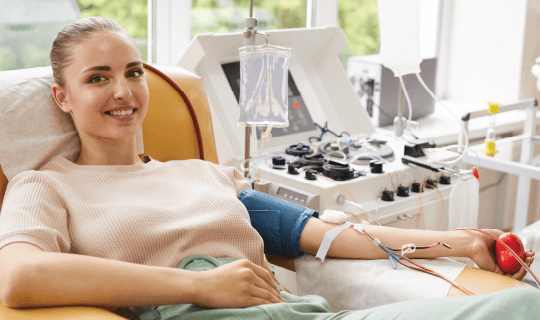

Every drop of donated blood carries the potential to save a life. From accident victims and surgical patients to mothers facing childbirth complications and individuals battling cancer or thalassemia, thousands rely on timely blood transfusions every day. As the world observes World Blood Donor Day on June 14, health experts are once again highlighting the life-saving importance of voluntary blood donation—not only for recipients, but also for donors themselves.
Blood donation is widely regarded as one of the simplest yet most impactful acts of humanity. While many people donate solely to help others, medical experts say regular voluntary blood donation can also offer several physical and psychological benefits to healthy individuals.
Helps Maintain Healthy Iron Levels
Excess iron accumulation in the body can increase the risk of various health complications, including heart and liver diseases. Regular blood donation helps regulate iron levels, reducing the likelihood of iron overload and supporting the body's natural balance.
May Support Heart Health
Several studies suggest that maintaining balanced blood viscosity through periodic blood donation may contribute to healthier blood circulation. Although blood donation is not a treatment for cardiovascular disease, it can be a positive component of an overall healthy lifestyle and may help lower certain heart-related risks.
Stimulates New Blood Cell Production
After donating blood, the body immediately begins replenishing the lost volume by producing new blood cells. This natural regeneration process keeps bone marrow active and supports the continuous production of healthy red blood cells.
Provides Basic Health Screening
Before donation, volunteers typically undergo routine health checks, including blood pressure, body weight and haemoglobin level assessments. These screenings can offer valuable insights into a donor’s overall health and may help identify potential health concerns at an early stage.
Boosts Mental Well-Being
One of the most rewarding aspects of blood donation is the sense of fulfilment it brings. Knowing that a single donation may save multiple lives often creates a strong feeling of personal satisfaction, while also promoting empathy, social responsibility and emotional well-being.
Strengthens Community Solidarity
Voluntary blood donation fosters a culture of compassion and mutual support. Regular donors often inspire others to participate, helping build stronger community networks and ensuring a more reliable supply of safe blood for those in need.
Important Precautions Before Donating
Health professionals advise that only healthy individuals who meet eligibility requirements should donate blood. Donors should ensure adequate rest, stay hydrated and eat a balanced meal before donation. Following medical guidelines helps ensure the safety of both donors and recipients.
Dispelling Common Misconceptions
A common myth surrounding blood donation is that it causes long-term weakness or health problems. Medical experts, however, emphasize that healthy individuals can safely donate blood at recommended intervals without adverse effects. The body naturally replenishes lost blood components and resumes normal functioning within a short period.
A Small Act That Makes a Big Difference
As demand for safe blood continues to grow, health advocates stress the importance of expanding the pool of voluntary donors. A single donation can mean the difference between life and death for someone in critical need.
On this World Blood Donor Day, experts are urging healthy and eligible individuals to step forward and donate blood regularly, reminding the public that one simple act of generosity can offer someone else a second chance at life.
Leave A Comment