
We need to enhance protection to prevent AIDS
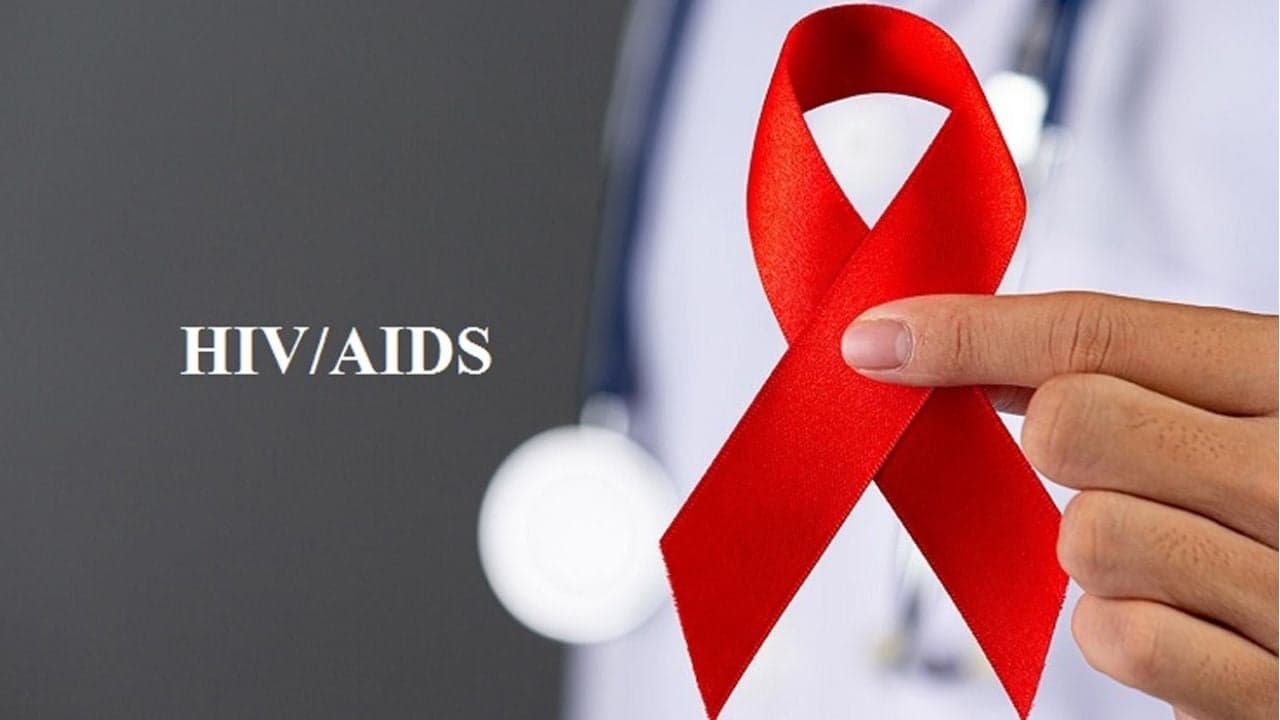

HIV is a virus that undermines the body's immune system, making it vulnerable to diseases. Alongside, it renders the human body defenseless against bacterial infections. The hopeful aspect is that despite being infected with AIDS due to the development of modern medicine and healthcare facilities worldwide, the mortality rate has significantly decreased. Now, with timely treatment, it is possible to live longer even if infected with AIDS. In Bangladesh, the number of AIDS patients is still relatively low, accounting for less than 0.1 percent of the total population. However, it has been reported by the United Nations' HIV/AIDS agency, UNAIDS, that despite the relatively low prevalence in terms of the population, the number of people affected by AIDS is increasing steadily, which is concerning for the country.
In the country, there is still reluctance among people to get tested for AIDS and seek treatment, although such services are provided by the government free of cost. Research indicates that of those diagnosed with AIDS, at least 84 percent have been brought under government healthcare coverage. Meanwhile, 27 centers for AIDS diagnosis and 11 centers for treatment have been established nationwide. However, there are still some challenges. The question arises as to why the number of AIDS patients in the country continues to rise. Research has shown that despite commendable prevention programs, the spread of HIV is not slowing down. Furthermore, there is a lack of awareness about the disease among the general population.
The first AIDS patient in the country was identified in 1989. Since then, the spread of HIV through injections among sex workers and drug users has been ongoing. Apart from sex workers, the spread of the disease is also occurring through married couples. Additionally, research indicates that the transmission of HIV is increasing through migrant workers and Rohingya refugees. However, in the past five years, there has been a rise in HIV transmission among brides and pregnant women as well. The spread of HIV among women is globally recognized as an alarming epidemic.
According to information published in the media, 232 people have died from AIDS in the country in one year. There has never been such a high number of deaths in any previous year. As a result, a total of 1,820 people in the country have died after being infected with AIDS.
Over the past year, 18 percent of newly infected individuals are migrant workers. Particularly, migrant workers returning from the Middle East and Africa are seen to have a comparatively higher rate of HIV transmission. Usually, migrant workers are required to undergo HIV testing before being sent abroad. Therefore, experts believe that it is essential for their health to undergo health checks when returning to the country from abroad.
In the country, AIDS treatment services are only provided by the government. There is currently no opportunity for non-governmental entities to provide this service. In this regard, experts believe that alongside government services, if services for this disease are also provided by non-governmental means, the results could be even better.
In this situation, the reasons for the gradual increase in HIV infection in the country need to be identified, and initiatives need to be taken to eliminate those causes. Additionally, social movements need to be organized to get rid of it. For this, alongside individual awareness, relevant governmental and non-governmental organizations need to play a significant role.
Leave A Comment
You need login first to leave a comment