

WHO declares international emergency as Ebola outbreak in Congo kills 80
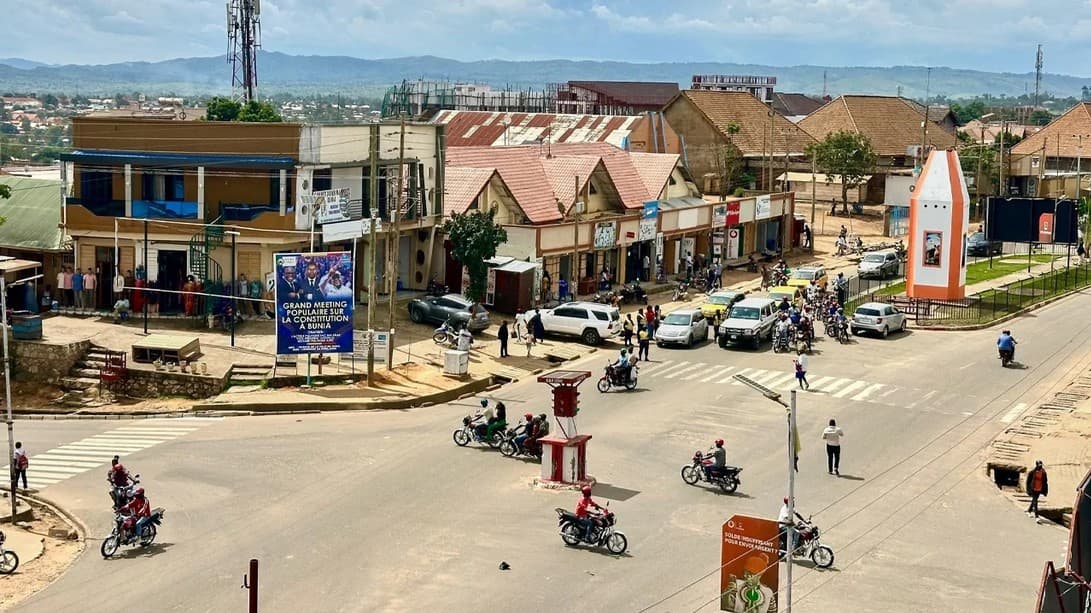

The World Health Organization (WHO) has declared an international public health emergency over the worsening Ebola outbreak in the Democratic Republic of Congo (DR Congo) and neighbouring Uganda, after at least 80 people died in recent weeks amid the rapid spread of the deadly virus.
In a statement issued on Sunday (May 17), the UN health agency said at least 80 deaths linked to Ebola had been recorded in DR Congo over the past month. Authorities also reported that 246 patients showing Ebola-related symptoms are currently being treated at hospitals across the country, with laboratory tests confirming infection in at least eight cases.
Health officials identified the current outbreak strain as the Bundibugyo species of the Ebola virus, scientifically known as Orthoebolavirus zairense.
Six species of Ebola have so far been identified globally — Zaire, Sudan, Bundibugyo, Reston, Taï Forest and Bombali. While the Zaire strain caused the deadliest outbreaks since 2014, the ongoing outbreak in Congo and Uganda has been linked to the Bundibugyo variant.
WHO warned that the outbreak poses a serious regional health threat due to the virus’s high fatality rate and the risk of cross-border transmission.
Ebola primarily affects humans and primates such as chimpanzees, gorillas and orangutans. The virus spreads through direct contact with the blood, saliva, sweat, vomit, urine or other bodily fluids of infected people or animals. It can also be transmitted through contaminated clothing, needles and close physical contact during funeral rituals involving infected bodies.
Fruit bats are considered the natural carriers of the virus, although they do not become sick themselves. Other wild animals including monkeys, antelopes and porcupines can also carry and transmit the virus to humans.
Symptoms of Ebola include sudden high fever, severe weakness, headaches, sore throat, muscle pain, vomiting, diarrhoea and skin rashes. In severe stages, the disease can cause liver and kidney failure followed by internal and external bleeding from the nose, mouth and other parts of the body — a condition that has led Ebola to be widely known as a “haemorrhagic fever.”
Although Ebola does not spread through the air and is considered less contagious than many respiratory viruses, its mortality rate remains extremely high. According to WHO data, Ebola’s average fatality rate stands at around 50 percent, while recent outbreaks in Congo have shown death rates ranging between 40 and 70 per cent.
International concern has also grown after reports confirmed that six American citizens are among the hospitalised patients in Congo. US media outlet CNBC reported on Sunday that at least three of them remain in critical condition, prompting efforts by US authorities to arrange emergency evacuations.
Global health agencies are now intensifying surveillance, containment and emergency response efforts as fears mount over a wider regional spread of the virus.
Leave A Comment
You need login first to leave a comment