
Who should avoid beef?
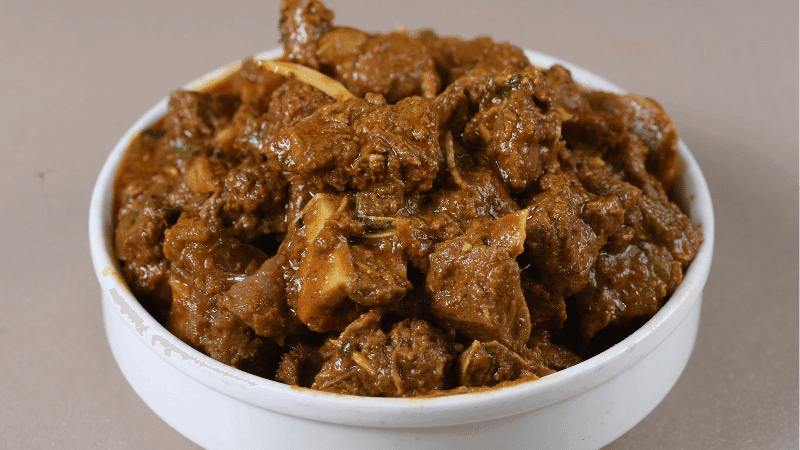

Beef is widely valued for its high protein, iron and vitamin content, making it an important source of nutrition for many people. However, health experts caution that individuals with certain medical conditions should limit or carefully monitor their beef intake, as its fat, cholesterol and protein content can pose additional health risks.
Nutritionists and physicians say beef does not need to be completely eliminated from the diet in most cases. Instead, moderation and healthier cooking methods—such as reducing excess fat and avoiding heavy oil-based preparations—can help minimize potential complications.
Heart Disease and High Cholesterol Patients
People suffering from cardiovascular disease or elevated cholesterol levels, particularly high LDL (“bad”) cholesterol, are advised to restrict their consumption of beef. The saturated fat found in red meat can contribute to plaque buildup in arteries, increasing the risk of heart attacks and strokes.
High Blood Pressure Patients
Regular consumption of fatty red meat may make blood pressure management more challenging. Excess saturated fat can negatively affect cardiovascular health and complicate efforts to keep hypertension under control.
People Living with Diabetes
For individuals with diabetes, excessive beef consumption—especially when prepared with large amounts of oil or fat—may contribute to weight gain and increased insulin resistance. Health professionals recommend balanced portions as part of an overall healthy diet.
Kidney Disease Patients
Because beef is rich in protein, excessive intake can place additional strain on the kidneys. Patients with chronic kidney disease are often advised to limit high-protein foods and follow dietary recommendations provided by their healthcare providers.
Individuals with Digestive Problems
People who frequently experience indigestion, gastric discomfort or acid reflux may find beef more difficult to digest than other protein sources. Heavy or fatty preparations can worsen symptoms and lead to prolonged digestive discomfort.
Those Managing Weight or Obesity
While beef can be part of a balanced diet, consuming it in large quantities may increase calorie intake and hinder weight-management goals. Lean cuts and controlled portions are generally considered healthier options.
Gout and High Uric Acid Patients
Red meat contains purines, compounds that can increase uric acid levels in the body. For people with gout, excessive beef consumption may trigger painful flare-ups and worsen inflammation.
Health experts emphasize that dietary needs vary from person to person. Individuals with chronic medical conditions should consult their physicians or nutritionists to determine the appropriate amount of beef and other red meats in their diet. A balanced eating pattern, combined with portion control and healthy cooking practices, remains key to reducing health risks while maintaining adequate nutrition.
Leave A Comment