
Why fungal infections peak during Monsoon—and how to stay safe
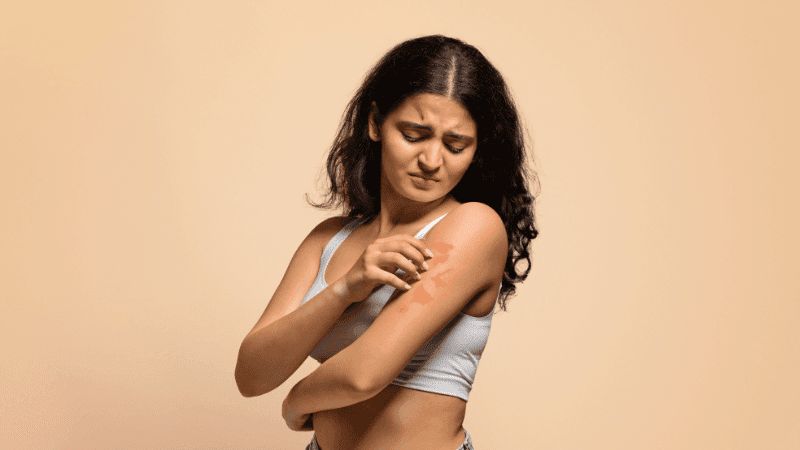

With the arrival of the monsoon, dermatology clinics across the country are witnessing a sharp rise in patients suffering from fungal skin infections. Persistent itching in the groin, armpits or between the toes, along with circular red rashes, are among the most common complaints. However, specialists warn that many patients delay seeking medical care, relying instead on over-the-counter creams that often worsen the condition.
According to dermatologists, the monsoon creates the ideal environment for fungal growth. Warm temperatures, high humidity and prolonged moisture from sweat or rain-soaked clothing allow fungi to thrive, particularly in skin folds such as the groin, armpits, beneath the breasts and between the toes.
One of the most common infections during this season is ringworm (tinea or dermatophytosis), which typically appears as circular red patches with raised borders, small blisters and intense itching. Fungal infections may also affect the scalp, hands, feet and even fingernails.
Health experts caution that ringworm is highly contagious. It can spread through direct skin contact, shared towels, clothing, bed linens or even from infected pets. As a result, one untreated patient can easily transmit the infection to other family members.
Dermatologists identify unsupervised use of steroid-based creams as one of the biggest reasons fungal infections become chronic. While these creams temporarily reduce redness and itching by suppressing inflammation, they do not eliminate the fungus. Instead, they mask the symptoms, allowing the infection to spread silently and making diagnosis and treatment more difficult.
This condition, often referred to by specialists as "steroid-modified fungal infection," can alter the typical appearance of the rash, delay proper treatment and significantly increase the risk of recurrence.
If left untreated, fungal infections may spread to multiple parts of the body, infect the scalp or nails and require prolonged treatment with oral antifungal medication. Specialists stress that early medical consultation is essential, particularly if the infection spreads rapidly, affects children or is accompanied by fever.
Preventing fungal infections largely depends on keeping the skin dry. Doctors recommend changing out of wet clothes immediately after rain, thoroughly drying body folds after bathing, wearing loose cotton clothing instead of tight synthetic fabrics, and avoiding reuse of sweat-soaked garments.
Foot hygiene is equally important during the rainy season. Wet shoes and socks should be dried completely before reuse, socks should be changed daily, and footwear should be alternated whenever possible to prevent moisture buildup.
Experts also advise improving ventilation inside homes by opening windows when weather permits, allowing wardrobes to air out regularly and ensuring clothes, towels and bedding are completely dry before storing them.
Above all, dermatologists urge people not to self-medicate. Because treatment varies depending on the severity and location of the infection, proper diagnosis by a qualified physician remains the safest and most effective approach.
As the rainy season continues, health experts say maintaining dry skin, practicing good hygiene and avoiding indiscriminate use of steroid creams are the most effective ways to prevent recurring fungal infections.
Leave A Comment