
Why millions are turning to Yoga for better health, balanced living?
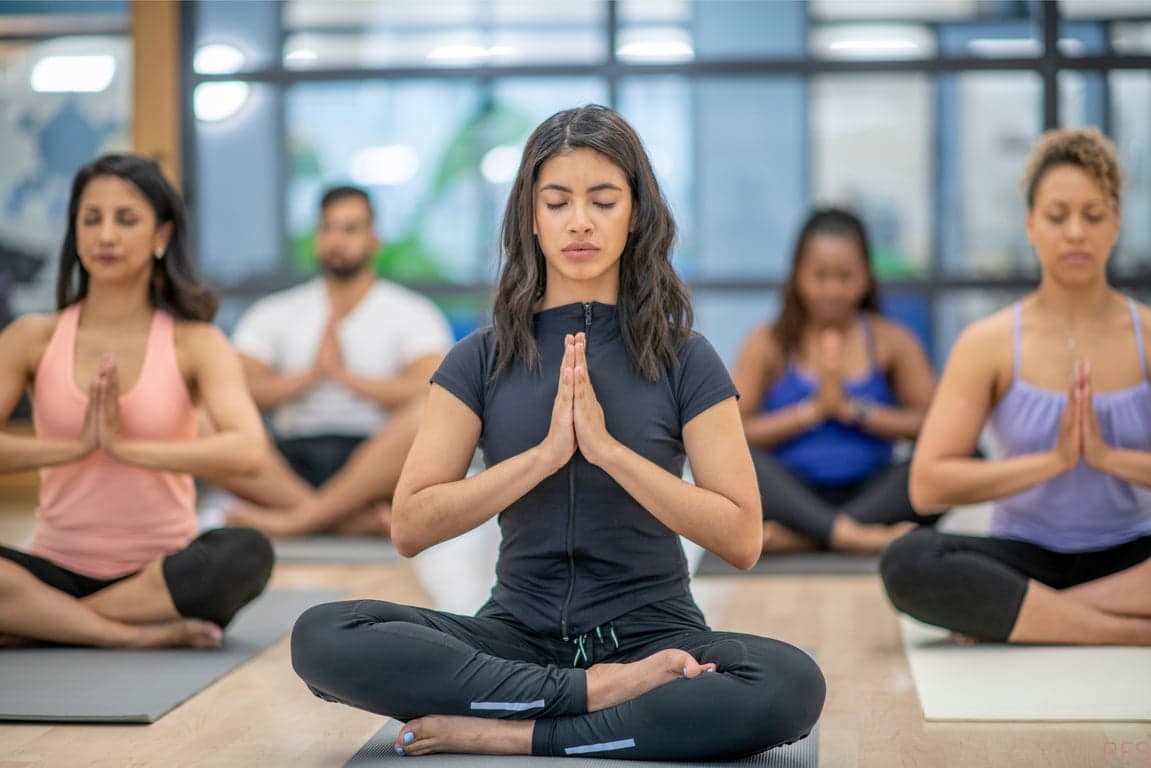

In an age defined by constant pressure, screen dependency and increasingly sedentary lifestyles, maintaining physical and mental well-being has become a growing challenge. Long working hours, irregular routines, stress and lack of physical activity are contributing to a rise in lifestyle-related health issues worldwide. Against this backdrop, yoga continues to emerge as one of the most effective and accessible ways to improve overall health naturally.
More than just a form of exercise, yoga is a holistic practice that combines physical movement, controlled breathing and mindfulness. Its benefits extend beyond fitness, helping individuals develop greater balance, resilience and inner calm.
Regular yoga practice improves flexibility, strengthens muscles and enhances posture. Through a series of carefully designed poses, it helps loosen stiff joints, reduce back and neck pain, and improve overall body mobility. For people who spend long hours sitting at desks, yoga can be particularly beneficial in relieving muscle tension and preventing posture-related discomfort.
The mental health benefits of yoga are equally significant. Breathing exercises and meditation techniques help calm the mind, reduce anxiety and improve emotional stability. Studies have shown that yoga can lower levels of cortisol—the body’s primary stress hormone—making it an effective tool for managing daily stress and promoting mental well-being.
Yoga also plays an important role in supporting cardiovascular health. Consistent practice can help regulate blood pressure, improve circulation and support heart function. Combined with healthy lifestyle habits, it may contribute to reducing the risk of heart disease and other chronic health conditions.
Another key advantage lies in its impact on respiratory health. Breathing-focused practices, known as pranayama, enhance lung capacity and improve oxygen flow throughout the body. These techniques can be especially useful for individuals dealing with respiratory difficulties, helping them develop stronger and more efficient breathing patterns.
Sleep quality is another area where yoga delivers measurable benefits. By promoting relaxation and reducing mental restlessness, yoga helps prepare the body for deeper and more restorative sleep. Gentle stretching and meditation before bedtime can ease tension and improve overall sleep patterns, leaving individuals feeling more refreshed and energized.
Health experts increasingly view yoga as a sustainable lifestyle habit rather than a temporary fitness trend. It requires minimal equipment, can be practiced almost anywhere and is suitable for people of all ages and fitness levels.
As awareness of preventive healthcare continues to grow, yoga remains a powerful reminder that simple daily habits can have a lasting impact on both physical and mental health. In a fast-moving world, it offers a practical way to slow down, reconnect with the body and build a healthier, more balanced life.
Leave A Comment