

WiFi during thunderstorms may increase device risk, experts warn
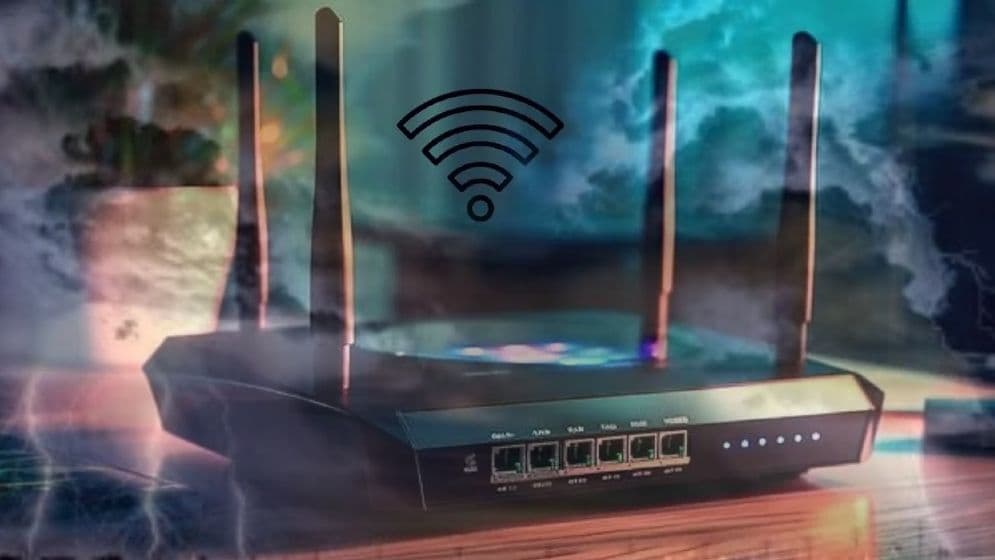

During storms, we usually worry about outdoor safety. But home internet devices, particularly WiFi routers, can also be at risk. Understanding how safe it is to keep WiFi on during thunderstorms or Nor'westers is essential.
Risks involved
Three main risks arise during storms: lightning strikes, voltage fluctuations and sudden power surges.
These surges can enter devices not only through power lines but also through broadband or fibre cables, potentially damaging routers, modems or connected devices.
What can happen if WiFi stays on?
If WiFi remains on during severe storms: the router or modem may burn out; the ONT device may be damaged; connected computers or laptops can be affected; and in rare cases, short circuits may cause fires.
Safe practices
Turning off WiFi during storms is the safest option, especially when: electricity is fluctuating frequently, and the storm intensity is high.
Simply switching off is not enough. To ensure safety: unplug the router and modem; disconnect LAN or fibre cables if possible.
Should it always be turned off?
No. Normal rain or regular weather conditions pose no threat. This precaution is specifically for thunderstorms or severe weather.
Additional protective measures
Extra steps to reduce risk include: using surge protectors; using UPS; using quality routers.
Just as you keep doors and windows closed during storms, the small habit of turning off the WiFi router can protect devices from major damage. Temporary internet disconnection may cause some inconvenience, but avoiding the risk of device damage is the wiser choice.
Leave A Comment
You need login first to leave a comment