

Zero tolerance for border killings, push-ins: BGB-BSF joint statement
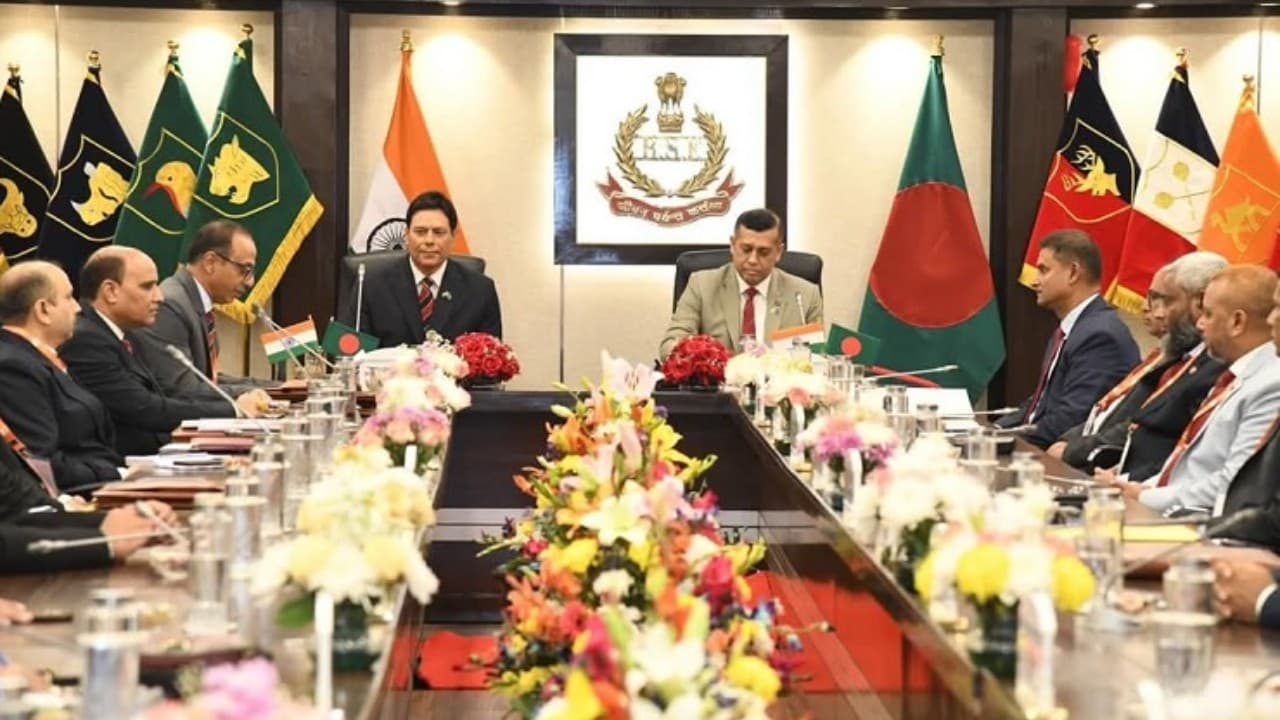

The 57th border conference between the Border Guard Bangladesh (BGB) and India's Border Security Force (BSF) concluded in New Delhi with both sides agreeing to take a zero-tolerance approach to border killings and forcible push-ins, according to a joint statement issued after the six-day talks.
The conference, held from June 8 to June 11, was led by BGB Director General Major General Mohammad Ashrafuzzaman Siddiqui, who headed a 14-member Bangladesh delegation. The Indian side was led by BSF DG Shri Pravin Kumar. Both sides have agreed to hold the next director general-level meeting in Dhaka in November.
The BGB chief expressed deep concern over the killing of unarmed Bangladeshi civilians due to the use of weapons by BSF personnel and Indian nationals, urging effective measures to bring border killings down to zero. Both sides agreed to strengthen border security, increase joint patrols, and take strict legal action against those responsible for cross-border crimes.
Regarding recent push-ins of Rohingya and Myanmar nationals as well as Indian citizens into Bangladesh, the BGB chief noted that such acts violate existing bilateral guidelines and past mutually agreed decisions. He called for an immediate halt to such activities and urged adherence to established repatriation mechanisms for those verified as Bangladeshi citizens. The BSF chief, in turn, called for swift completion of pending nationality verification cases.
On drug smuggling, the BGB raised concerns over the cross-border trafficking of heroin, phensedyl, yaba and other narcotics into Bangladesh, as well as firearms. The BGB proposed regular bilateral meetings between the drug control authorities of both countries. Both sides committed to strengthening coordinated patrols and increasing intelligence sharing.
The BGB chief also expressed concern over the construction of security-related fences and other structures within 150 yards of the zero line without prior approval from Bangladesh authorities. He insisted that any such work requires permission, and future construction should be discussed through diplomatic channels.
Regarding the Rohingya issue, the BGB stated that Bangladesh does not permit Rohingya or Myanmar nationals to use its territory to illegally enter India. Bangladesh hosts them only on humanitarian grounds under strict supervision. Both sides agreed to take preventive measures against human trafficking and ensure timely rescue and rehabilitation of victims.
The BGB chief raised concerns over the possible presence of anti-Bangladesh terrorist groups in India's Mizoram state and sought Indian cooperation. The BSF responded that India follows a zero-tolerance policy against all terrorist groups regardless of nationality and does not permit its territory to be used for such activities.
On river water sharing, the BGB noted that under the 2022 MoU, both countries agreed to withdraw up to 153 cusecs of water each from the Kushiyara River during the dry season. Delays in granting permission for canal excavation have hindered Bangladesh's fair share, and unauthorised single-sided pumping remains a concern. Both sides agreed to resolve water-related issues through the Joint Monitoring Team formed under the MoU.
The BGB also raised concerns over the circulation of false and distorted news and misinformation on social media regarding bilateral issues, which could negatively impact relations. Both sides agreed to instruct their respective media platforms to refrain from spreading propaganda on internal affairs of either country.
Both DGs reaffirmed their commitment to working jointly to maintain peace, stability and security along the Bangladesh-India border.
Leave A Comment