
1.2mn more Bangladeshis at risk of poverty: UNICEF
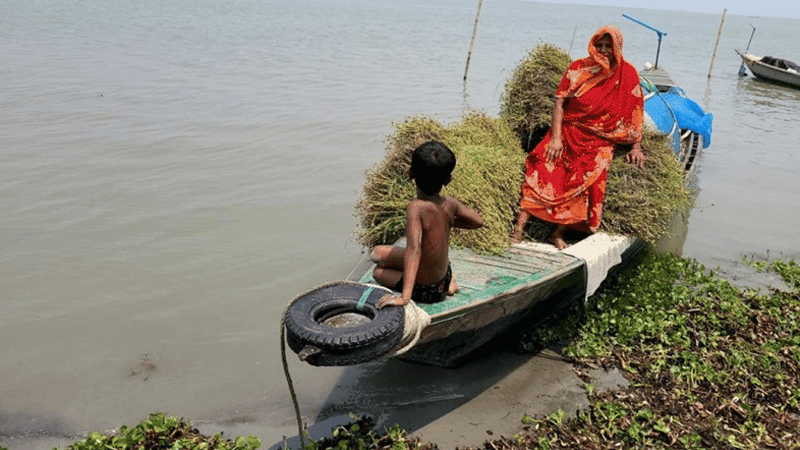

The ongoing conflict in the Middle East could push around 1.2 million more people in Bangladesh below the poverty line, as rising global food and energy prices squeeze household incomes, according to a new UNICEF analysis.
In its report, "The Impact of the War in the Middle East on Children in Monetarily Poor Households," released on Thursday, UNICEF warned that prolonged economic disruptions caused by the conflict could also drive up to 23.4 million additional children worldwide into monetary poverty by the end of the year.
The report, based on data from more than 167 countries, said disruptions to shipping through the Strait of Hormuz are straining global supply chains, driving up the prices of fuel and essential commodities and placing a disproportionate burden on low-income families.
UNICEF Executive Director Catherine Russell said the economic consequences of the conflict extend far beyond the Middle East, with families across the world struggling to cope with rising living costs.
"As the prices of food and other essentials continue to rise, millions of families are finding it increasingly difficult to feed their children and keep them in school. Those already living in poverty are being pushed even deeper into hardship," she said.
The report estimates that under a moderate economic shock, an additional 18.3 million children could fall into poverty globally. If the conflict intensifies and supply chain disruptions worsen, that figure could rise to 23.4 million.
UNICEF identified Asia and Africa as the regions most vulnerable to the economic fallout, noting that nearly 80 percent of the projected increase in poverty would occur there because of existing vulnerabilities and greater exposure to global price shocks.
For Bangladesh, the agency warned that surging prices of staple foods—including rice, lentils, edible oil, vegetables, fish and poultry—have significantly increased living costs for low- and middle-income households, potentially pushing 1.2 million more people into poverty.
The report also highlighted worsening humanitarian conditions in countries such as Somalia, Ethiopia and Nigeria, where rising fuel, food and transport costs are deepening existing crises.
UNICEF urged governments to adopt timely, targeted policy measures to shield vulnerable households, warning that failure to act could reverse years of progress in global poverty reduction and leave millions more children without adequate access to food, healthcare, education and protection.
Leave A Comment