
Bangladesh faces prolonged economic crisis, The Economist warns
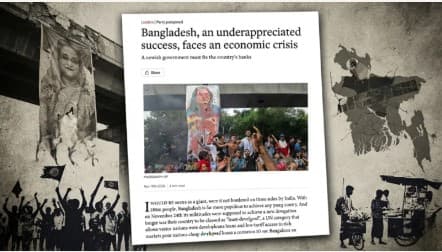

Bangladesh's economy is under mounting pressure from a fragile banking sector, high inflation, low tax revenues, energy shortages and political instability. These challenges have prompted the country to delay its graduation from the least developed country (LDC) category by three years. Without reforms during this extended period, Bangladesh could face prolonged economic risks, the British magazine The Economist has warned.
Bangladesh was originally scheduled to graduate from the LDC category on November 24. However, the country faced the prospect of losing access to low-interest loans and duty-free market privileges in developed economies after graduation, particularly for its garment sector. To address these challenges, Bangladesh sought an extension from the United Nations, which was approved last month. The Economist described the additional time as an important opportunity to overcome the country's structural weaknesses.
The magazine said corruption and institutional weaknesses during the government of former prime minister Sheikh Hasina were among the major causes of the current crisis. During her tenure, allegations emerged that individuals close to the government had siphoned off huge sums of money from the banking sector. As a result, nearly one-third of the sector's total loans are now classified as defaulted or at risk. Hasina has announced plans to return to Bangladesh next December. However, she has been sentenced to death in absentia over the violent crackdown on protesters. The Economist expressed concern that her possible return could fuel further political instability.
International developments have also affected the economy. The war involving Iran has disrupted energy supplies from the Gulf region, hampering factory production and driving up costs. Industrial unrest and strikes have also emerged over demands for higher wages. The report further noted that the new government's efforts to control inflation and tackle corruption have yet to make the expected progress.
Inflation has remained above 8 per cent since mid-2022. Economic growth fell to 3.5 per cent in the 2024-25 fiscal year, down from around 6 per cent previously. Poverty is also rising for the first time in decades. With inflation outpacing wage growth for nearly five years, people's purchasing power has declined. The shortage of quality employment opportunities for educated young people also remains unresolved.
According to The Economist's analysis, Bangladesh is unlikely to face an immediate major crisis in its external payments, as remittances and garment exports are expected to help sustain the economy. However, domestic weaknesses remain a major concern. The country could spend around 3 per cent of its GDP this year on servicing foreign debt, including interest and principal repayments. Meanwhile, with the tax-to-GDP ratio standing at only around 7 per cent, the government is finding it difficult to meet debt obligations while maintaining development and social welfare spending.
The magazine identified banking sector reform as the most urgent priority, including controlling non-performing loans and ensuring good governance in financial institutions. Support from the International Monetary Fund (IMF) could help in this regard. However, the organisation may impose conditions such as reducing subsidies in exchange for assistance, a politically difficult step for the government.
The Economist recommended using the additional three years to expand tax collection, reform the banking sector and strengthen competitiveness. It also suggested pursuing new trade agreements with different countries to mitigate the impact of losing trade privileges after LDC graduation.
The central message of the report is that reducing poverty and the collapse of a long-standing governing system are major achievements for Bangladesh. However, consolidating those gains will require strengthening the economic foundation, expanding employment opportunities and undertaking institutional reforms.
Leave A Comment