

HRW Report
Bangladesh fails to protect women and minorities
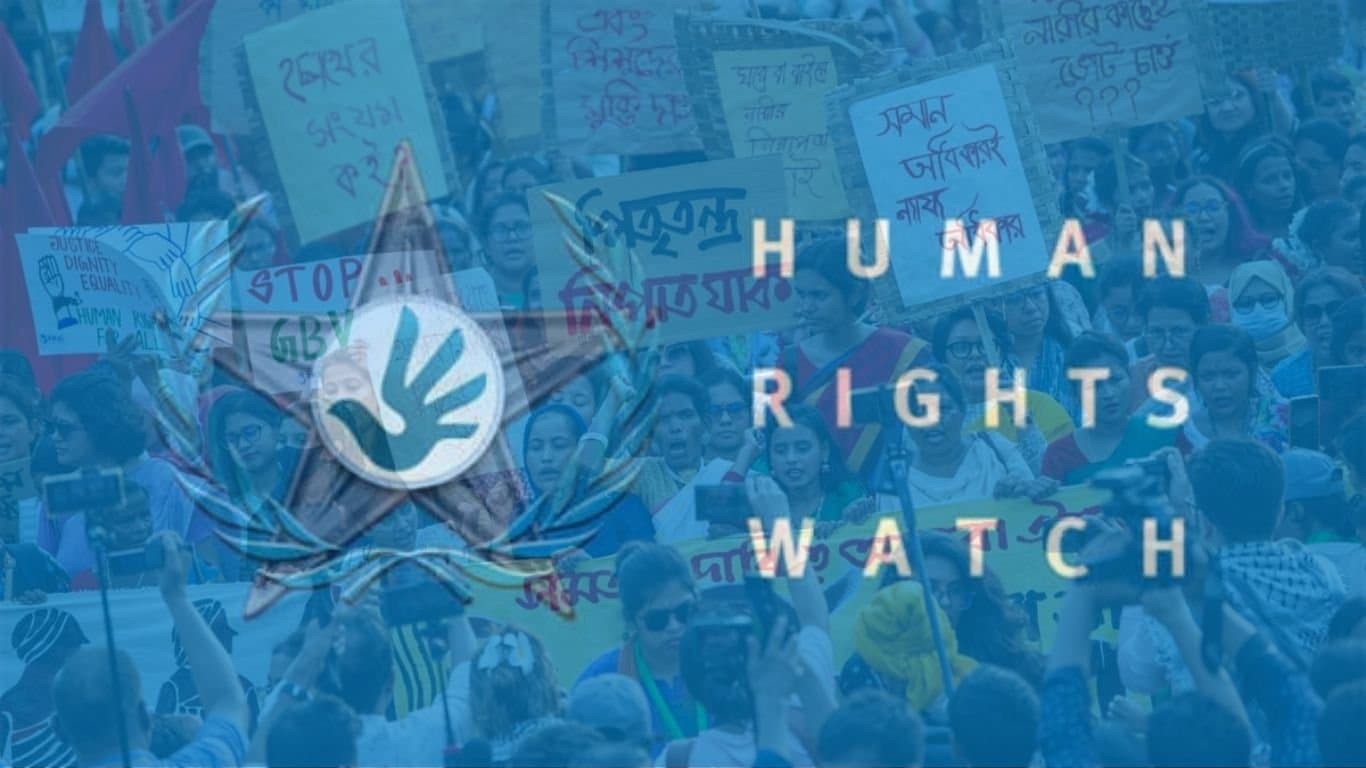

Ahead of the 13th national parliamentary elections, attacks against women, girls, and minority communities in Bangladesh have surged, highlighting the interim government’s failure to safeguard fundamental human rights. Women remain largely sidelined in politics, with 30 out of 51 political parties fielding no female candidates in the upcoming elections.
The findings were published Wednesday in a report by international human rights organization Human Rights Watch (HRW), authored by Shubhajit Saha, Senior Coordinator of HRW’s Women’s Rights Division.
According to the report, incidents of gender-based violence between January and June 2025 increased compared to the same period in 2024. Dr. Fauzia Moslem, President of Bangladesh Mahila Parishad, said some religiously motivated groups actively restrict women’s mobility and participation in society, contributing to the rise in violence.
In May 2025, extremist religious groups protested against the interim government’s gender equality initiatives, labeling them “anti-Islamic” and demanding their halt. Since then, women and girls have faced verbal, physical, and digital harassment, creating an atmosphere of fear.
The report also highlighted a December incident in which 27-year-old garment worker Dipu Chandra Das was beaten to death by a mob over allegations of religious defamation. Despite strong participation by women in the July–August 2024 movements, they remain underrepresented in politics. Notably, Jamaat-e-Islami, one of the country’s major parties, has no female candidates among its 276 nominees.
HRW urged the Bangladesh government to implement the recommendations of the National Women’s Reform Commission, particularly measures to increase women’s representation in parliament. The report also called for adherence to the UN Security Council’s “Women, Peace and Security” agenda and emphasized state accountability.
Furthermore, HRW stressed that under the Bangladesh Constitution, the government is responsible for protecting religious and ethnic minorities—a responsibility that has long been established.
Leave A Comment
You need login first to leave a comment