
Bangladesh’s public debt ratio lower than those of India, Pakistan and Sri Lanka
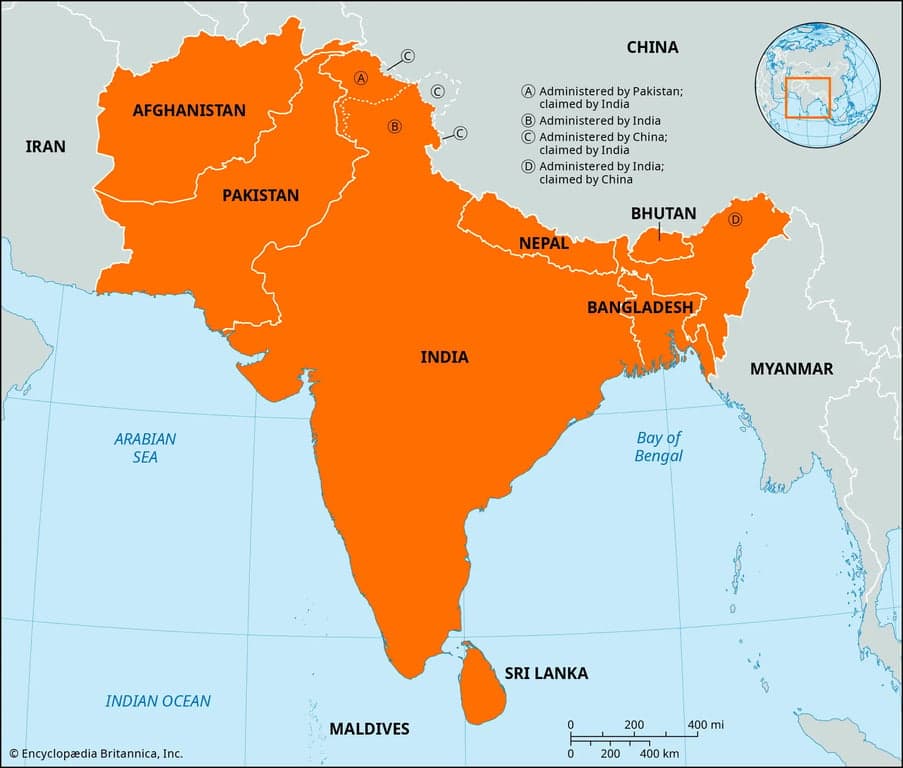

Bangladesh’s public debt as a share of gross domestic product (GDP) is significantly lower than that of most South Asian countries. According to 2026 estimates based on data from the International Monetary Fund (IMF), Bangladesh’s public debt is projected to stand at around 40 per cent of GDP. By comparison, the debt ratios of India, Pakistan, Sri Lanka, the Maldives and Bhutan are considerably higher.
The available estimates suggest that India’s public debt could reach around 83 per cent of GDP in 2026, compared with 70 per cent in Pakistan, 95 per cent in Sri Lanka, 131 per cent in the Maldives and 116 per cent in Bhutan. Nepal’s ratio is projected to stand at approximately 49.36 per cent.
On this basis, Bangladesh’s public debt-to-GDP ratio is less than half that of India. Its ratio is also substantially lower than those of Pakistan and Sri Lanka. In the Maldives and Bhutan, meanwhile, public debt could exceed the value of their annual economic output.
The gap between Bangladesh and its regional neighbours suggests that the country has a comparatively more manageable public debt position relative to the size of its economy. Amid global economic uncertainty and growing development spending needs, maintaining a relatively low debt-to-GDP ratio remains an important consideration for fiscal management.
Economists say a lower public debt ratio can give governments greater policy flexibility to increase spending on education, healthcare, infrastructure and other development priorities. However, making the most of this advantage requires sustainable borrowing policies, more efficient public spending and the productive use of borrowed funds.
To maintain its comparative position, Bangladesh needs to strengthen revenue collection, ensure the effectiveness of public expenditure and expand productive investment. It is equally important to secure adequate economic and social returns from new borrowing while keeping interest and principal repayment obligations under control.
South Asian economies are grappling with inflation, global economic uncertainty and mounting development needs. In this environment, Bangladesh must maintain prudent debt management while ensuring that its limited resources are used effectively.
Leave A Comment