
Connectivity alone not enough, quality internet crucial: BTRC
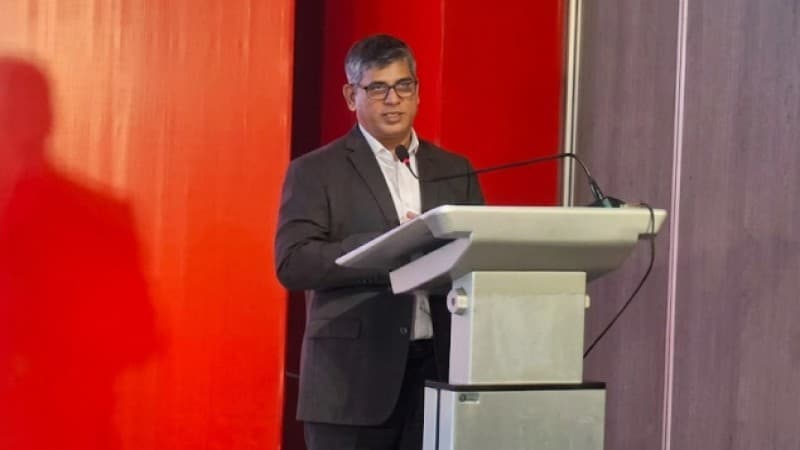

Bangladesh Telecommunication Regulatory Commission (BTRC) Chairman Major General (retd) Md Emdad Ul Bari has said that simply having internet connectivity does not bridge the digital divide. The lack of quality internet is now creating a major digital gap. The concept of the digital divide is changing with the times, he said, emphasising the need to ensure quality and effective internet access for all.
The BTRC chairman made these remarks as a special guest at an event titled "Powering the Future: Robi Completes Dhaka Modernisation" in Tejgaon, Dhaka, on Wednesday, August 19.
The BTRC chairman said the telecommunications sector's journey began with the goal of supporting inclusive development. At that time, the primary goal was to ensure connectivity for everyone. However, as the importance of connectivity grew, new types of disparities emerged, which later came to be identified as the digital divide.
He said that, once lack of connectivity was considered the digital divide. Later, it became clear that mere connectivity was not enough; access to the internet was also necessary. Then it became clear that having internet was not enough either; its quality also had to be good. People deprived of quality internet access fall further behind in the race for development, he added. In this context, he praised Robi's initiative to emphasise network quality in bridging the digital divide.
Commending Robi's activities, Emdad Ul Bari said that as a regulator, analysing revenue patterns shows that Robi maintains a healthy balance between voice and data revenue. At the same time, the company's data revenue is also growing steadily.
He said that improving network quality only in Dhaka is not enough; the benefits must reach people across the country. He also stressed the need to inform the public about the changes in network quality and the benefits users are receiving from them.
The BTRC chairman said people would not realise the benefits of an improved network overnight; it would take time to perceive the change. However, the process could be accelerated by creating awareness. This task is not only the responsibility of the regulator; mobile operators must also play an active role.
Referring to the target of shutting down 2G networks by 2029, Emdad Ul Bari said setting a target was easy, but implementation was complex. Nearly half the country's population still uses feature phones. To shut down 2G, it is crucial to ensure smartphones or data-enabled handsets reach people's hands.
Alongside network modernisation, the BTRC chairman emphasised updating the regulatory framework for the age of artificial intelligence (AI). He noted opportunities to effectively utilise AI in areas such as optimal resource utilisation, demand forecasting and network management.
He said operators would be consulted on what types of regulations are needed to increase network efficiency and where incentives could be provided alongside regulation. The BTRC is ready to cooperate on this matter and will evaluate proposals, he added.
The event was attended by Posts, Telecommunications and Information Technology and Science and Technology Minister Fakir Mahbub Anam as chief guest, and the Prime Minister's Adviser for Posts and Telecommunications Rehan Asif Asad as special guest. Robi Axiata PLC Chief Executive Officer and Managing Director Ziad Shatara and Chief Corporate and Regulatory Officer Shahed Alam were also present.
Leave A Comment