

Cultural figures call for budget reform, list 10 key demands for cultural sector
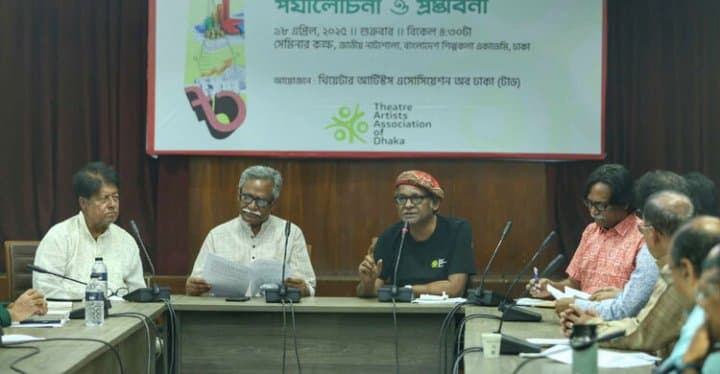

At a seminar titled “Budget Review and Proposals in the Cultural Sector” held at the National Theatre of Bangladesh Shilpakala Academy, cultural activists and experts called for a greater share of the national budget for the cultural sector.
Organised by the Theatre Artists Association of Dhaka, the event proposed allocating at least 1% of the national budget to culture. “The budget reflects the state’s philosophical outlook,” said Taufiqul Islam Emon in the concept paper.
During the seminar ten key demands were proposed to strengthen Bangladesh's cultural sector. These include the creation of digital archives and virtual exhibitions, financial support for district and upazila-level cultural organizations, and the establishment of research labs for folk and ethnic cultures. The demands also call for modernizing institutions like Bangla Academy, Shishu Academy, and Shilpakala Academy, recruiting skilled manpower, and establishing training centers. Additionally, proposals were made for introducing pension schemes and social security for artists, establishing cultural centers abroad to promote cultural exchange, increasing grants to artists and organizations, incorporating the cultural sector into the revenue budget, and providing necessary funds for equipment maintenance and organizing cultural events.
Chief guest economist Dr Anu Mohammad said, “Farmers, workers, and cultural workers are the foundation of society, yet they are excluded from policy decisions.” He also stressed the need for creative infrastructure at the grassroots level.
Sujit Mustafa called for 4% of the budget for culture, better pay for artists, and institutional recognition. “This is an investment in the nation’s identity,” he said.
Tariq Anam Khan added, “Theater funding reflects how much we value art in society.” Mamunur Rashid called for transparency in budgeting and salary grants for theater groups, noting that, “Stage drama is an educational tool, not just entertainment.”
Mamunur Rashid emphasized, “Stage drama is not only entertainment, but also an important educational medium, and more effective policies are needed for its development.
President Azad Abul Kalam concluded, “This seminar helped clarify our demands to ensure proper use of cultural budget allocations.”
Leave A Comment
You need login first to leave a comment