

Despite being silent to save lives, personal attacks continues: Mahfuz Alam
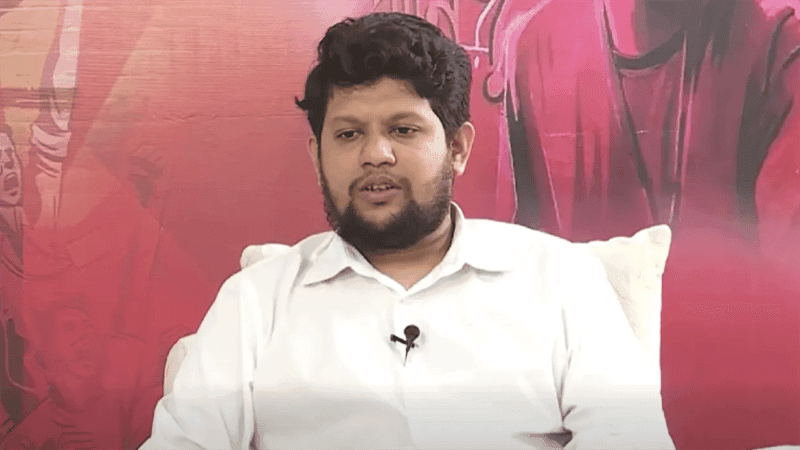

Former Information and Broadcasting Adviser Mahfuz Alam has said he was politically sidelined within the interim government due to ideological differences, adding that while he remained silent to protect his life and dignity, personal attacks against him have not stopped.
In a lengthy social media post titled “All blame on Mahfuz Alam: A narrative” published on Thursday (June 11), he addressed ongoing criticism, political attacks and recent controversies surrounding him.
Mahfuz Alam referred to the interim administration as an “internalised government” and claimed that he was cornered within the system due to ideological opposition.
He questioned why he alone was being held responsible for issues during his tenure at the Ministry of Information and Broadcasting, while others who served before and after him were not being subjected to similar scrutiny.
“If I am responsible for nine months in office, why are those who served before and after me exempt?” he wrote, adding that he had been labelled a “traitor” despite what he described as his commitment to the role.
The former adviser also spoke about ideological divisions, saying he has not supported what he described as “fascist anti-July narratives” linked to Shahbag politics. He claimed that efforts to counter such narratives had contributed to him being targeted.
Mahfuz said he had previously called for all political forces aligned with the July movement to avoid personal attacks and focus on policy and ideological debate instead.
He alleged that a significant portion of the criticism against him came from groups he described as “July-aligned forces,” including activists from the Bangladesh Jamaat-e-Islami and it's students wing Bangladesh Islami Chhatra Shibir, the Natopnal Citizen Party (NCP) and hardline right-wing factions.
Referring to his silence in recent months, he said he refrained from speaking publicly due to pressure and marginalisation within the government, despite continuing personal attacks.
He further alleged that online groups and activists had engaged in sustained defamation campaigns against him, including calls for his execution and symbolic acts of violence, which he said had crossed acceptable limits of political discourse.
Mahfuz concluded by urging an end to personal attacks and hate speech, calling for a shift towards policy-based and ideological debate to help build a better Bangladesh.
Leave A Comment