

Devotees allege police obstruction at shrine urs near High Court
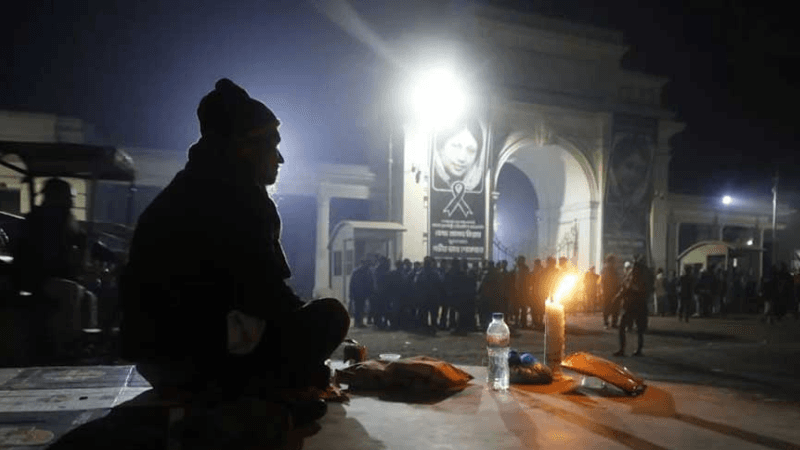

Devotees have alleged that police obstructed the annual urs programme at the shrine of Shah Khaja Sharafuddin Chishti near the High Court in Dhaka. Police, however, said access to the shrine area was restricted in the evening for security reasons after the day’s programme ended.
According to devotees, the three-day urs was scheduled to begin on Friday. Followers, faqirs and devotees from Dhaka and other parts of the country gathered at the shrine premises after evening prayers. They alleged that police later forced them out of the main shrine area.
Some devotees claimed they were not even allowed to light candles in keeping with tradition before leaving.
A devotee named Mahathero Mohammad streamed a live video on social media from the shrine premises in the evening, showing several people alleging that they were prevented from entering the shrine. Many expressed anger over the incident.
Ramna Division deputy commissioner of Dhaka Metropolitan Police Masud Alam said an annual programme was held at the shrine and tabarruk was distributed in the afternoon. He said although the programme was supposed to end by evening, some people continued to remain there.
He added that along with devotees, cannabis users and homeless individuals often gather in the area. As the Supreme Court zone is a sensitive area, there are standing instructions from judges not to allow unauthorised entry after evening hours, and police were following those directives.
At around 8:30pm, Shahbagh police station officer-in-charge Moniruzzaman said the urs ended without any trouble, but some faqirs and beggars remained on the premises. He added that some people were shouting after failing to receive food.
According to popular belief, Shah Khaja Sharafuddin Chishti came to Dhaka during the reign of Mughal emperor Akbar to preach Islam, although detailed historical records of his life are limited.
The shrine compound still contains a four-sided Mughal-era architectural structure. It is also widely believed that Mughal subedar Islam Khan was initially buried in the area after his death in 1613, before his remains were later transferred to Fatehpur Sikri and reburied beside Sheikh Salim Chishti.
Leave A Comment
You need login first to leave a comment