
Economy, governance falter as 19 of 31 indicators worsen in govt's first six months: CPD

Country’s economy and governance have failed to show the expected turnaround during the first six months of the BNP-led government, with 19 of 31 key indicators deteriorating despite progress in 12 areas, including remittances and foreign exchange reserves, the Centre for Policy Dialogue (CPD) said on Monday (August 24).
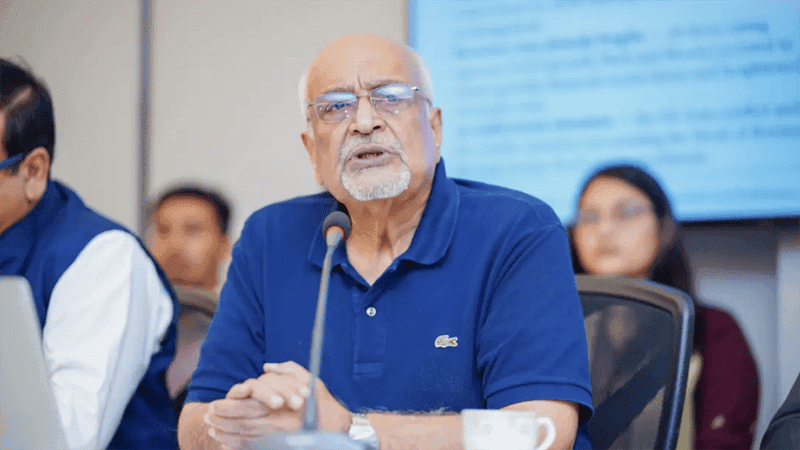
The assessment was presented by CPD Distinguished Fellow Dr Debapriya Bhattacharya at a media dialogue titled “Six Months of the Government: A Performance Review” in Dhaka.
According to the CPD analysis, the economy has yet to recover at the pace expected after the government completed its first 180 days in office. GDP growth has continued to weaken, falling below 3 per cent, while revenue collection has faced a substantial shortfall.
The think tank also pointed to prolonged gas and power shortages in the industrial sector, which it said have discouraged new investment. Challenges inherited by the government—including high inflation, liquidity pressures, banking sector distress and market instability—also remain largely unresolved.
“The public had two major expectations from the new government: that the economy would recover and that good governance would be established. After six months, neither has produced reassuring progress,” Debapriya said.
He said the government inherited a fragile economy marked by a shortage of funds, a troubled banking sector, non-performing loans, capital flight and a revenue deficit. However, he argued that the pace of economic recovery has fallen short of expectations.
On governance, Debapriya said the government had pledged to curb corruption, extortion, land grabbing, syndicates and mob violence, but the reality remained different.
He criticised the appointment of politically affiliated individuals to senior positions despite commitments to merit-based recruitment. He also said mob violence continued despite the government’s “zero tolerance” stance, while attacks on women, children and minority communities had not been met with an adequate visible response.
Debapriya further raised concerns over weaknesses in laws aimed at addressing enforced disappearances and protecting human rights, particularly provisions that could create conflicts of interest by involving alleged violators in investigations.
He said the government had not prepared a comprehensive document detailing the economic and administrative crises it inherited. As a result, although officials frequently refer to the challenges they faced, there is a lack of consolidated data to substantiate the claims.
The CPD fellow, however, acknowledged several government initiatives positively, including the decision by lawmakers not to take official cars and plots, the swift trial of the Ramisa murder case, the use of AI in traffic management and an increase in the tax-free income threshold in the national budget.
Debapriya stressed that reviving the economy would require more than isolated or short-term measures, calling for coordinated, long-term reforms across economic and governance sectors.
Leave A Comment