
Writings
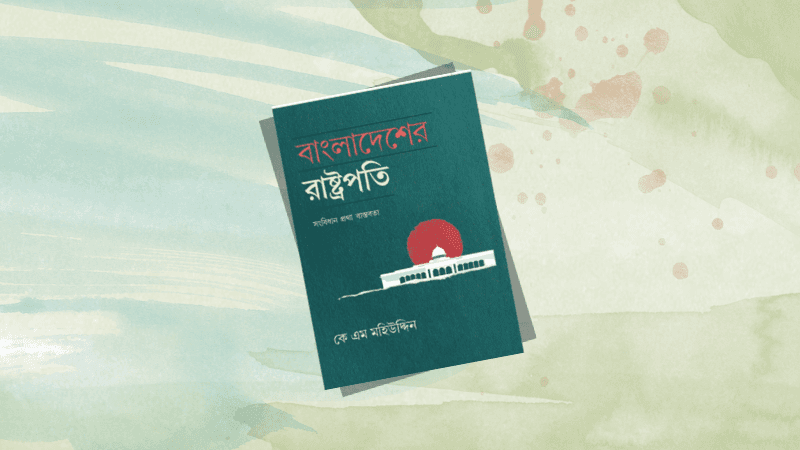
Exploring the presidency beyond the constitution
The office of the President in Bangladesh has long been surrounded by a paradox. While the President is the country's highest constitutional office-holder, the parliamentary system significantly limits the office's executive authority. It is this intriguing contradiction that K. M. Mohiuddin explores in The President of Bangladesh: Constitution, Convention and Reality.
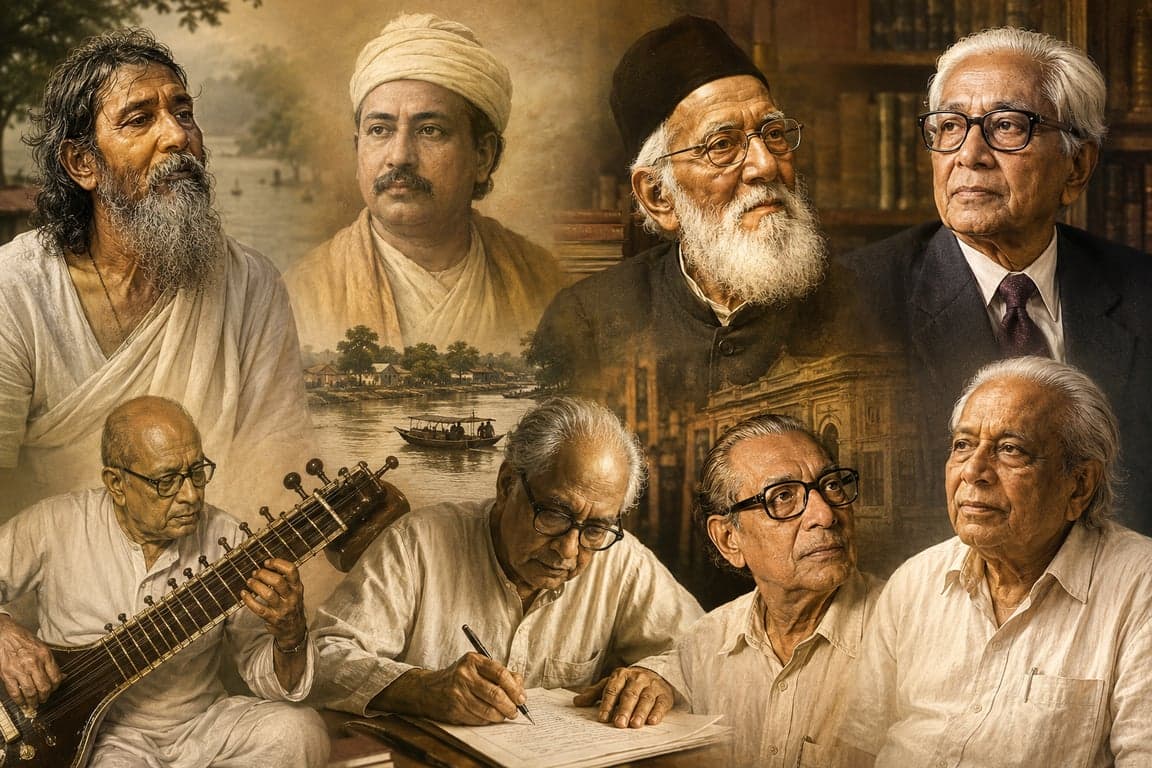
Centenarian luminary
"All who are born must die; who has ever lived forever?" These immortal lines by the great Bengali poet Michael Madhusudan Dutt remain an eternal reminder of the inevitability of death. Although we all know that human beings are mortal, we often choose to forget this fundamental truth. This is precisely why Yudhishthira's famous observation in the Mahabharata remains profoundly relevant:
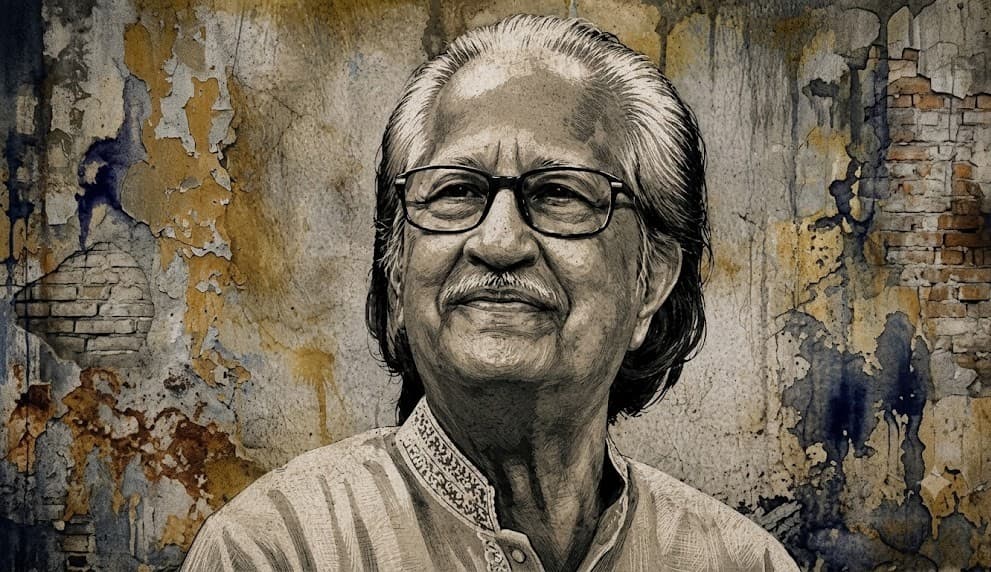
In memoriam: Enlightened Mustafa Monwar
Mustafa Monwar's impact on modernizing and popularizing puppetry in Bangladesh is indisputable. He recognized that puppetry serves as an excellent medium for fostering children's imagination and providing moral education. The puppet shows he designed and orchestrated were not merely forms of entertainment; they were inventive lessons in human values, patriotism, aesthetics, and education. Even now, numerous individuals in Bangladesh recall his puppet characters fondly from their childhood, illustrating that an artist does not solely create art; he also cultivates a realm of human emotions.
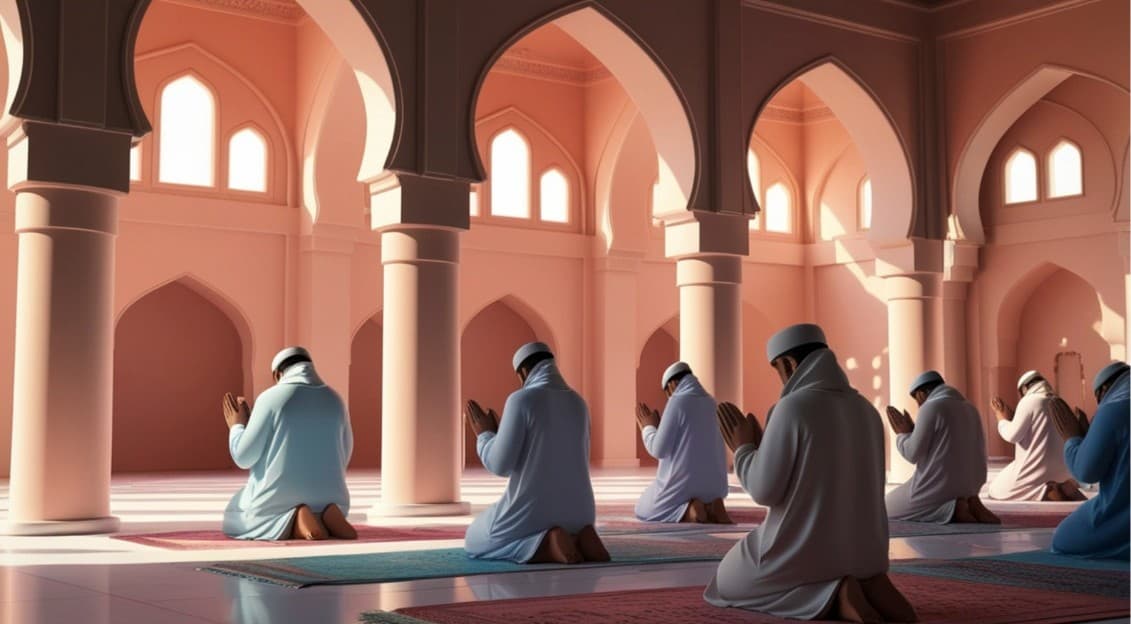
Eid and spirituality
From external festivals to inner awakening, while Eid is a significant religious celebration in Islam, it transcends mere external joy, feasting, or social gatherings. The true essence of Eid resides in its spiritual teachings, which cleanse the human heart, awaken moral values, and strengthen the bond with Allah; thus establishing an enduring joy of introspection within the mind of the saint or individual. The two Eids in Islam, Eid-ul-Fitr and Eid-ul-Azha—though differing in context—share a common objective: self-restraint, surrender, and self-realization. Eid-ul-Fitr represents a spiritual reward attained following the external and spiritual endeavors of the month of Ramadan. Ramadan instructs individuals to exercise control over hunger, thirst, and desires. By refraining from permissible things even during daylight hours, individuals come to understand that they can align their will with the will of Allah. This self-discipline fosters qualities such as patience, compassion, and gratitude within the human heart.
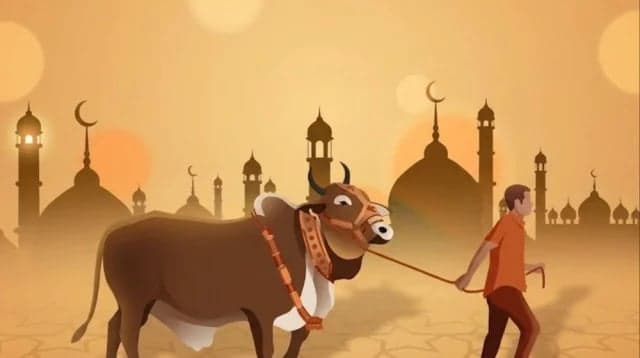
Teaching of Qurbani: A message of self-purification, sacrifice and social harmony
Eid-ul-Azha is among the most significant religious celebrations of the Muslim Ummah. The focal point of this festival is Qurbani, which transcends mere animal slaughter; it serves as a profound symbol of self-sacrifice, self-purification, and reverence for Allah. The essence of Qurbani lies in relinquishing greed, envy, pride, and self-centeredness, thereby awakening human values.

Colorful Eid celebrations in the days of black and white TV
Our childhood years were indeed uncomplicated yet filled with joy. At that time, there were not many forms of entertainment media available. The only options were Betar and Bangladesh Television (BTV). The television sets were black and white, with screen sizes of 14 inches, 17 inches, and 20 inches. I did not encounter a larger TV set in anyone's home during that period. However, despite watching TV programs in black and white, the experiences were quite vibrant. In the era I am discussing, particularly regarding Eid celebrations on television, there were no color TVs, VCRs, HD TVs, computers, DVDs, or YouTube. There was solely one channel, BTV. Most villages had not yet received electricity. Nevertheless, in our time, Raozan village in Chattogram had electricity. As far as I recall, we began watching TV in 1980. BTV's broadcasts likely commenced in the afternoon and concluded at midnight. The programming began with the national anthem and ended with the national flag and anthem being displayed.
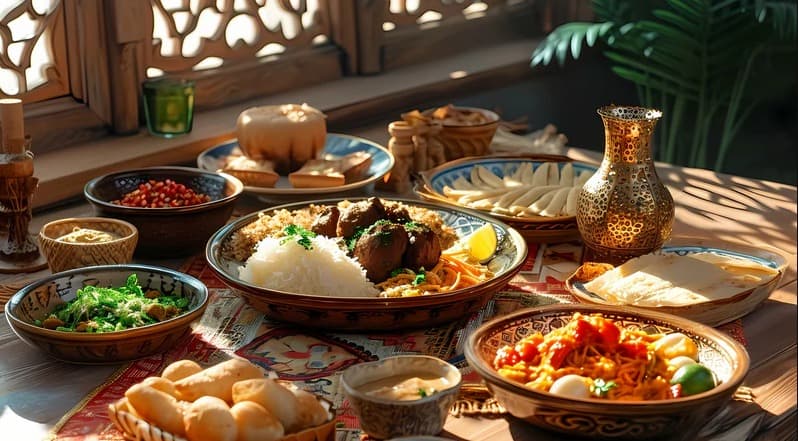
From hand-cut semai to Arabian kunafa, the evolution of Bengali Eid food
The morning of Eid brings with it a delightful fragrance that fills the air. New garments, the scent of perfume, and families gathering to share meals and drinks, along with visits to neighbors and relatives, characterize the Bengali Eid.
Unknown tale of Biju
Upon consulting dictionaries of Bengali, Hindi, and English, one encounters the term Chakma. Recent assertions by historical linguists indicate that all contemporary languages, totaling around 6000, have emerged through a gradual process of fragmentation from a singular, original great language. Consequently, we have adhered to the guidelines of the 'Bengali Glossary' to ascertain the meanings of the terms Bishu, Biju, Phul, Mool, and Gajyepajye.
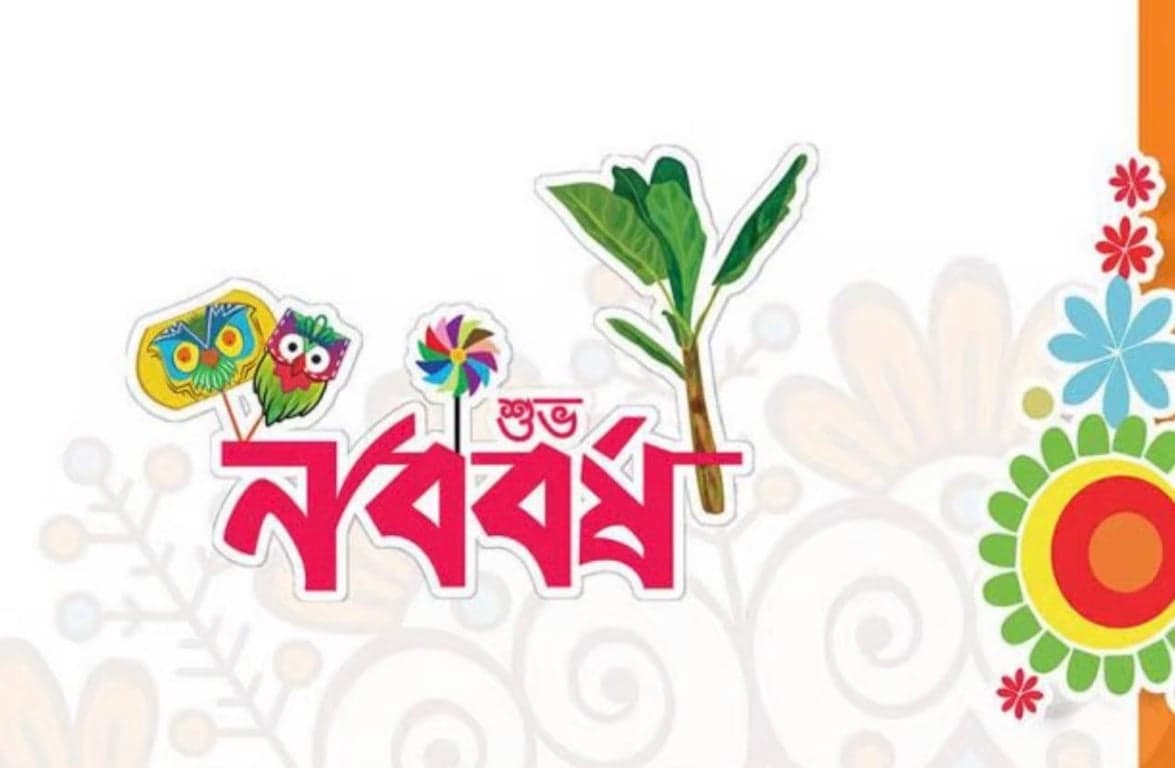
Pahela Baishakh: From origins to global spread of modernity
Throughout history, a nation's identity is expressed through the vibrancy of its festivals. For the Bengali people, this vibrancy is epitomized by 'Pahela Baishakh'. From its roots in an agricultural society to the complexities of contemporary global life, this festival has experienced significant transformations.
Pahela Baishakh: Dialectical formation of Bengali identity
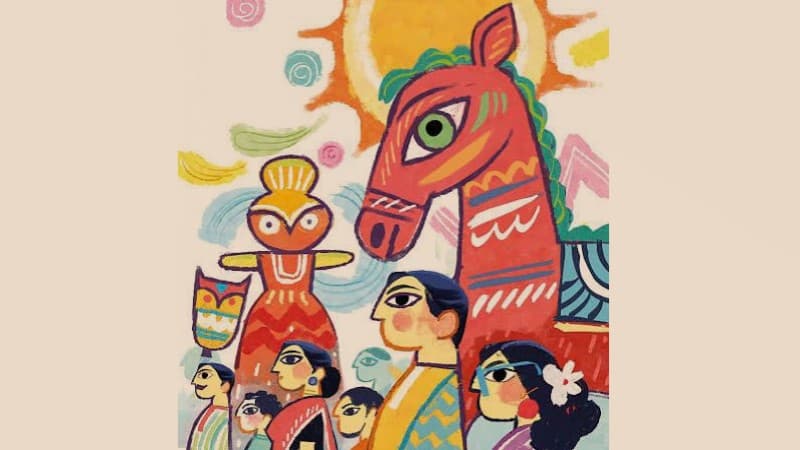
When individuals participate in a procession, carrying clay dolls or softly singing, "Eso, he boishakh, eso eso..." (inviting the summer), a pertinent question arises: is this celebration a festival of the Bengali people, or is it an imposition of Hindu culture upon the 'Muslims'? The latter assertion is quite significant. This inquiry is fundamentally altered with the onset of Baishakh. Its core lies in the comprehension of identity, culture, religion, and history. Pahela Boishakh stands as the most prominent socio-cultural festival in Bangladesh. This festival, which is rooted in the illusion of capitalism, is now celebrated in every household of the proletariat within the freedom of society. It has been intertwined with the cultural elements generated by the social order of transformation. This amalgamation is now irreversible. Even the philosophies of Marx or Hegel would falter in this context. Nevertheless, the discourse surrounding this festival persists. The crux of the debate: it is regarded as the timeless cultural manifestation of Bengalis, while conversely, it is viewed as a contemporary political construct, with a specific religious group rejecting and opposing it as an encroachment of foreign culture. It is impossible for all members of the nation to be entirely acquainted with one another. However, despite our differences, our journey and struggles are unified. Just as we feel joy when a Bengali receives an accolade thousands of miles away, we also experience sorrow when a Bengali perishes in a conflict in the Middle East. What accounts for this phenomenon? We have cultivated certain humanly conceived entities within ourselves, which fosters our attraction to one another.