
Environmental contradiction: The moral hypocrisy of COP31
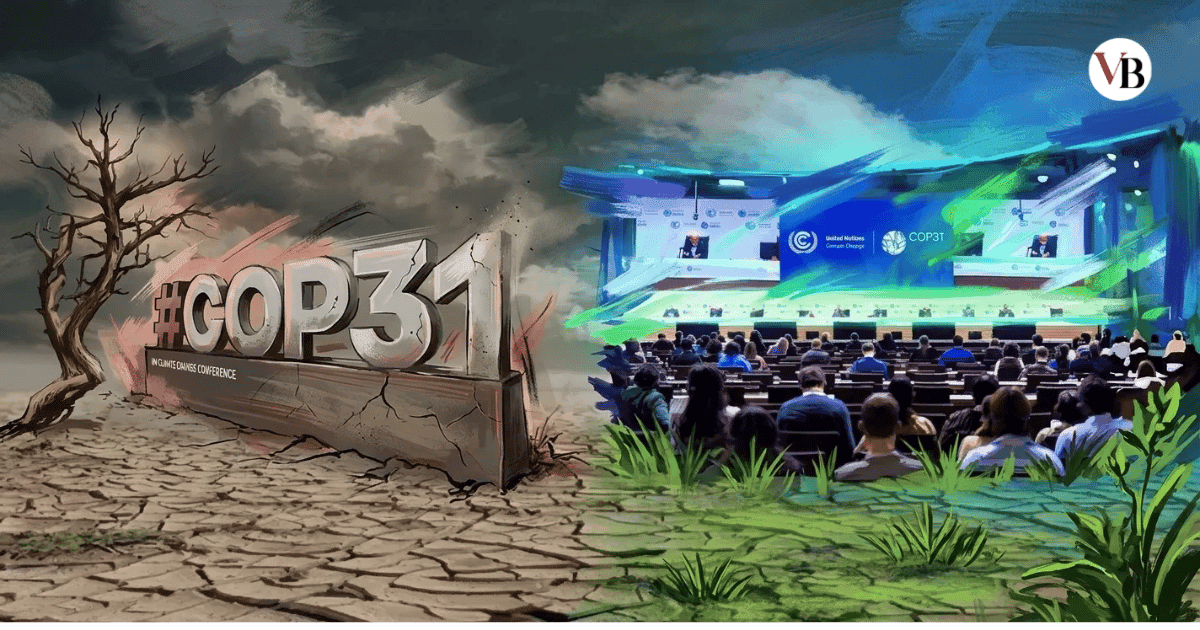

Every year, the United Nations organises climate conferences in different parts of the world with the noble aim of saving the planet. Tackling the devastating effects of climate change, global warming, reducing carbon emissions, protecting forests and ensuring a habitable planet for future generations are among the central themes of these gatherings. The objectives are undoubtedly noble, and the intentions appear commendable. But one question remains: are the actions of those who gather to lecture the world on environmental protection truly consistent with the principles they advocate?
The question has become even more pressing in the wake of COP31, held in Antalya, Türkiye, from 9 to 22 November 2026. According to the figures cited, around 92,000 people from different countries attended the conference. Commercial flights were among the principal means of transport for most participants. If each attendee travelled an average of around 10,000 kilometres by air, the total journey distance would amount to approximately 920 million passenger-kilometres.
What was the environmental cost of all this air travel? Preliminary estimates suggest that flights alone generated approximately 76,000 tonnes of carbon dioxide (CO₂) and 370 tonnes of nitrogen oxides (NOx). In other words, a conference whose central objective was to reduce harmful emissions contributed to substantial pollution simply by bringing its participants together.
This raises a fundamental question: where is the proper assessment of the conference’s environmental footprint? How justified is it to fly thousands of people from one corner of the world to another in the name of protecting the environment? Could discussions on tackling the climate crisis not have been conducted with far lower emissions through modern communications technology, online conferences or greater regional representation? Or has an issue as critical as environmental protection itself become trapped in the machinery of international diplomacy, luxury travel, political showmanship and corporate interests?
Perhaps the most striking contradiction is that many participants may have stood on the conference stage and passionately called for lower carbon emissions, urged a reduction in fossil fuel consumption and delivered lengthy speeches on the environmental responsibilities of developed nations. Yet behind those speeches lies the enormous carbon footprint of their own air travel. Is this simply an unavoidable consequence of international engagement, or does it reveal a clear disregard for the very ideals they claim to uphold?
If environmentalism is genuinely a moral commitment, its first condition should be that people reflect those principles in their own actions. The planet cannot be protected merely through speeches, banners, press conferences or performances of environmental concern before the international media. Organising a massive event in the name of environmental protection, when the preparations and participation themselves generate substantial pollution, is a glaring example of contradiction.
So what did the planet actually gain from a conference attended by 92,000 people? How much carbon pollution was reduced? How much forest was protected? How many polluting industries changed their practices? How many effective decisions were implemented to reduce dependence on fossil fuels? Or did the participants simply spend several days in luxury hotels, conference centres and airports before returning to their respective countries, leaving behind the pollution generated by their journeys?
The environmental movement is not a tourism festival, an international picnic or a platform for influential people to demonstrate their own importance. It is a struggle for survival. If activities conducted in the name of that struggle place an additional burden on the environment, questioning their moral legitimacy is not merely reasonable; it is essential.
My question to the world is simple: did you really come to save the planet, or did you use the slogan of saving the planet as a pretext for staging yet another lavish international gathering?
Remember, the planet will not be saved by your speeches. It will be saved by your actions. It is time to end the self-deception of presenting yourselves as the planet’s saviours while adding to its pollution burden in the name of environmental protection. Because damaging the Earth in the name of saving it is not environmentalism. It is a naked display of hypocrisy and irresponsibility behind the mask of environmental concern.
The writer is Pradipta Mobarak, a columnist and Head of Public Relations at Stamford University Bangladesh.
Leave A Comment