
Environment and Climate
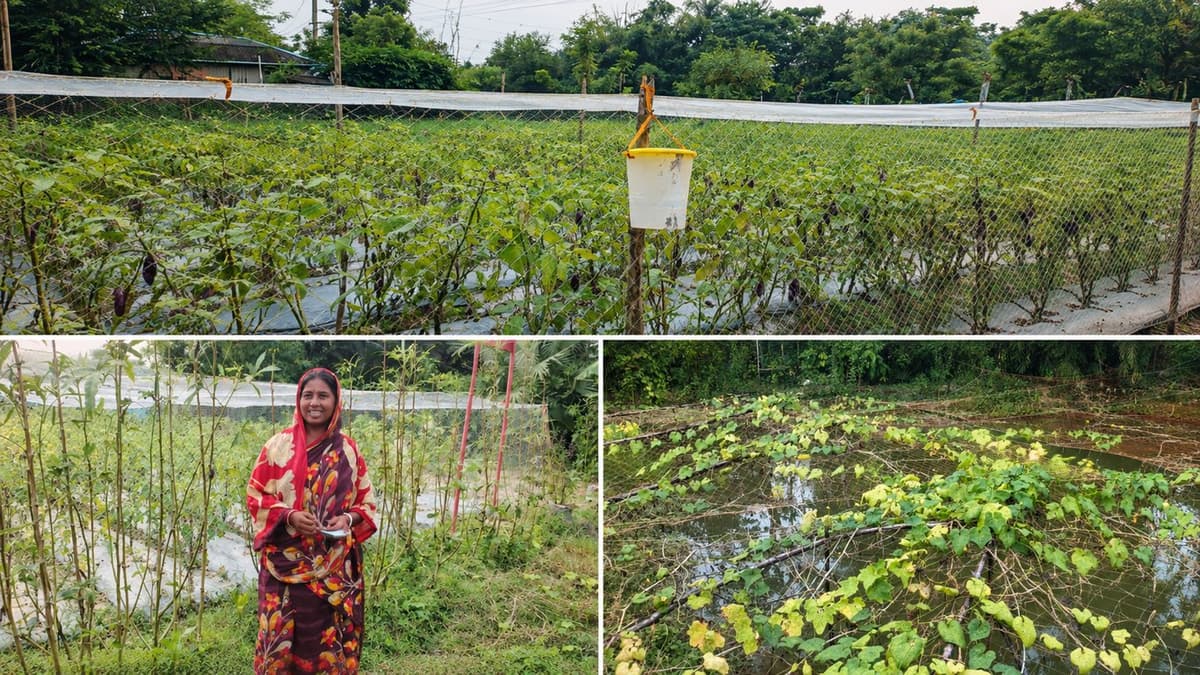
Coastal region use of chemical's and pesticides in agriculture across it's impact both economy and the environment
In the vast agricultural tracts of Shyamnagar Upazila, Satkhira—a coastal area adjacent to the Sundarbans in the country's south—decades of shrimp farming involving the pumping of saline river water onto croplands have caused soil salinity to rise to such an extent that it is no longer possible to cultivate crops using fresh water, even if one wished to do so. Nevertheless, local farmers have been attempting to grow fresh-water crops on their land over the past decade.
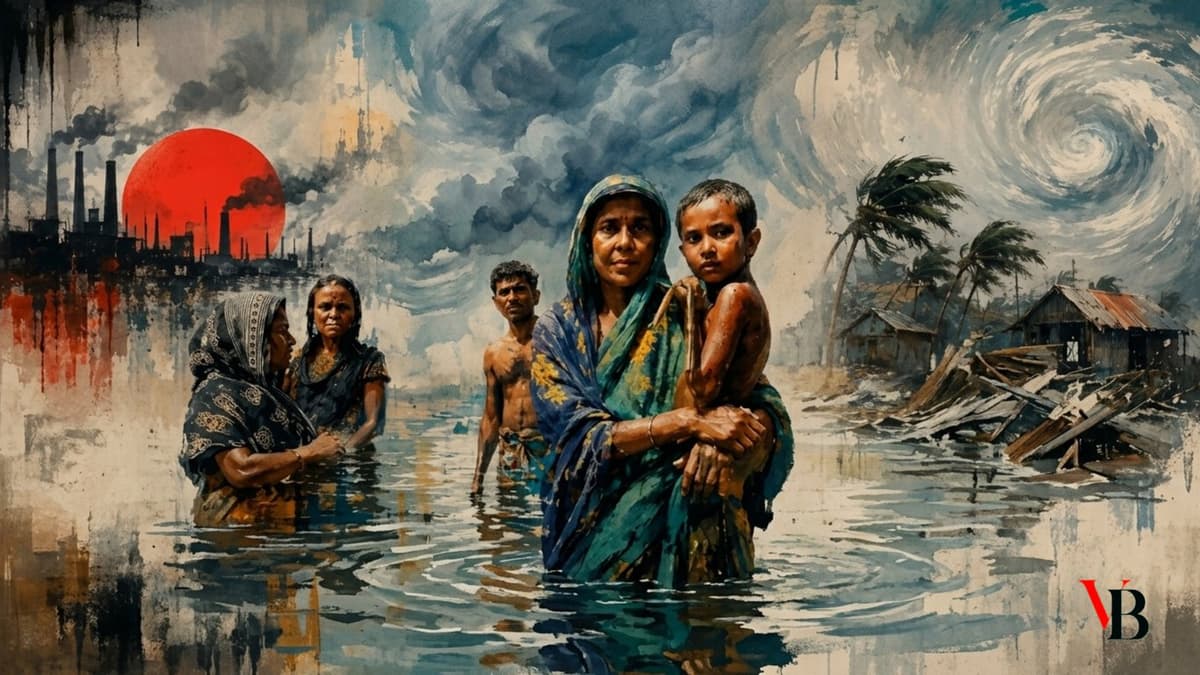
Climate-induced human rights violations in Bangladesh
Climate change is a globally pressing issue. And any single country is unable to address climate change-induced human rights violations issues to mitigate. That is why, according to the Sustainable Development Goals (SDGs) regional, international, global partnership and cooperation is imperative to work together for establishing human rights for all in a real sense rather than lip service, experts observed.

Climate change, women and renewable energy transition in Bangladesh
Recently I joined an event in Dhaka on advancing a just and gender-responsive renewable energy transition in Bangladesh. Manusher Jonno Foundation (MJF) organized it. I was enriched learning many issues from the experts and discussants.
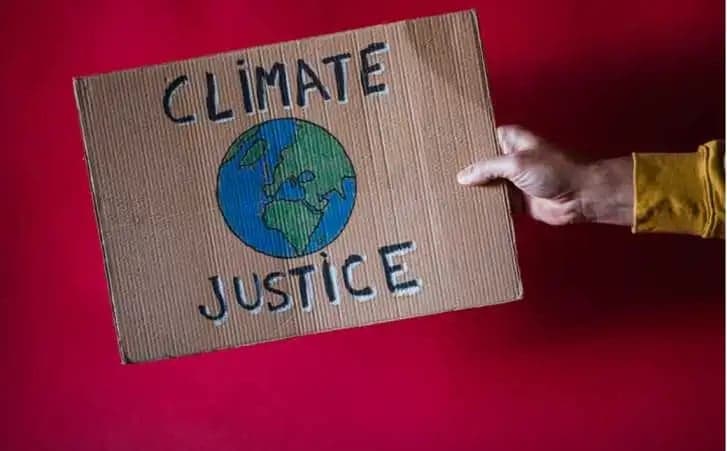
Climate change and Climate justice: Why Bangladesh deserves global support
The climate crisis exposes deep inequalities in our world. Some of the countries and communities that have contributed the least to global greenhouse gas emissions are facing the most severe consequences of climate change. Bangladesh is one such example.
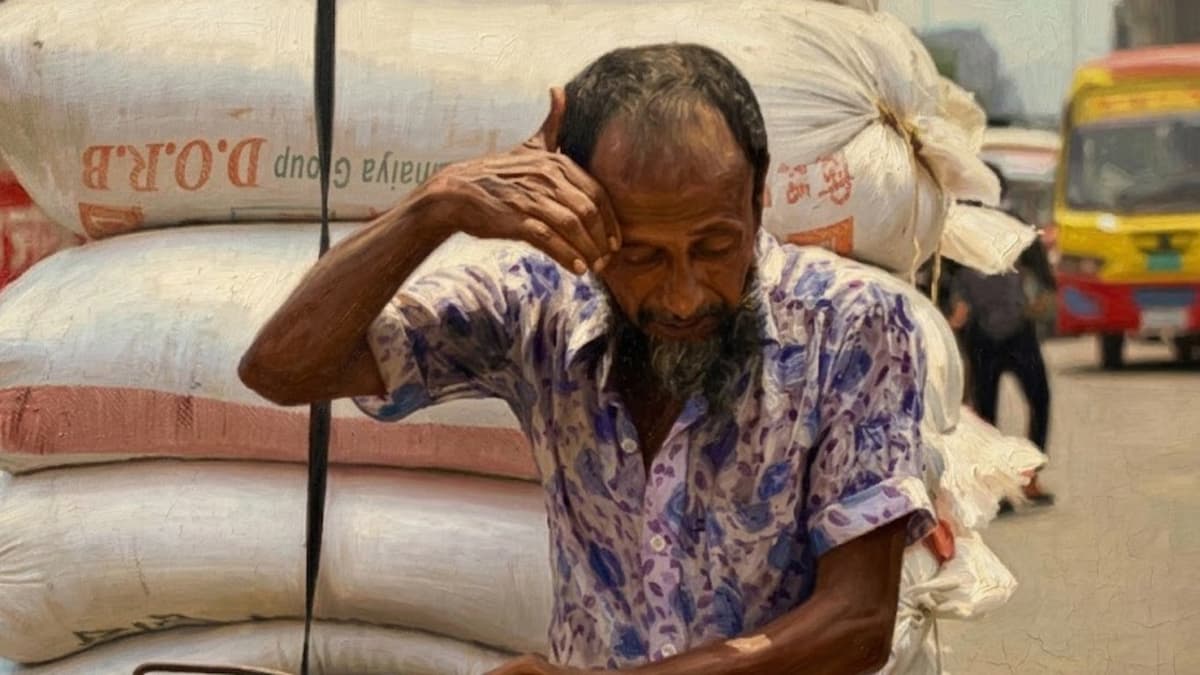
Struggle of life in Jyeshtha heat
In the month of Jyeshtha, nature adopts a severe demeanor. The sun unleashes its fiery rays upon the sky, causing the air to become oppressive and scorching. As Rabindranath Tagore eloquently stated, "Jyeshther khorroddroi Jyeshther oshrushunno rodon"—during this period, nature appears to emit a silent yet fervent heat. Consequently, the phrase "struggle of life in the heat of Jyeshtha" transcends mere seasonal description; it vividly illustrates the daily survival challenges faced by the common populace of Bangladesh.
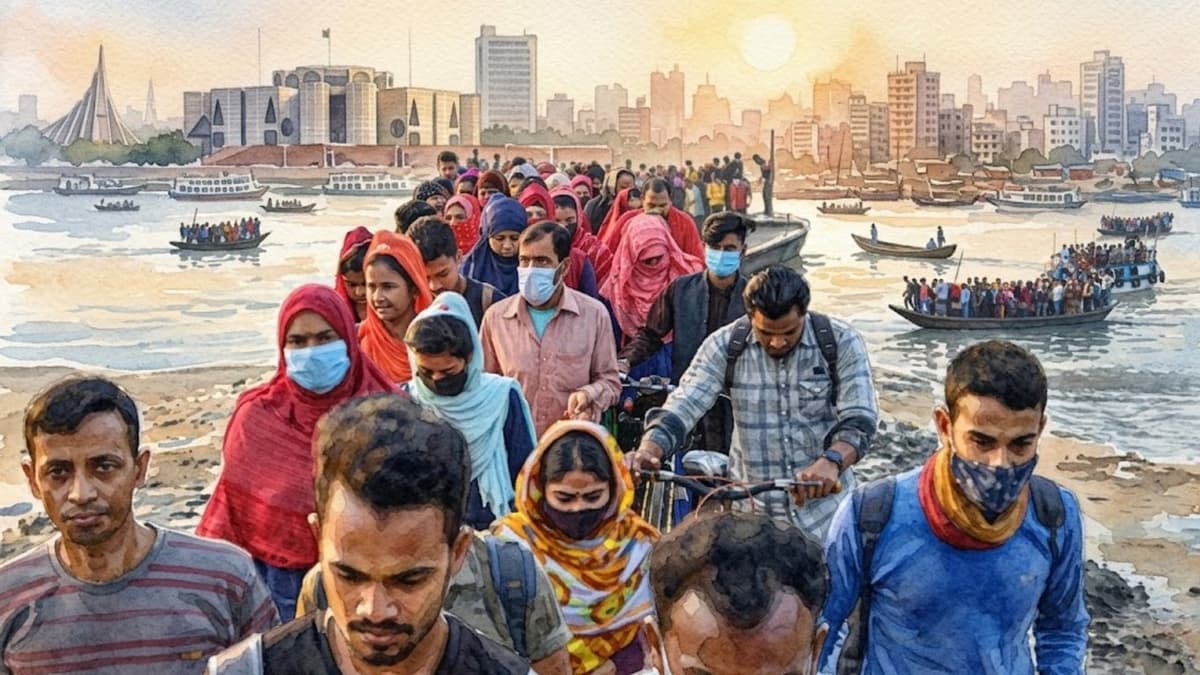
Climate migrants in Dhaka: The human face of Bangladesh’s climate crisis
Every morning in Dhaka, millions of people pass by street vendors on crowded footpaths, rickshaw pullers weaving through impossible traffic, and construction workers laboring under the heat to build the city’s ever-expanding skyline. To many urban residents, they are simply part of Dhaka’s informal economy- visible yet invisible at the same time.
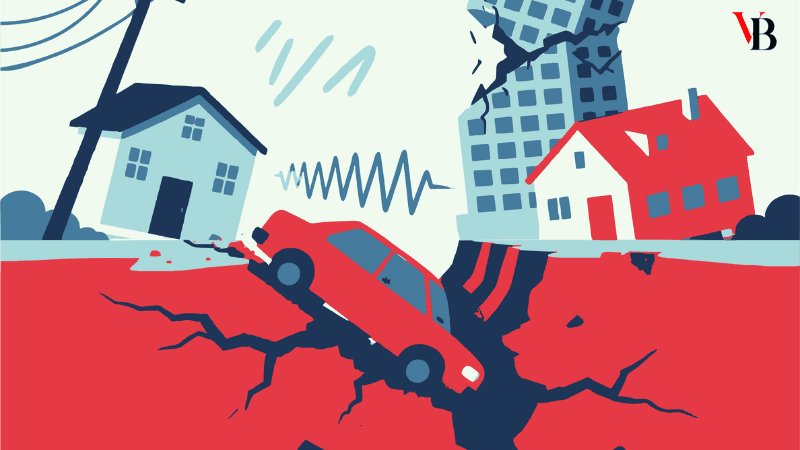
Earthquake in the Concrete Trap: Life and Risk
Dhaka—once known as the city of mosques—has now turned into a massive “Concrete trap.” Loaded by unplanned urbanization, high-rise buildings, and extreme population density, the city stands on what feels like a living volcano, moving steadily toward disaster. After the recent 5.7-magnitude earthquake, experts have spoken serious concerns about Dhaka’s frightening level of risk—concerns that have shaken us to the ultimate. The common people feel helpless and anxious, wondering what will happen if something bigger strikes. Especially with disasters like earthquakes and fires, Dhaka’s vulnerability is no longer a theoretical discussion; it is now a harsh reality.
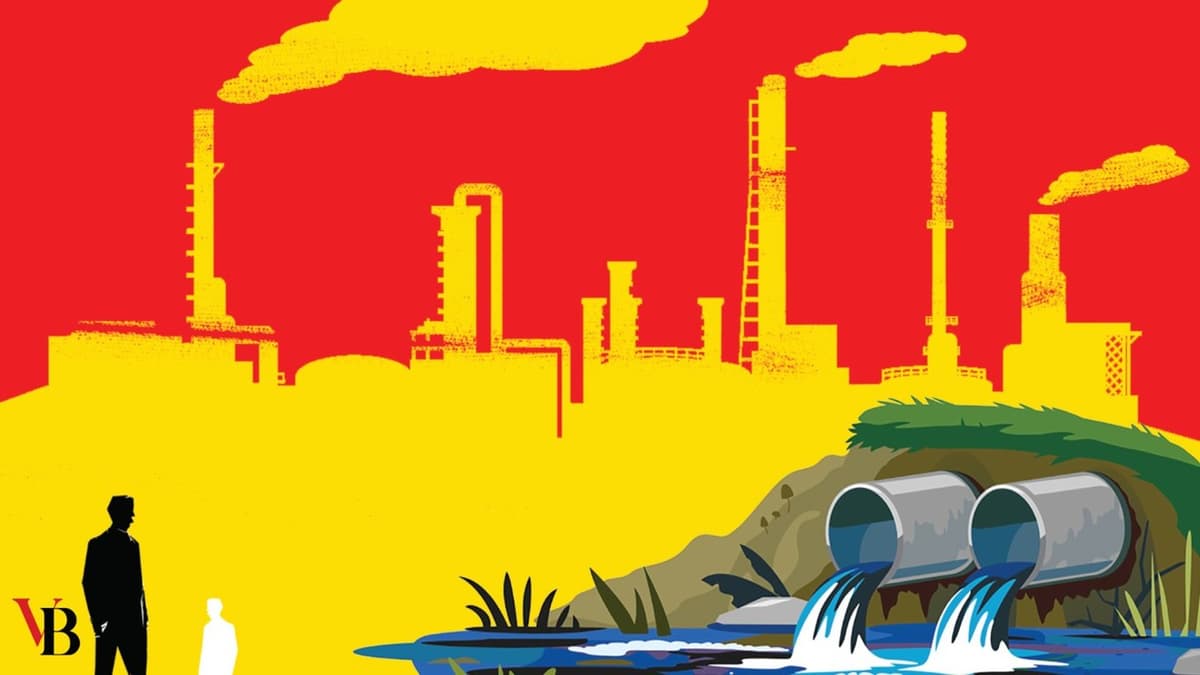
Deadly 'PFAS' becomes a new pollution threat
A new deadly form of pollution has emerged in the country named ‘PFAS’. This dangerous pollution is created by compounds formed from fluorine and carbon emitted by various factories. Several surveys have reported that PFAS has spread alarmingly in areas like Dhaka, Gazipur, Narayanganj, and Narsingdi. Gradually, it may spread to even wider areas. Researchers warn that if this deadly pollution is not stopped quickly, people will face serious health risks including cancer, skin diseases, liver cirrhosis, heart disease, and thyroid problems.
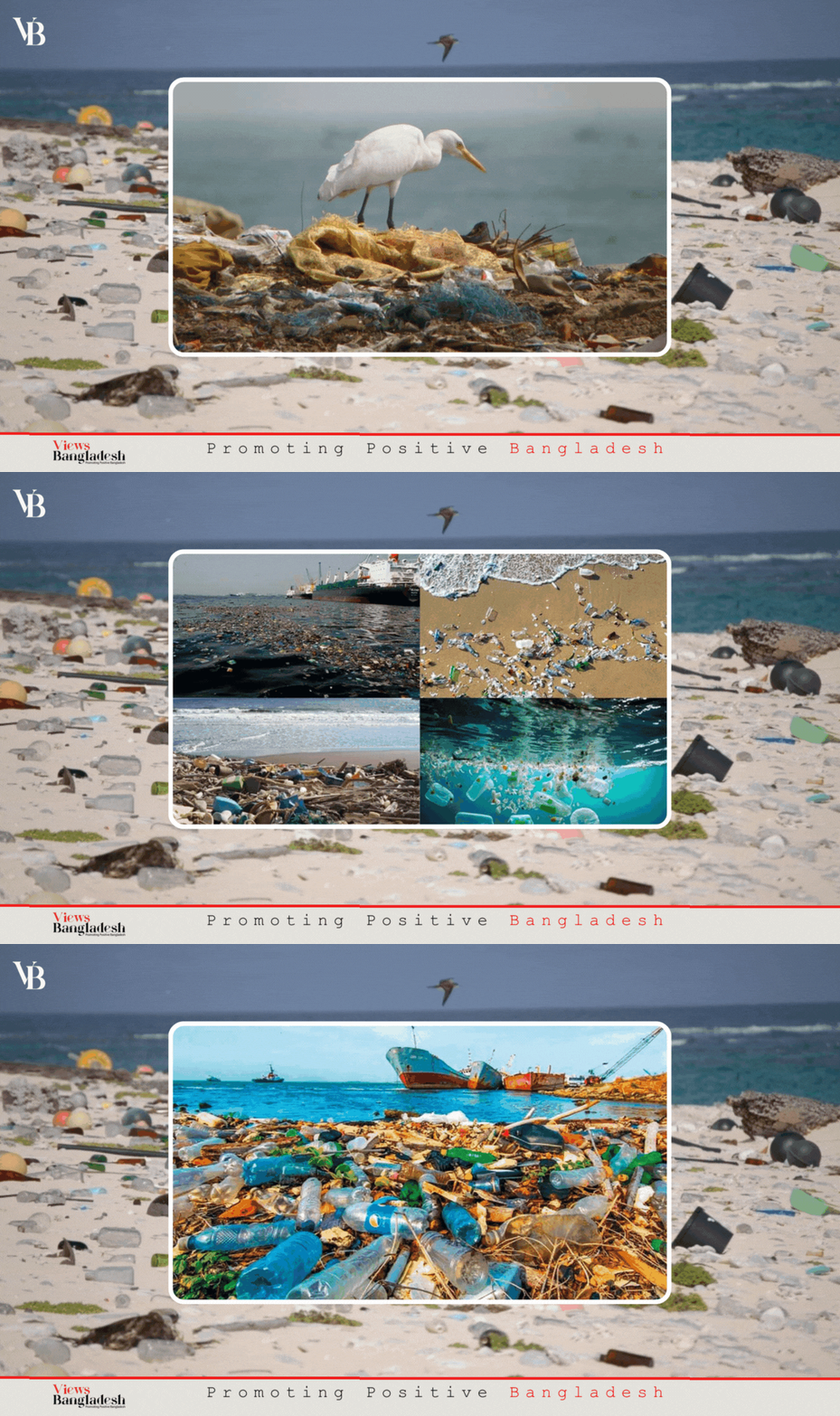
Marine pollution: An alarming threat for South Asian littoral states
Marine pollution on land and in oceans is currently a pressing environmental issue around the globe. The accumulation of waste causes severe, irreversible impacts and consequences on marine life, ecosystems, and the environment due to the lack of good waste collection, treatment, and management systems.
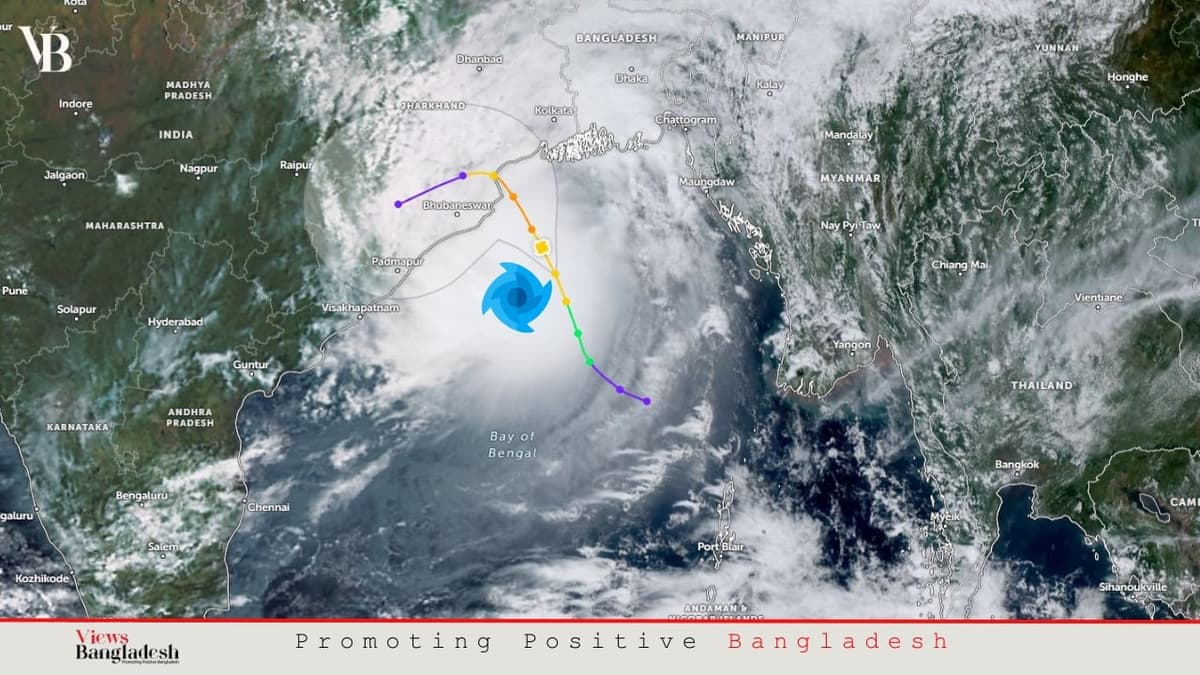
How Cyclone Dana was named from Arabic
The poem by the poet Jibanananda Das seems unrelated yet profoundly relevant here. The poet grew up in a region where cyclones have repeatedly shattered people's dreams and claimed lives. Yet, no matter how many times calamity strikes, humanity rises again with its inherent strength.