
Struggle of life in Jyeshtha heat
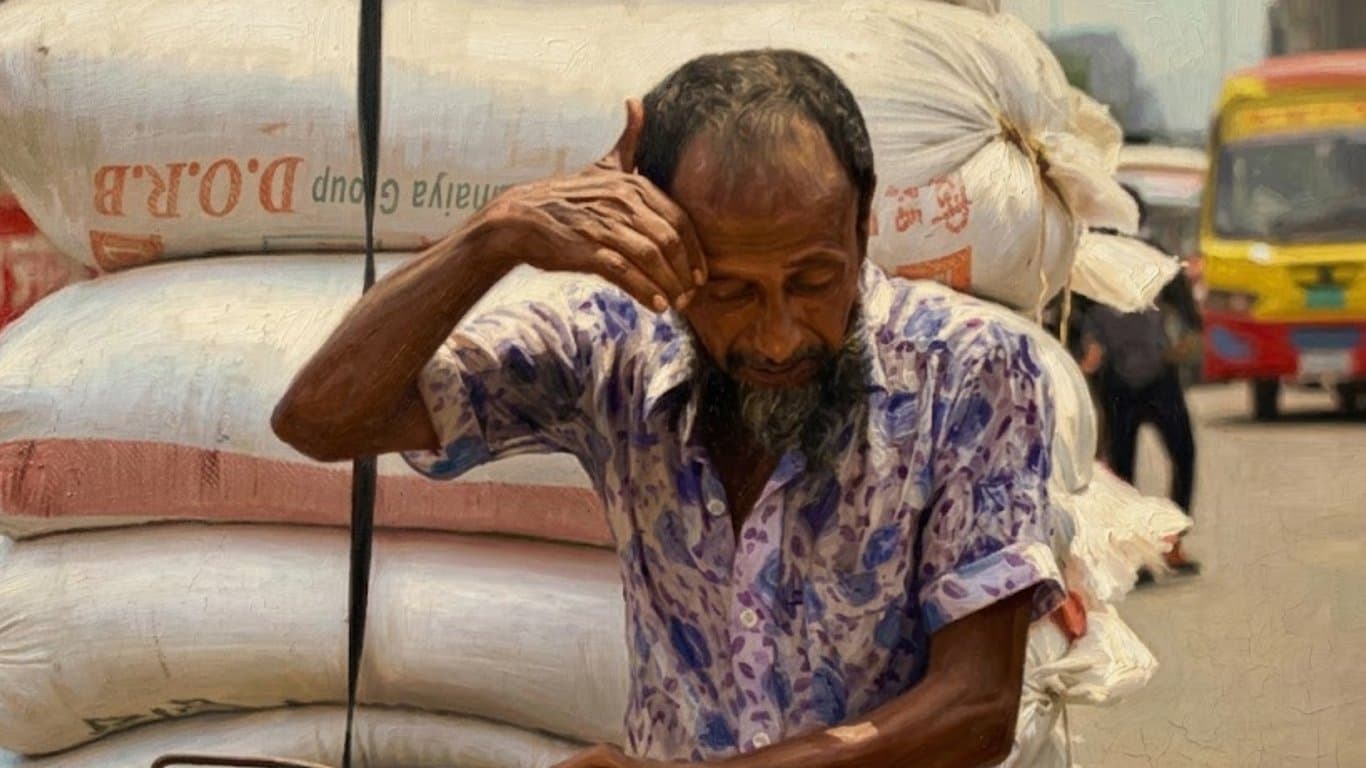

In the month of Jyeshtha, nature adopts a severe demeanor. The sun unleashes its fiery rays upon the sky, causing the air to become oppressive and scorching. As Rabindranath Tagore eloquently stated, "Jyeshther khorroddroi Jyeshther oshrushunno rodon"—during this period, nature appears to emit a silent yet fervent heat. Consequently, the phrase "struggle of life in the heat of Jyeshtha" transcends mere seasonal description; it vividly illustrates the daily survival challenges faced by the common populace of Bangladesh.
Those who labor diligently bear the brunt of this extreme heat. Jyeshtha serves as a quiet trial for rickshaw pullers, daily wage earners, farmers, and construction workers. Even when temperatures soar between 38 to 42 degrees Celsius on urban streets, they must remain outdoors to earn a living. The body grows weary from pedaling the rickshaw under the relentless sun, and perspiration flows incessantly. Yet, there is no opportunity to pause—stopping equates to halting the very essence of life. The plight of farmers in rural areas is equally challenging. Despite the scorching sun rendering the soil parched, they are compelled to toil in the fields. Tasks such as harvesting rice, cultivating vegetables, and irrigating must be carried out in this intolerable heat.
Frequently, crops suffer damage due to insufficient water supply. An irrigation crisis emerges as ponds, canals, and beels dry up. Thus, for farmers, the struggle against nature is compounded by economic instability. The middle class and working individuals in urban settings are not spared from this oppressive heat either. They endure lengthy commutes under the blazing sun while traveling to their workplaces. The discomfort escalates when they find themselves confined in a bus or rickshaw caught in traffic. The situation worsens dramatically during power outages. When the fans cease to operate, the home transforms into a stifling furnace. Children and the elderly are particularly affected; their sleep is disrupted, and their physical well-being deteriorates.
The issue of water scarcity becomes particularly pronounced during this period. In numerous regions, tubewells fail to yield water, leading to a decline in groundwater levels. In certain parts of the city, residents are compelled to purchase water due to insufficient supply from WASA. The extreme heat results in dehydration from perspiration, thereby heightening health risks. Medical professionals emphasize the necessity of maintaining adequate hydration with sufficient water intake during this season. However, in practice, many individuals from low-income backgrounds struggle to access clean water or fresh fruits on a regular basis.
Consequently, they face an elevated risk of health complications. Conditions such as heatstroke, dizziness, fatigue, and diarrhea are prevalent among children and the elderly. The influx of heat-related cases in hospitals tends to rise during this time. Nevertheless, the month of Jyeshtha is not solely characterized by adversity; it also conveys a message of relief. The seasonal fruits such as mango, jackfruit, and litchi provide comfort and joy to the populace. Refreshing mango sherbet or jackfruit juice offers a respite to those weary from the heat. Additionally, many families generate supplementary income by selling these fruits in rural areas.
The sweltering conditions of this Bengali month are intricately connected to the climate and cultural practices of Bangladesh. However, the effects of climate change have intensified and prolonged this heat in recent years. Where the warmth of this month was once bearable, heat waves have now become a frequent occurrence. Factors such as deforestation, waterlogging, and urbanization have exacerbated the situation. It is now crucial to prioritize environmental protection to address this crisis. There is a pressing need to plant more trees, conserve water bodies, and expand green spaces within urban areas. Furthermore, it is essential to raise public awareness regarding the prevention of electricity and water wastage.
The significance of the government and local administration cannot be overlooked. During periods of extreme heat, it is essential to provide shaded areas for rest, ensure a safe water supply, and implement awareness programs for the workforce. The installation of water supply stations on the streets, along with the provision of emergency healthcare, can significantly alleviate this distress. In summary, it can be concluded that the heat experienced in Jyeshtha transcends mere seasonal variation; it serves as a profound reflection of humanity's struggle for existence. This period instructs us on the importance of coexisting harmoniously with nature. Furthermore, it serves as a reminder that even amidst adversity, individuals persist in their endeavors with resilience, patience, and an unwavering spirit. Ultimately, the "struggle for life in the heat" is not merely a narrative about temperature; it stands as a living testament to diligence, perseverance, and survival. Regardless of the intensity of the heat, human life continues unabated—indeed, the quest for survival and the relentless drive to progress recommences each day.
Leave A Comment