
Family or state: Who bears the responsibility for the safety of children?
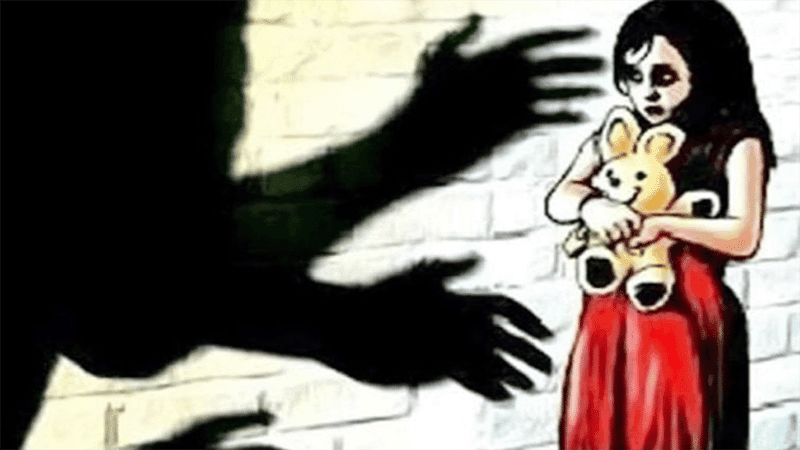

Each day, upon engaging with the media, we are confronted with distressing reports of child abuse, rape, murder, kidnapping, and child labor. Recently, incidents such as the murder of Ramisa, along with a series of child abuse and murder cases across various regions of the country, have profoundly unsettled society once more. Whether at school, at home, or on the streets, it appears that children are not entirely safe in any environment. In this technological era, children encounter numerous risks both in the physical world and online. This leads to the pressing question: who holds the primary responsibility for ensuring children's safety—the family or the state? The family's role is paramount in a child's life. It serves as the child's initial refuge, first educational institution, and primary safety net. The manner in which a child learns to communicate, trust others, identify threats, or articulate their concerns is largely shaped by their family.
Consequently, the foremost duty to guarantee a child's safety undoubtedly rests with the family. Currently, numerous families are struggling to provide their children with emotional support, despite offering them physical amenities. Particularly due to the hectic schedules of working parents, many children find themselves unsupervised for significant portions of the day. This lack of oversight often leads children to roam freely, engage in unsafe surroundings, and develop a preference for unhealthy food choices. As a result, children are experiencing various health issues stemming from the consumption of fast food and unhealthy street food, adversely affecting their physical and mental growth.
Furthermore, parents are increasingly missing the chance to engage in open communication with their children due to their hectic lifestyles. Consequently, alterations in the child's behavior, indications of stress, or signs of abuse frequently go unnoticed by the family. In certain instances, abuse is also concealed due to societal shame or fear, which further emboldens offenders. Regarding child safety, it is essential for the family to not only provide emotional support but also to remain vigilant. Monitoring the child's whereabouts, the company they keep, their online activities, and their communications is crucial. Additionally, it is the family's duty to educate the child on how to assertively say 'no', to raise awareness about personal safety, and to foster an environment where the child feels comfortable speaking out in the event of danger. Nevertheless, can a child's safety be guaranteed solely through family awareness? The answer is no, according to reality. Children exist not only within the confines of their homes but also within society. It is the state's obligation to create a secure environment in all areas - including schools, roadways, public transportation, playgrounds, and digital platforms. The primary responsibility of the state is to safeguard its citizens through legal and security measures. Although Bangladesh has various laws addressing child abuse, rape, trafficking, and child labor, these laws are often not enforced effectively. Numerous offenders evade justice due to prolonged trial processes, interference from powerful individuals, or administrative shortcomings. In this regard, the murder of Ramisa and other incidents of child abuse have sparked significant public concern regarding the prevailing culture of impunity. In this light, the Children Act 2013 of Bangladesh stands as a crucial piece of legislation for the protection of children. This law categorizes all individuals under the age of 18 as children and establishes provisions to uphold their rights, safety, and welfare. Acts of abuse, neglect, exploitation, and violence against children are deemed serious offenses subject to strict penalties. In addition, special importance is also given to separate, child-friendly courts and protecting confidentiality in the child justice process.
However, the truth is that merely having a law is insufficient; its effective enforcement is crucial. Despite the existence of laws, impunity and a sluggish justice system often foster criminal activity. It is also a significant duty of the state to ensure secure educational environments, implement anti-bullying measures, provide cyber security, and offer mental health support for children. At times, child victims of abuse endure greater suffering from societal pressure than from the pursuit of justice. The state must adopt a more effective and compassionate approach to rectify this issue. Particularly, crimes committed online pose a substantial risk to children today. Incidents of fraud, blackmail, and sexual harassment on social media are on the rise. Parents may not always possess the necessary technological skills. Consequently, proactive policies and oversight by the state are vital to guarantee the digital safety of children. Nevertheless, the fact remains that no individual can ensure a child's safety in isolation, regardless of the family's awareness. Even if the family is informed, an increase in crime rates within society and the state's failure to uphold the law complicate the task of safeguarding the child. Furthermore, even with robust laws in place, if the family neglects the child, the child remains vulnerable. Child safety fundamentally requires a collective effort. The family is responsible for providing love, awareness, and courage to the child, while the state must ensure a secure environment, enforce effective laws, and deliver prompt justice. Additionally, educational institutions, the media, and society must also contribute positively. Child safety transcends family concerns; it is intrinsically linked to the future of the entire nation. When children are protected, society thrives, and the state progresses. Therefore, more critical than the discussion regarding who bears greater responsibility is the sincerity with which each party fulfills their obligations. The failure of either the family or the state in ensuring child safety ultimately results in the failure of society as a whole.
Leave A Comment