
Law
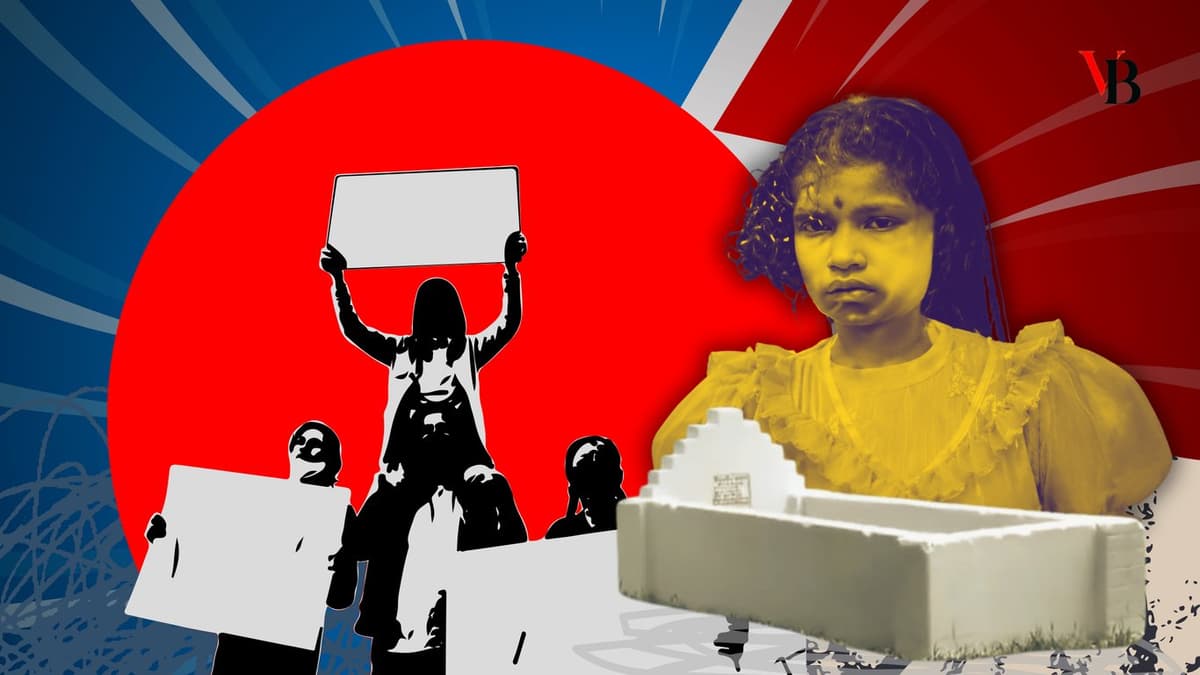
30 years of Yasmin tragedy
Three decades after Yasmin’s murder, the crisis against which Dinajpur rose up has not disappeared; rather, in some respects, it has returned with an even more frightening face. A particular piece of information from the Bangladesh Mahila Parishad’s “Violence Against Women and Girls: 2025 Survey” is especially heart-wrenching: according to the survey, girls aged six to nine are at the highest risk among child victims of rape. At an age when a child should be holding a doll in her arms, she is instead becoming a victim of brutality. There can be no deeper social shame than this. According to the organisation’s latest figures, in just the first five months of 2026 (January to May), 1,035 women and girls were victims of violence, including 250 rape victims, 65 victims of gang rape, and 18 who were raped and then killed. And these figures represent only incidents reported in newspapers; it is easy to assume that the actual number of unreported and suppressed cases is many times higher.
30 Years of the Yasmin Tragedy
On the dawn of August 24, 1995, the lifeless, bloodied body of a teenage girl lay by the roadside in front of the BRAC office at Raniganj intersection in Dinajpur town. Her name was Yasmin Akter. According to Bangladesh Mahila Parishad and most reliable accounts, she was only 14 years old. At an age when a girl should have been carrying schoolbooks, Yasmin’s lifeless body lay on a city street in the early morning light. She had been working as a domestic helper in a Dhaka household and was travelling by bus to return to her mother in Dinajpur.
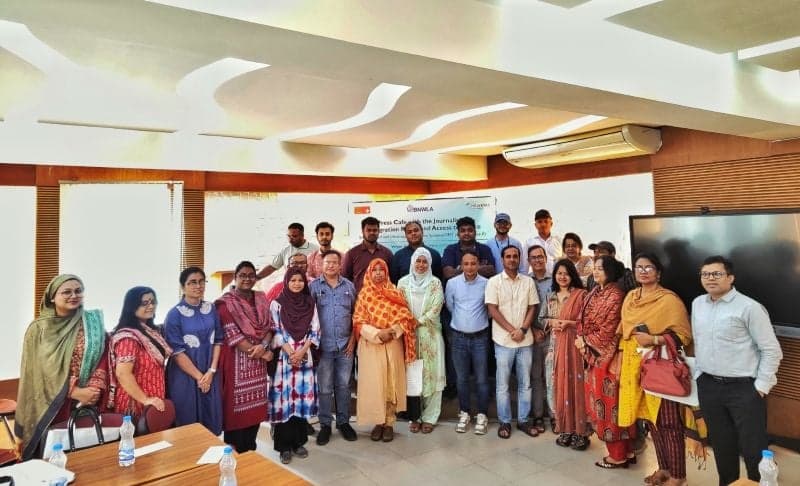
Ensure access to justice for female migrant workers
Rehana Akter ( 26), a Bangaldeshi divorcee poor woman of Ibrahimpur village, under Keraniganj subdistrict in Dhaka. She has two minor gilr children. After being divorced by her husband for unable to pay dowry, she found no option to survive. Once her neighbor advised to fly abroad for a lucrative job with high salary.
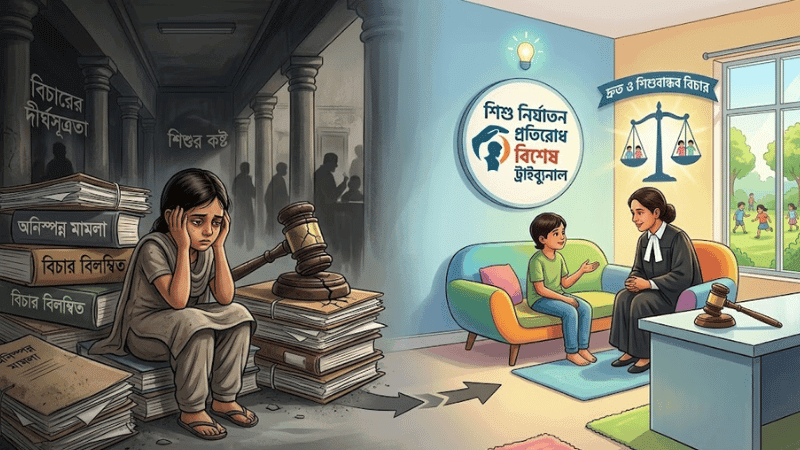
Establish a special tribunal to combat child abuse
When a child becomes a victim of abuse, it is not only the child's body and mind that are scarred—the conscience of the state is wounded as well. Yet when that same child is forced to spend years climbing courthouse steps in search of justice, repeatedly recounting the traumatic incident or facing the accused in court, the justice system itself, however unintentionally, becomes part of the abuse. Delayed justice does not merely postpone the conclusion of a case; it delays a child's return to a normal life. Child abuse cases, therefore, cannot continue to move at the pace of ordinary litigation.
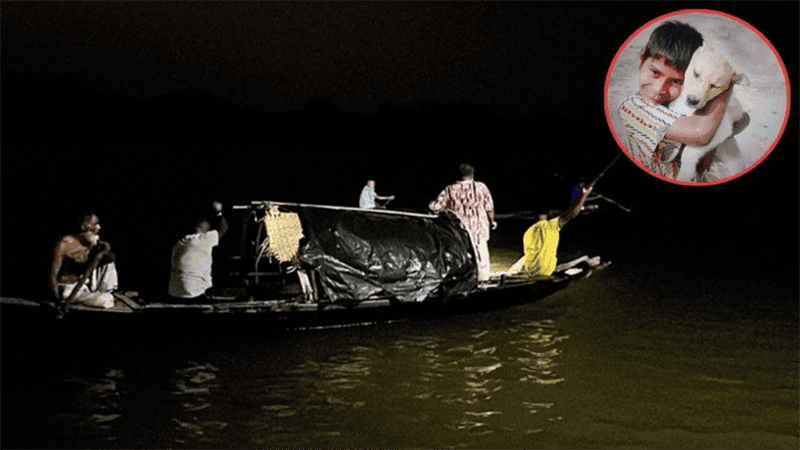
Was the Bagerhat administration just waiting for Fatima's death?
The tragic death of seven-year-old Fatima Akhter in a pond near the Hazrat Khan Jahan Ali (R.) Shrine in Bagerhat cannot simply be dismissed as an accident, especially given the numerous warning signs that preceded this incident. There have also been previous occurrences of fatalities.
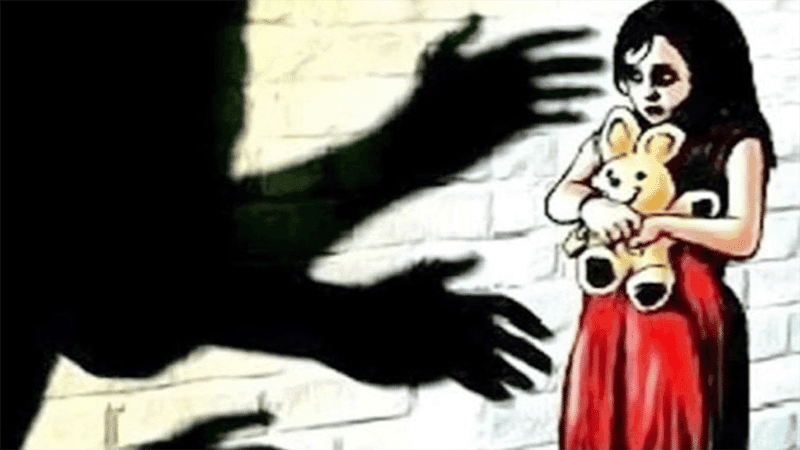
Family or state: Who bears the responsibility for the safety of children?
Each day, upon engaging with the media, we are confronted with distressing reports of child abuse, rape, murder, kidnapping, and child labor. Recently, incidents such as the murder of Ramisa, along with a series of child abuse and murder cases across various regions of the country, have profoundly unsettled society once more. Whether at school, at home, or on the streets, it appears that children are not entirely safe in any environment. In this technological era, children encounter numerous risks both in the physical world and online.
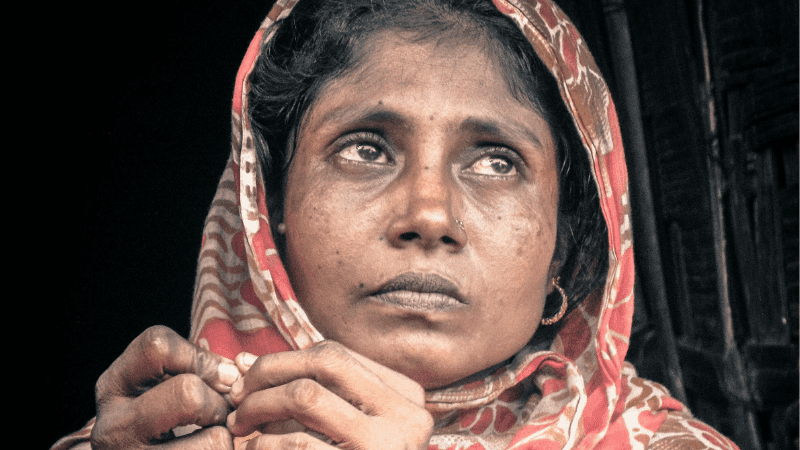
Is this the real face of NGO activities?
While top NGO officials, dressed in crisp, white, ironed panjabis, shout themselves hoarse about governance, human rights, and sustainable development inside air-conditioned seminar halls, a despicable example of the harsh reality faced by marginalized people sweating in the scorching heat outside has emerged in Tarash, Sirajganj. For the 'crime' of failing to pay a microcredit installment, a mother was sent to jail after her eighteen-month-old nursing infant was snatched from her arms. Yet, according to official records, the actual amount in dispute was a mere two hundred taka.
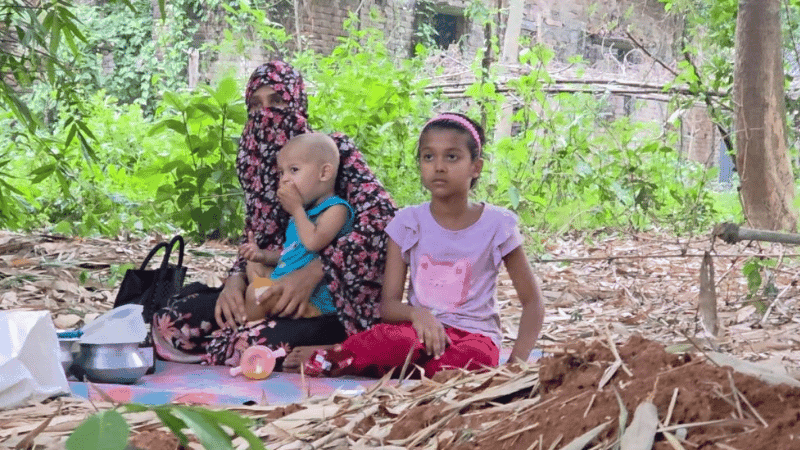
Has the state lost guardianship of its citizens?
The measure of a state's strength is not determined by its GDP or large-scale projects, but rather by how well it safeguards its most vulnerable citizens during times of peril.
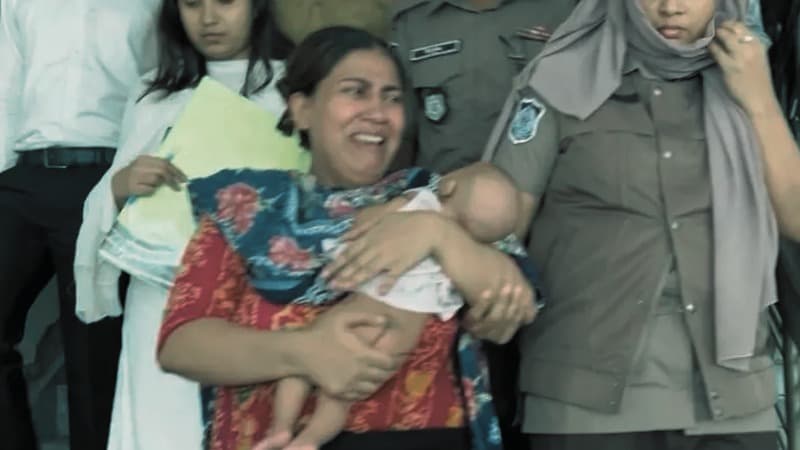
From newborn to 6-year-old: Innocent childhood in prison
A mother is nursing her 46-day-old infant on the balcony of the court. Lawyers are present in abundance, police are on patrol, and the atmosphere is filled with the commotion of legal documents.

Violence against women in Bangladesh
VIOLENCE against women and young girls in Bangladesh is a widespread concern for all. A significant number of women are experiencing various forms of violence, including intimate partner violence and sexual violence. In Bangladesh, 70 per cent of the women have experienced at least one form of intimate partner violence in their lifetime.