
Hemanta in change of seasons, is nature losing its familiar form?
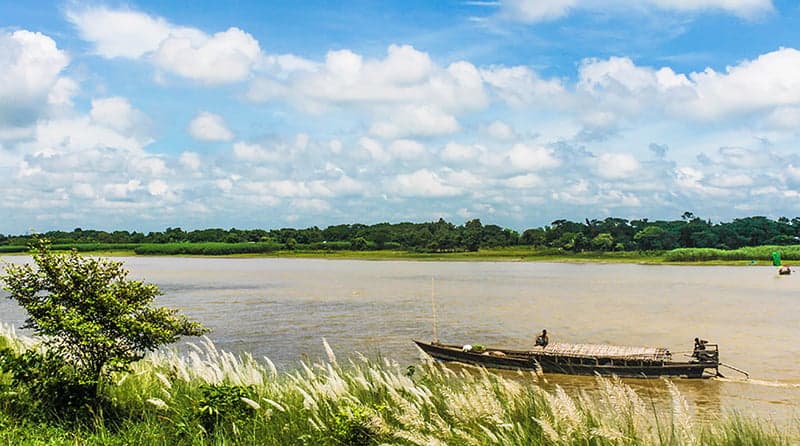

The turn of change has again come on the canvas of nature. Crossing the white cloud rafts in the blue sky of autumn and the swaying of kash flowers, the counting of the days of Hemanta has started on the pages of the calendar. Kartik and Agrahayan—these two months make up Hemanta, the fourth season of the six seasons of Bengal. This season knocks at the door of nature with the arrival message of winter. But with the change of time, is that ever-familiar form of Hemanta gradually fading?
In the nature of Bengal Hemanta is a gentle juncture. At this time there is no intense heat of summer, and winter also does not set in firmly. The mild warmth of the sun during the day and the touch of the chilly air in the last hour of the night—all together create a magical atmosphere in nature. The dew drops remaining on the grass of the morning, the thin sheet of fog on the distant horizon and the scene of the silent rural Bengal seem like a watercolour picture drawn by the hand of nature itself.
Crossing the streams of the monsoon, at this time the trees remain filled with green. There is abundance of water in the canals, beels, rivers, streams and water bodies. White-red water lilies bloom somewhere, the beauty of lotus spreads on the bosom of the water somewhere. The golden glow of the ripe paddy in the fields announces the arrival message of the new crop. The joy of harvesting the crop at home rises in the mind of the farmer, the preparation of Nabanna starts in the rural settlements. In the smell of the soil, the fragrance of the paddy and the atmosphere of the folk festival, Hemanta becomes a unique season of the agriculture-dependent life of Bengal.
This calm, golden form of Hemanta has also got a special place in the creations of the poets and litterateurs. World poet Rabindranath Tagore has presented the nature of Hemanta in the magical language of poetry—
‘Aji hemant er shanti byapto charachare - janshunnya kshetra majhe dipta dwiprahare - shabdahin gatihin stabdhata udar - royeche poriya shranto diganta prosar swarnashyam dana meli.’
In the poem Nakshi Kanthar Math of the rural poet Jasimuddin also the ever-familiar picture of the field of ripe paddy and rural life has come out— ‘Ashwin gelo, Kartik mashe pakil kheter dhan, sara math bhori gahitechhe ke jen hol-di-kotar gan. Dhane dhan lagi bajichhe bajna, gondho urichhe bay, kalmilatay dolon legechhe, hese kul nahi pay.’
It seems that the distance between that Bengal drawn in the lines of the poem and the nature of reality is gradually increasing. Hemanta comes after autumn and before winter all right, but its distinct charm often cannot be felt. The season seems to have become more limited to the pages of the calendar than the reality of nature. Prolonged heat, untimely rain and the irregular behaviour of the weather are changing the familiar rhythm of the season.
Due to the influence of climate change the change in the pattern of temperature and rainfall is creating new challenges for nature, agriculture and biodiversity. Long-term weather information and observation are urgent to determine how much the natural characteristics of the season have changed. However the capricious behaviour of nature is making people think anew—will the ever-familiar seasonal diversity of Bengal remain as before?
Hemanta is not only the name of a season; it is a deep feeling mixed with the soil, farmer, crop, poetry and culture of Bengal. Its life is in the dew-soaked morning, the golden field of paddy and the festival of Nabanna. If that form of nature gradually becomes dim, then a unique chapter of our tradition will also be lost. Therefore protecting the beauty of Hemanta means not only holding the form of the season, but also keeping alive that eternal relationship of ours with the nature and lifestyle of Bengal.
Leave A Comment