

Hormuz closure threatens food supply in Middle East
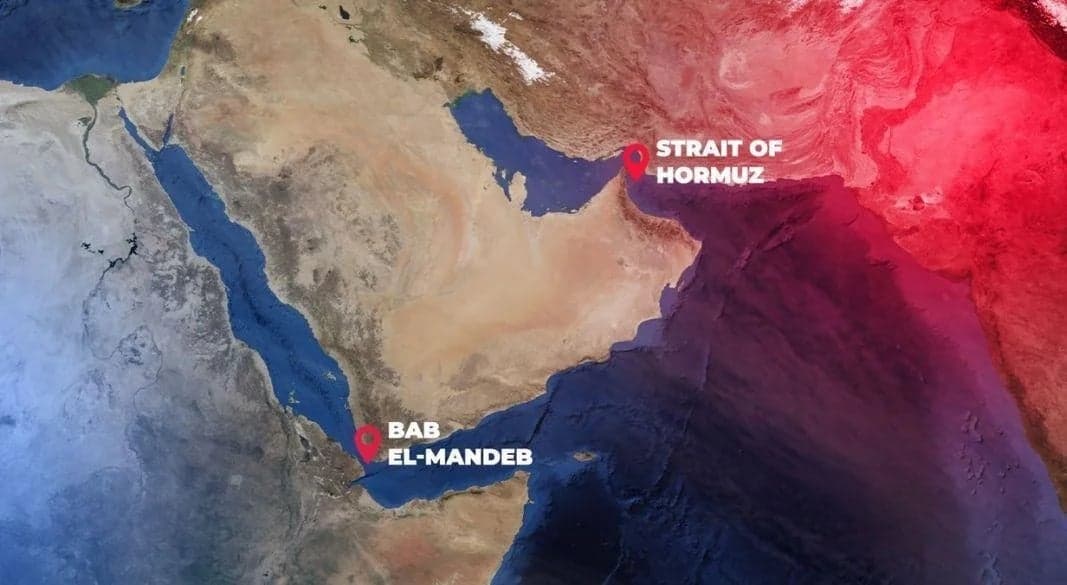

With the Strait of Hormuz, vital for oil and natural gas transport, now virtually impassable, a major food supply crisis is looming in the Middle East. This waterway carries about 20 per cent of the world's oil and serves as a lifeline for food supplies for nearly 100 million people, CNN reported.
Due to the Iran conflict, the passage of oil tankers and food-carrying ships has been severely disrupted, causing major setbacks in food imports and supply for Gulf countries. With harsh climates and limited arable land, nations in this region are heavily import-dependent. For example, Saudi Arabia imports about 80 per cent of its food, the UAE nearly 90 per cent, and Qatar almost 98 per cent.
Attacks on commercial vessels have effectively closed the Strait of Hormuz, forcing ships to use longer, more expensive alternative routes. This directly impacts food prices, adding pressure on consumers. Even countries like Iraq depend on this sea route for food imports.
The World Food Programme warns that the global food supply chain is facing its biggest disruption since the COVID-19 pandemic and the 2022 Ukraine war. Shipping costs are rising rapidly, further complicating the situation, according to the organisation.
Food suppliers in the Gulf region are also under pressure. Uncertainty looms over supply systems due to finding alternative routes, vessel delays, increased insurance costs and rising transport expenses. In many cases, ships are stranded at other ports or considering selling cargo elsewhere.
Cargo transport by air has also been disrupted. Dubai International Airport's temporary closure due to recent attacks has affected freight movement.
Companies are now exploring land routes as alternatives, planning to transport goods from Europe through Turkey to Iraq, Saudi Arabia and the UAE. However, this increases both time and cost.
Analysts warn that if the crisis is prolonged, food prices in Gulf countries will rise further, potentially leading to supply shortages. While some entities claim to have about a month's worth of food stockpiled, significant economic and humanitarian pressure could build if the situation does not normalise quickly.
Leave A Comment
You need login first to leave a comment