
Humayun Azad's 22nd death anniversary today
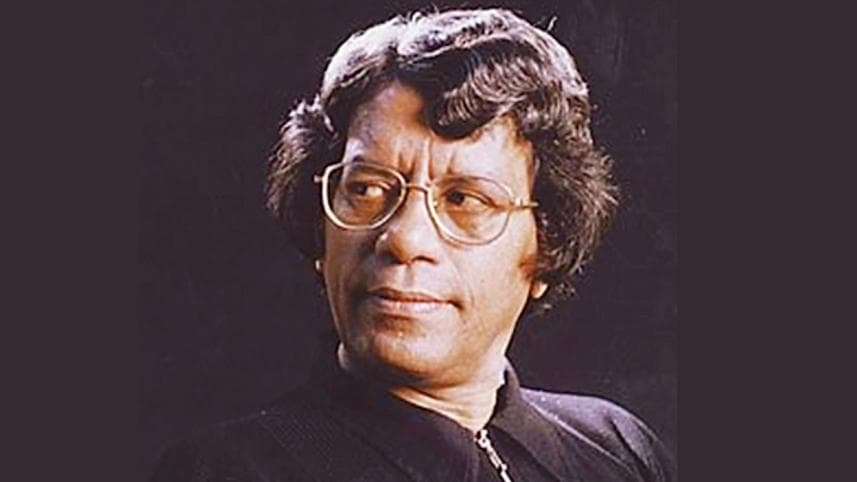

The country is remembering writer, linguist and professor Humayun Azad on the 22nd anniversary of his death, honouring a literary figure whose fearless commitment to reason, free thought and intellectual independence left a lasting mark on the country’s cultural landscape.
Azad died in Munich, Germany, on August 12, 2004, only days after travelling there for research. His death came months after he survived a brutal machete attack in Dhaka that left him critically injured and shocked the nation.
Born on April 28, 1947, in Kamargaon of Bikrampur, Azad emerged as one of Bangladesh’s most distinctive literary voices. A linguist by training and a prolific writer, he worked across poetry, novels, essays, children's literature and academic research.
What set him apart was his refusal to shy away from difficult questions. His writings challenged religious extremism, social prejudice, political repression and deeply rooted conventions. He consistently championed rational thought and individual freedom, often at considerable personal cost.
His novel Pak Sar Jamin Sad Bad brought him intense criticism and threats from Islamist groups. On February 27, 2004, he was attacked while returning home from the Amar Ekushey Book Fair in Dhaka. The assault left him seriously wounded.
After receiving treatment in Dhaka and Bangkok, Azad travelled to Germany on August 7 for research. Five days later, he was found dead at his residence in Munich.
His death marked a profound loss for Bangladesh’s literary and intellectual community. Yet his ideas did not disappear with him. His books, essays and observations continue to provoke debate among readers, academics and younger generations.
Azad received the Bangla Academy Literary Award in 1986. In recognition of his contribution to literature and linguistics, he was posthumously awarded the Ekushey Padak in 2012.
A long-running murder case over his death eventually resulted in death sentences for four JMB members in 2022. However, questions over the final legal resolution of the case remain.
Twenty-two years after his death, Humayun Azad's legacy is perhaps best understood not simply through the awards he received or the controversies surrounding his writings, but through the courage with which he defended the right to question, think and disagree.
His life was cut short, but the questions he raised remain alive. And so does the voice of Humayun Azad.
Leave A Comment