
'India reviewing Bangladesh's extradition request for Sheikh Hasina'
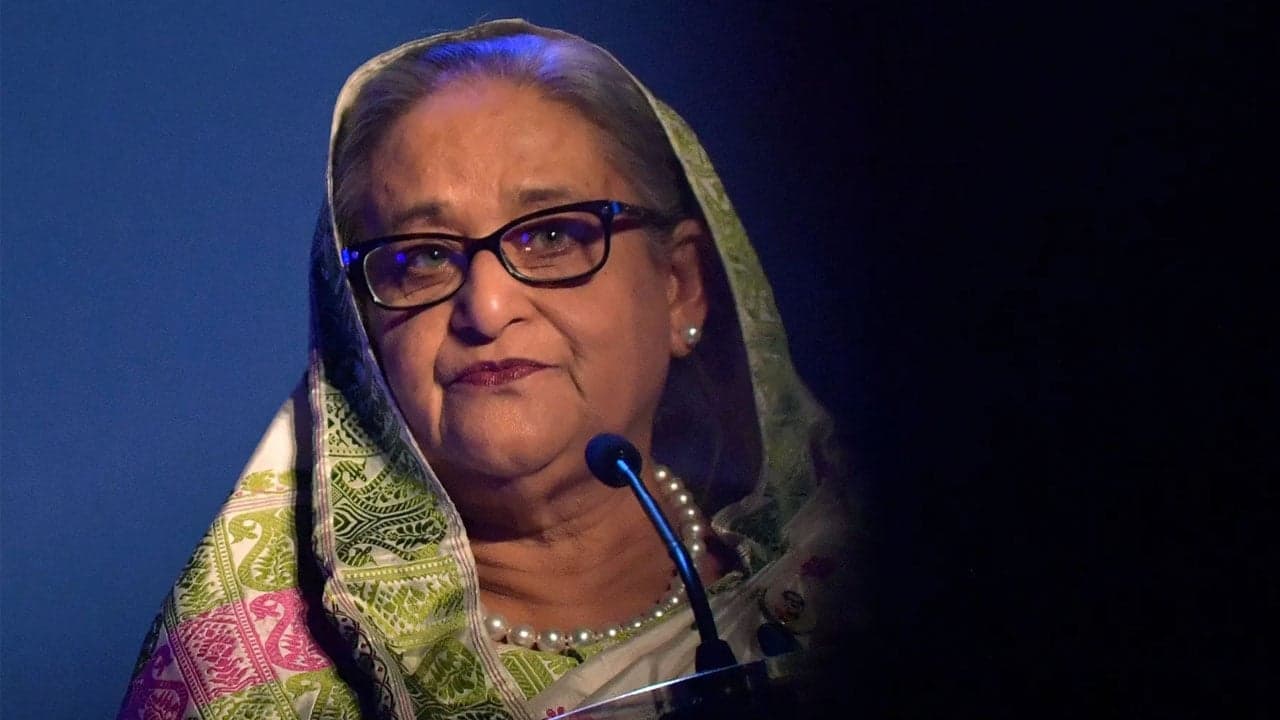

The Indian government has informed their Parliament that Bangladesh's request for the extradition of ousted Prime Minister Sheikh Hasina is currently under review by the competent authorities under existing legal procedures.
The update was included in an "Action Taken Report" presented in the Lok Sabha on Thursday (July 30) by the Parliamentary Standing Committee on External Affairs.
The report outlines the government's response to recommendations made in the committee's earlier report titled "The Future of India-Bangladesh Relations." The committee is chaired by Congress MP Shashi Tharoor.
According to the report, the extradition request is being examined in accordance with applicable laws and established procedures. The committee had previously expressed its interest in being kept informed of any developments regarding the matter.
Addressing Sheikh Hasina's stay in India, the committee said the decision reflects India's long-standing humanitarian tradition of providing refuge to individuals facing extreme crises or threats to their lives.
It also noted that the Indian government has made clear she has not been permitted to use Indian territory or any political platform in the country for political activities.
The report further reiterated India's longstanding policy of not allowing its territory to be used for political activities directed against another country. It recommended that New Delhi continue to handle the matter with humanitarian consideration, policy consistency, and in line with its international obligations.
Sheikh Hasina has been in India since August 2024, when she left Bangladesh following mass protests that ended her tenure in office. The first extradition request was submitted by the interim government led by Professor Muhammad Yunus. The demand gained further momentum after Bangladesh's International Crimes Tribunal sentenced Hasina to death in absentia. Following the formation of a BNP-led government under Tarique Rahman after the February general election, Dhaka renewed its request to New Delhi.
India and Bangladesh signed an extradition treaty in 2013, later amended in 2016. However, the agreement includes provisions allowing either side to reject an extradition request, particularly if the alleged offence is deemed political in nature or if the request is considered not to have been made in good faith. As a result, despite the treaty, the final decision is expected to depend largely on political and diplomatic considerations.
Leave A Comment