
Jump from 4pc to 9pc growth Tarique Rahman's biggest challenge: Time magazine analysis
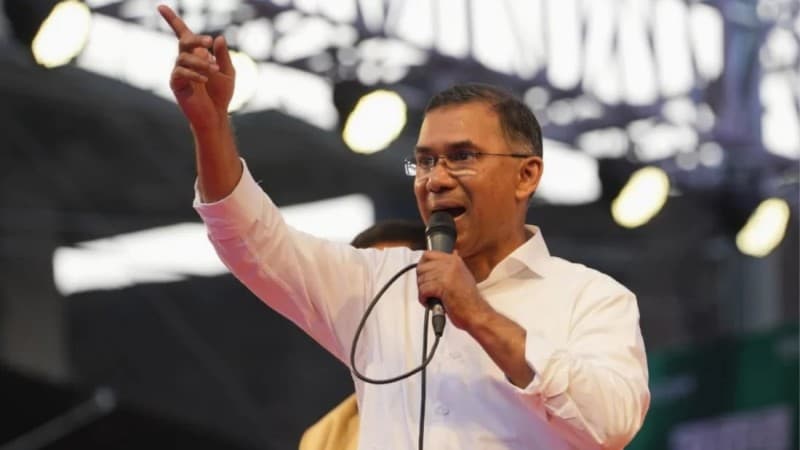

Following BNP's two-thirds majority victory in the February 12 national election, Prime Minister Tarique Rahman's pledge to expand Bangladesh's economy from nearly $460 billion to $1 trillion by 2034 has drawn scrutiny from international media.
US-based Time magazine published an analysis by political analyst Farid Erkizia Bakht highlighting the significant challenges ahead. Achieving the target would require annual economic growth of around 9 percent—a steep climb for an economy that has slowed to 4 percent growth.
BNP has pledged to increase education spending from 2 percent to 6 percent of GDP and health spending from 0.75 per cent to 5 percent. However, the analysis noted a lack of credible revenue-generation plans to fund these initiatives. Private investment would need to surge from 23 per cent to 35 per cent of GDP to more than double growth rates.
High interest rates over the past 18 months have drawn criticism from economists and businesses. The report identified distribution bottlenecks, rather than monetary policy alone, as the primary driver of high food prices—the government's weakest point.
Agriculture contributes 12 percent to GDP while employing nearly 44 percent of the workforce (about 50 million people). The analysis suggested the Prime Minister must crack down on middlemen syndicates that cheat farmers while inflating urban food prices, and invest in post-harvest logistics.
Remittance management emerged as another priority, potentially more significant than IMF loans. Nearly one crore Bangladeshi workers, mainly in Gulf countries, sent about $7.5 billion in three months—equivalent to all IMF support packages combined. After the Awami League government's fall in 2024, remittances surged from $21 billion in 2023 to $30 billion in 2025 as workers shifted from informal channels to formal banking. This $9 billion increase exceeds Bangladesh's total annual readymade garment exports to the US market. Any relaxation in cracking down on informal money transfers could reverse these gains rapidly.
Nearly one million Bangladeshis go abroad for work annually, providing crucial economic relief as the domestic economy creates insufficient jobs for the two million new job seekers each year. However, severe corruption and exploitation in the labour export sector have prompted several countries to close their doors to Bangladeshi workers, leaving the country dangerously dependent on Saudi Arabia for new opportunities.
The report identified balancing relations between the US and China as Tarique Rahman's biggest test. China is Bangladesh's largest trading partner with about $18 billion in annual bilateral trade and the main defence equipment supplier. Beijing has pledged over $24 billion in investments under the Belt and Road Initiative.
The US remains Bangladesh's single largest garment export market and leads in energy sector investment. Newly appointed US Ambassador Brent Christensen sparked reactions in Beijing by suggesting he would "clearly outline the risks" of engagement with China while emphasising opportunities through military cooperation. US companies are reportedly assessing investment possibilities in Bangladesh, awaiting clear signals from the new government about its investment-friendly posture.
Despite the immense challenges ahead, the analysis concluded that Tarique Rahman has an opportunity to revive the economy and restore stability in Bangladesh.
Leave A Comment
You need login first to leave a comment