

Measles outbreaks & vaccine confusion: What parents need to know
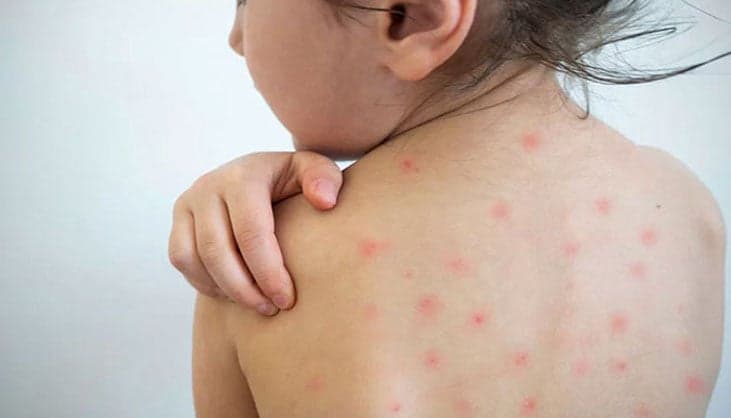

Concern is mounting across the country as measles infections surge among children, with reports indicating that more than 40 child deaths have occurred in different regions over the past two days.
Health experts warn that early detection and prompt treatment can significantly improve recovery outcomes. However, delayed care may lead to severe complications such as pneumonia, dehydration, or brain infections, increasing the risk of death.
Measles, a highly contagious viral disease, spreads rapidly through coughing, sneezing, or close contact with infected individuals. Unvaccinated children are at the highest risk.
According to the World Health Organization (WHO), the virus initially infects the respiratory system before spreading throughout the body.
Key Symptoms to Watch
Doctors say measles typically begins with clear symptoms within the first three to five days, including: High fever, cough, runny nose, red-watery eyes, general weakness.
Small white spots inside the mouth, known as Koplik spots, are a distinctive early indicator.
This is followed by a rash phase, where reddish spots appear behind the ears and spread to the face, neck, chest, back, and eventually the entire body. Fever may spike further during this stage.
Managing Fever and Hydration
Experts stress the importance of preventing dehydration, especially when children lose appetite. Parents are advised to provide: Water, oral rehydration solution (ORS), coconut water.
Children should be fed small, frequent meals such as rice, porridge, khichuri, soup, or other soft foods. Discontinuing food intake can worsen weakness.
Paracetamol may be administered based on age and weight to reduce fever, along with sponging using lukewarm water.
Eye and Skin Care
Measles can make the eyes highly sensitive. Cleaning with clean water or saline and keeping lighting dim can help reduce discomfort. Skin hygiene should be maintained, and children should be kept away from dust and smoke.
Importance of Vitamin A
Health specialists emphasize that Vitamin A supplementation plays a crucial role in reducing complications and mortality. However, it must be given under medical supervision.
Recommended doses:
Under 6 months: 50,000 IU
6–11 months: 100,000 IU
12 months and above: 200,000 IU
(Administered over two consecutive days)
Guidelines from the WHO and the Centers for Disease Control and Prevention support this approach.
What to Avoid
Do not stop feeding
Do not reduce fluid intake
Avoid giving antibiotics without medical advice
Keep children away from dust and smoke
Do not administer excess Vitamin A without consultation
Excess Vitamin A can lead to toxicity.
When to Seek Urgent Medical Care
Immediate hospital care is necessary if any of the following symptoms appear:
Difficulty breathing
Refusal to eat or drink
Lethargy or unconsciousness
Convulsions
Persistent high fever
Ear pain or discharge
Diarrhea or vomiting
Possible Complications
Common complications include:
Pneumonia (most dangerous)
Diarrhea
Ear infections
Brain infection (encephalitis)
Rarely, Subacute sclerosing panencephalitis
Experts note that pneumonia and severe dehydration are the leading causes of death in measles cases.
Prevention Remains Key
Vaccination remains the most effective protection against measles. The MMR vaccine is recommended at:
9 months
15 months
Infected children should be isolated for at least four days, while maintaining hand hygiene and avoiding crowded places.
Health officials stress that timely vaccination and awareness are critical to preventing further loss of life.
Leave A Comment
You need login first to leave a comment