

Narsingdi incident raises questions over girls’ safety at madrasas
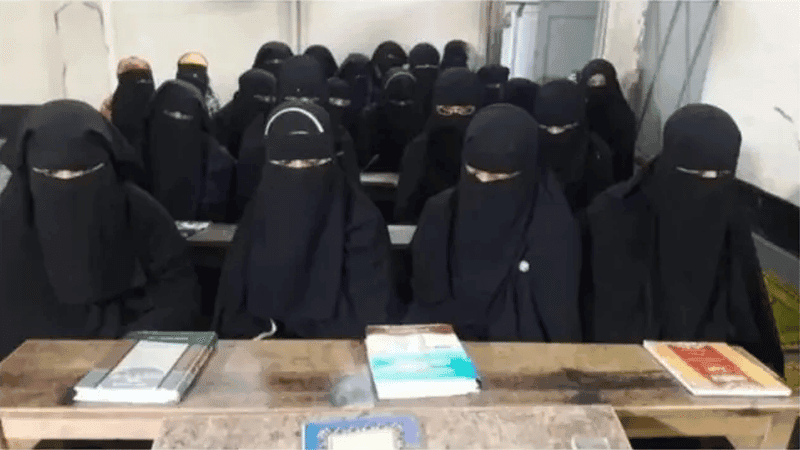

A fresh concern has arisen about the safety of girls' residential madrasas across the country, centered on the allegation of sexual abuse of a student at the residential Qawmi Madrasa in Raipura, Narsingdi. Recently, several such incidents have come to light, and those concerned are raising questions about the lack of supervision, accountability and security measures.
BBC Bangla reported that a case has been filed with the police station on the allegation of sexual abuse of a 10-year-old student at a residential madrasa in Hashimpur area of Raipura upazila. The accused teacher and the muhtamim are currently absconding. Police said that a drive is underway to arrest him.
Raipura Police Station Officer-in-Charge Md. Mojibur Rahman said that after the complaint, a medical report has been received and a drive is underway to arrest the accused.
The victim's family claims that the girl was admitted to the madrasa two months ago. After falling ill after the torture last Friday night, she was sent to a relative's house the next day. Later, when the matter came to light, the family admitted her to the hospital.
After the incident came to light, the madrasa was vandalized due to the anger of the locals. It is reported that the accused teacher fled at that time.
Similar allegations are increasing across the country
Recently, several allegations of sexual abuse in residential madrasas have come to light in different parts of the country. Action has been taken against teachers or those involved in similar incidents in Sirajganj, Chandpur and Kushtia.
The incident of a madrasa student being burnt to death in Sonagazi, Feni in 2019 has also come under discussion again, which brings to the fore the weakness of the security system in the madrasas.
Allegations of lack of supervision system
Experts say that since a large part of the Qawmi residential madrasas are run by private individuals, government supervision over them is limited. In many cases, these institutions are run under the sole control of the founder or owner.
While some madrasas under large boards are regularly inspected, there is almost no supervision in many small and local institutions.
There is also no clear information about the exact number of Qawmi madrasas in Bangladesh. Although the official figure was once said to be around 20,000, those concerned believe the actual number is much higher.
The upazila administration has said that regular inspections of girls' residential madrasas will be strengthened from now on. There are plans to increase supervision, especially through female officers.
However, a section of the administration admits that since they are religious institutions, they are sometimes wary of direct intervention so that no propaganda is spread.
According to researchers and Islamic analysts, such incidents can be reduced if strict monitoring, accountability, and awareness among teachers and guardians are increased.
They say that the responsibility for individual crimes should not be placed on the entire madrasa or religious education system; rather, strict action should be taken against specific offenders.
Child rights activists say that ensuring the safety of girls in residential educational institutions is an important responsibility of the state. For this, they are emphasizing mandatory registration, regular inspections, and making the complaint system accessible.
Leave A Comment
You need login first to leave a comment