
Policy approval for import of 14 LNG cargoes
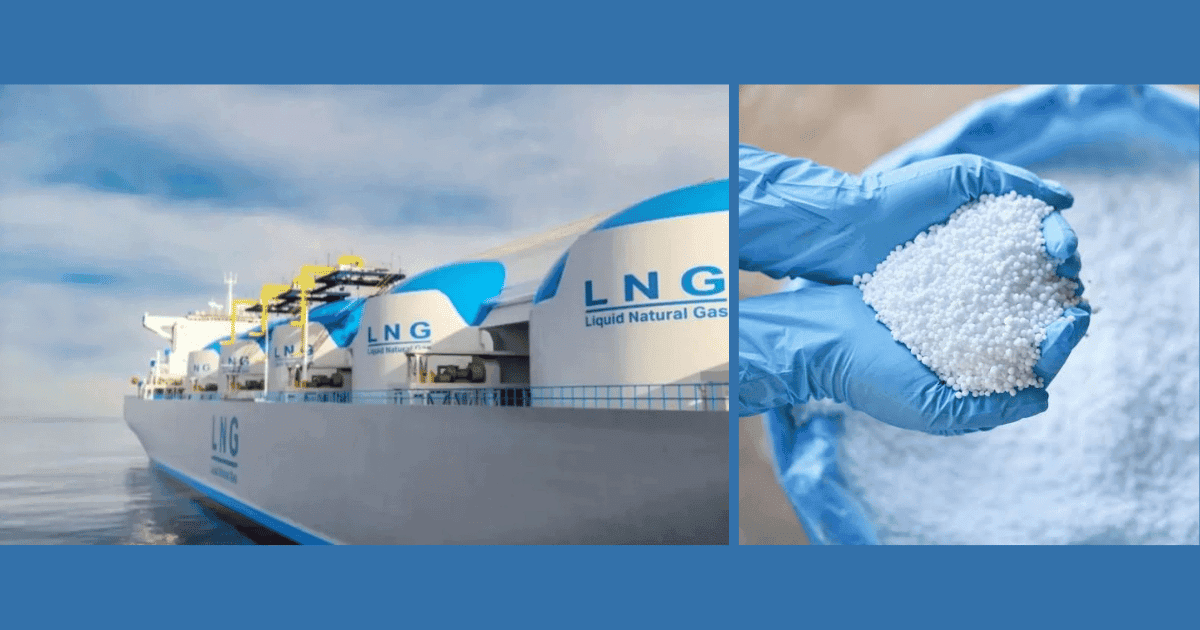

The Cabinet Committee on Economic Affairs has given policy approval for the import of 14 cargoes of liquefied natural gas (LNG) to maintain normal gas supply in the country. At the same meeting, proposals for the import of urea fertiliser, the purchase of driving simulators for technical training centres and the appointment of consultants for technical assistance at the Ghorashal-Palash urea fertiliser factory were also approved.
These decisions were taken at a meeting of the committee held under the chairmanship of Finance Minister Amir Khasru Mahmud Chowdhury on Wednesday (August 19). Considering national interest and the emergency situation, approval was given for the purchase of 14 LNG cargoes from seven organisations through the direct procurement method. The Energy and Mineral Resources Division presented the proposal in accordance with the relevant sections of the Public Procurement Act and Rules.
In addition, under the annual procurement plan for the 2026-27 fiscal year, approval was given for a contract related to the import of urea fertiliser by Bangladesh Chemical Industries Corporation (BCIC) with UAE-based Fertiglobe Distribution Limited. The decision was taken on the basis of a proposal from the Ministry of Industries.
As part of expanding technical training activities, the committee also approved a proposal to install 40 driving simulators at 40 technical training centres across the country under a project of the Bureau of Manpower, Employment and Training (BMET). These machines will be purchased through the direct procurement method under the Ministry of Expatriates’ Welfare and Overseas Employment.
Meanwhile, approval was granted for obtaining consultancy services from Japan’s MHI to provide technical assistance in the production and maintenance activities of the Ghorashal-Palash urea fertiliser factory. Consultants will be appointed through the single-source method under the second phase of the technical services contract.
Relevant quarters believe that these decisions will, on the one hand, strengthen initiatives to keep the country’s fuel and fertiliser supply systems operational and, on the other, ensure the development of technical training infrastructure and the necessary support for production and maintenance activities in important industrial projects.
Leave A Comment