

International Women's Day
Violence against women in Bangladesh
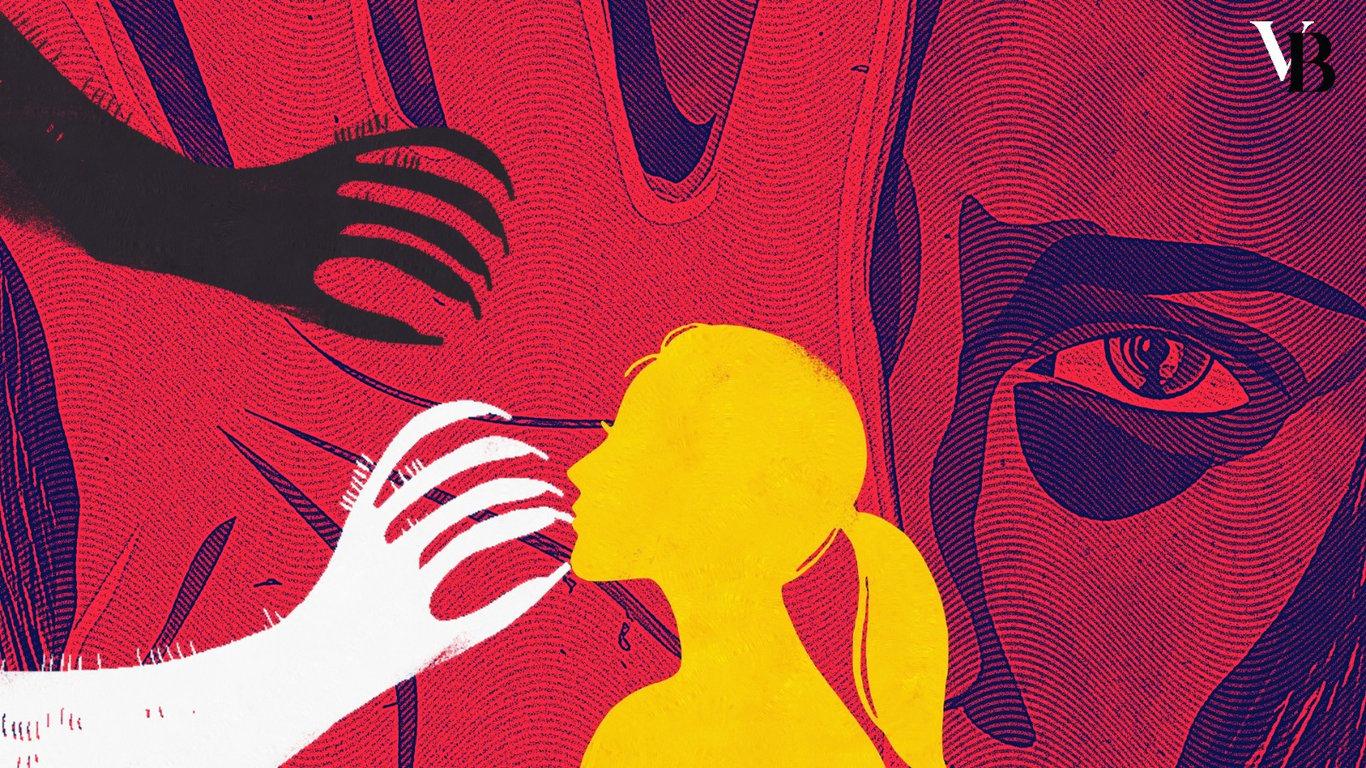

VIOLENCE against women and young girls in Bangladesh is a widespread concern for all. A significant number of women are experiencing various forms of violence, including intimate partner violence and sexual violence. In Bangladesh, 70 per cent of the women have experienced at least one form of intimate partner violence in their lifetime.
A large number of women in Bangladesh experience Intimate Partner Violence (IPV), with physical, emotional and controlling behaviors. About 30 per cent experience sexual violence at some point in their lifetime.
Media outlets in Bangladesh reported on July 09, 2025 that from January to June this year, 481 cases of rape against women and girls were reported in Bangladesh, with 345 of the victims being children. This figure is nearly as high as the total number of rape cases reported throughout 2024, which was 516.
Based on news reports, nearly 1,555 women and girls were victims of violence in the past six months (January to June 2025). Particularly those aged two to 18 are disproportionately affected by violence. The rates of violence against girls are especially high in cases of child marriage, sexual abuse, rape, and gang rape.
Among the rape cases reported during this period, 106 were gang rapes, and 17 victims were killed after the assault. Murder was the second most reported form of violence, with 320 women and girls killed. There were also 51 cases of sexual harassment and 34 incidents of stalking.
Violence against women and girls is rising steadily and becoming more visible in public spaces. Societal hostility towards women is being incited in various ways. Although laws exist to protect women’s rights, the law enforcement and implementation are often limited in practice, the reports added.
According to UNWOMEN, in Bangladesh, the average age of girl marriage was 15 years and 64 per cent of them were students during marriage. 2.26 per cent child marriage took place before 12 years of age. 55 per cent married women faced physical or sexual harassment in their lifetime. More than 80 percent of currently married women experienced at least once partner violence. It included physical, sexual, economic and controlling violence.
The experience of violence varies across regions and socioeconomic groups, with women in disaster-prone areas facing higher risks. Domestic violence, a common form of violence against women, is often underreported, indicating need for greater awareness and reporting mechanisms.
Studies show that climate change, environmental degradation, climate-migration, and COVID-19 pandemic exacerbated existing gender-based violence. It increased incidents of sexual assault, domestic violence and dowry-related violence.
Intimate partner violence
Risk factors for both intimate partner and sexual violence include: Lower levels of education; a history of exposure to child maltreatment; witnessing family violence; antisocial personality disorder; harmful use of drugs and alcohol; detrimental masculine behaviors, including having multiple partners or attitudes that condone violence; community norms that privilege or ascribe higher status to men and lower status to women; low levels of women’s access to paid employment; and low level of gender equality among others.
Factors specifically associated with intimate partner violence include: Past history of exposure to violence; marital discord and dissatisfaction; difficulties in communicating between partners; and male controlling behaviors towards their partners.
Factors specifically associated with sexual violence perpetration include: Beliefs in family honor and sexual purity; ideologies of male sexual entitlement; and weak legal sanctions for sexual violence. Gender inequality, both gender and social norms on the acceptability of violence are a root cause of violence against women.
Health consequences of intimate partner (physical, sexual and psychological) and sexual violence cause serious short- and long-term physical, mental, sexual and reproductive health problems for women. These also affect their children’s health and well-being. This violence leads to high social and economic costs for women, their families and societies.
Children who grow up in families where there is violence may suffer a range of behavioral and emotional disturbances. These can also be associated with perpetrating or experiencing violence later in life.
The social and economic costs of intimate partner and sexual violence are enormous and have ripple effects throughout society. Women may suffer isolation, inability to work, loss of wages, lack of participation in regular activities, limited ability to care for themselves.
Women's right for a safer life is human rights
Violence against women and girls is a human rights violation. So a comprehensive approach is needed that includes policy changes, community awareness programs, and support services for survivors.
One in three women worldwide experience physical or sexual violence, mostly by an intimate partner. Immediate and long-term physical, sexual, and mental consequences for women and girls can be devastating, including death.
Violence negatively affects women’s general well-being and prevents women from fully participating in society. It impacts their families, their community, and the country at large. It has tremendous costs, from greater strains on health care to legal expenses and losses in productivity.
Studies show that woman-to-woman suppression and violence in Bangladesh also exist. Equality of genders is not only an important social and moral issue, it is also desirable in order to protect fundamental human rights. It produces peaceful societies that maximize human potential, and further sustainable development. In today’s world, the topic of violence and suppression committed by women against other women is gaining attention. It is another kind of gender-based violence that has to be discussed in order to create a society where women and men are treated equally.
The problem of women oppressing other women and committing acts of violence against each other is closely connected to the goals of empowering women. Despite the fact that it has a huge effect on society, however, this issue is rarely discussed and unreported in Bangladesh. The patriarchal culture of Bangladesh and its predetermined social roles equip the country with all of those unequal power distributions. These are not only carried out by males but also by women.
Women’s rights to live free from violence is upheld by international agreements such as the Convention on the Elimination of All Forms of Discrimination against Women (CEDAW). And the 1993 United Nations (UN) Declaration on the Elimination of Violence against Women.
Only 40 per cent of women seek help of any sort after experiencing violence. So it requires to advocate for, and support women and girls’ access to quality, multi-sectoral services essential for their safety, protection and recovery.
In line with the Sustainable Development Goals (SDGs) — public-private partnerships with governments, UN agencies, development partners, civil society organizations (CSOs), NGOs, Media, women rights activists, and other key stakeholders to find ways for sustainable prevention of violence against women and girls. It is extremely important to immediately address girls and women’s safety and security, higher education, respectful relationships, women and men’s equality, equity, equal rights in decision-making, working with men, women, vulnerable and disadvantaged communities and women and children with disabilities as well.
Prevention is still the most cost-effective, long-term way to stop violence against women so that no woman is left behind and deprived of their human rights.
As part of a comprehensive approach, the Government and other actors should work together with partners to enhance cutting-edge research to explore and amplify better understanding of the nature, magnitude, and consequences of violence against women and girls. It helps the partners to understand what works and doesn’t work to address all forms of violence against women.
Laws in Bangladesh to reduce violence against women
There are several laws in Bangladesh to protect women from violence, including the Penal Code, the Dowry Prohibition Act, the Prevention of Oppression against Women and Children’s Act, and the Domestic Violence (Prevention and Protection) Act. These laws address various forms of violence, such as physical harm, assault, harassment, dowry-related violence, and other abuses. For example, Penal Code (1860); Dowry Prohibition Act (1980); Prevention of Oppression against Women and Children Act (2000); Domestic Violence (Prevention and Protection) Act (2010) among others.
These laws, along with constitutional provisions guaranteeing equality and protection under the law, form the legal framework for combating violence against women in Bangladesh. However, challenges remain in implementation and enforcement, requiring continued efforts to ensure women’s safety and access to justice.
So the authorities concerned must ensure: Enactment of a specific law on domestic violence; Proper implementation of the law; Dissemination of law; Creating awareness through public dialogue; Capacity building of the institutions and the professionals involved in implementation of law. Proper collaboration between government and non-government organizations is a must.
At a recently held event in Dhaka, Maria Stridsman, Head of Development Cooperation at the Swedish Embassy in Bangladesh, said, “Despite progress for women in Bangladesh, several challenges remain. According to the Global Gender Gap Report 2024, Bangladesh ranks 99th out of 146 countries, leading in South Asia but still facing critical gaps in economic participation, wage equality, and leadership opportunities. We must work towards ensuring a gender equal society, in which women, girls, men and boys are equally valued and have equal rights.”
The writer is an award-winning health climate change environment journalist, columnist and researcher. Email: parvezbabul@gmail.com
Leave A Comment
You need login first to leave a comment