
Retailers accuse BERC and LPG companies of creating an artificial shortage
Why does LPG shortage hit market before price hikes?
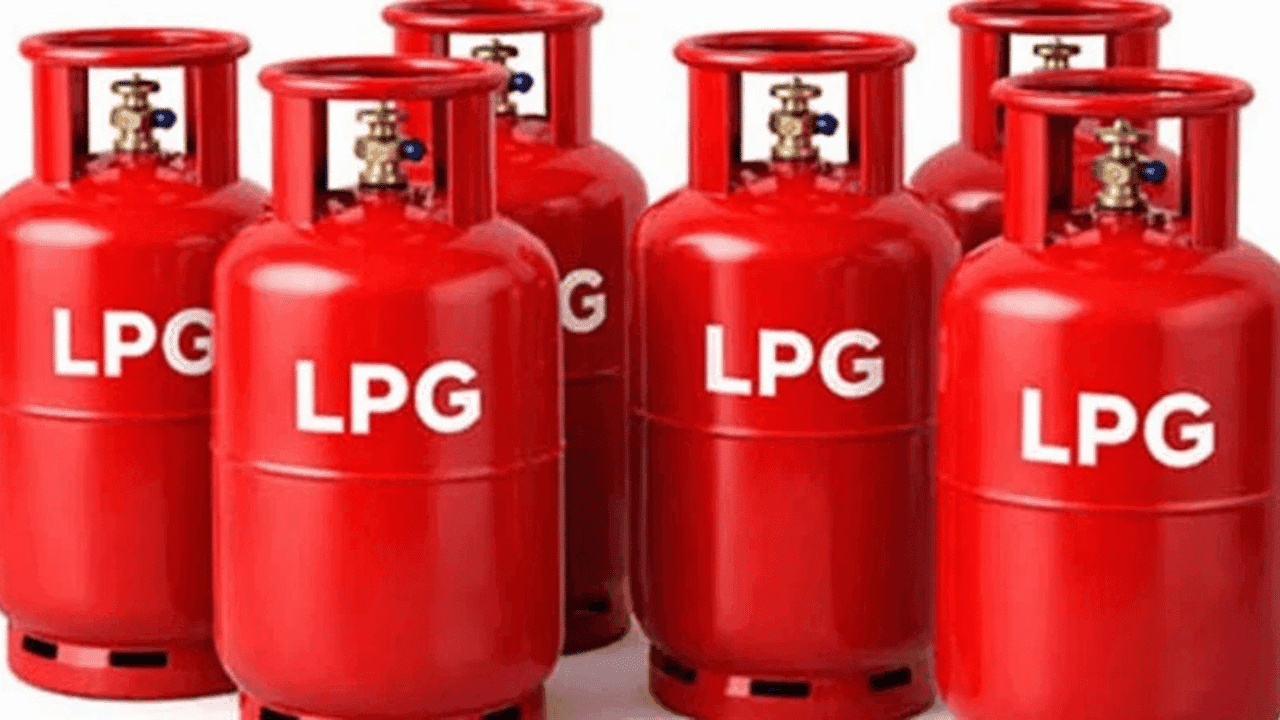

An artificial shortage of liquefied petroleum gas (LPG) cylinders appears to develop about two weeks before a new price hike is announced. Once the revised prices take effect, supplies return to normal.
Retailers allege that they receive less than half the number of cylinders they need in the weeks leading up to a price announcement, creating a supply crunch in the retail market. After prices rise, however, distributors resume supplying cylinders according to demand.
On October 4, the Bangladesh Energy Regulatory Commission (BERC) set the official price of a 12kg LPG cylinder at Tk 1,837, an increase of Tk 252 from September.
Earlier, on April 2, the price of a 12kg cylinder was raised by Tk 387 to Tk 1,728. A second increase of Tk 212 followed on April 19, taking the price to Tk 1,940. LPG prices fluctuated to some extent in the months before the October hike.
At least two weeks before the latest increase, consumers began facing shortages of LPG cylinders in the market. In Bogura, some consumers paid as much as Tk 550 above the official price to obtain a cylinder.
Consumers and retailers allege that LPG companies, in collusion with BERC, create artificial shortages before prices are raised. They claim that supplies are restored once the new prices take effect.
BERC chairman Jalal Ahmed did not initially respond to requests for comment on the allegations.
Interviews with several retailers in Bogura city revealed that they had been unable to obtain the quantities of LPG cylinders they needed from distributors before the latest price increase.
Rehan Hossain, a retailer in Bogura, said distributors had failed to meet their orders for about two weeks before the price hike.
During that period, he said, they received less than half the number of cylinders they required. The shortfall made it difficult to cover shop expenses, while many retailers were forced to raise their selling prices.
Retailers said that after the new price took effect, the distributor-level price of a 12kg Jamuna LPG cylinder rose to Tk 1,837. Supplies also returned to more normal levels.
The higher cost of LPG has directly affected household budgets.
Belal Hossain, a resident of the Bejora area of Bogura city, said he had asked his wife to cook on a traditional clay stove because he could no longer afford LPG cylinders at the prevailing prices.
He said he did not have enough money to pay so much for a cylinder. However, the price of firewood had also increased, adding to the family's financial pressure.
Retailer Rehan Hossain questioned why enforcement drives appeared to target small businesses rather than those allegedly responsible for manipulating supplies.
“Authorities come to our shops and fine us, even though we are not part of any syndicate. How many of those who create artificial shortages have actually been targeted in raids?” he asked.
Abhi Modak, an LPG distributor in Bogura city, denied that distributors illegally stockpiled cylinders.
“How would distributors secretly store LPG cylinders? People would know about it. The real problem originates with LPG companies and BERC,” he said.
Distributors and retailers alleged that LPG companies and BERC work together to create artificial shortages before the commission raises prices. They said the resulting disruption also puts distributors and retailers under pressure.
Interviews with consumers and retailers suggested a recurring pattern: supplies decline before price increases but return to levels closer to demand once the revised prices come into effect.
At least 10 retailers, including Rehan Hossain and Sumon Talukdar, described enforcement drives at their shops as little more than a public display. They alleged that district and upazila administrations were not targeting those they believed were involved in supply manipulation.
Aslam Khan, president of the Bogura District LPG Distributors Association, told Views Bangladesh that companies had cited delays in shipments as the reason for reducing supplies before the latest price increase.
“Before the latest price hike, companies told us that ships were stranded at sea and LPG shipments were being delayed. Using this as a reason, they reduced supplies. We depend on the companies. If supply remains normal, consumers will not face a shortage,” he said.
Saidul Alam Chowdhury, manager of Jamuna Oil PLC’s Bogura divisional sales office, told Views Bangladesh that supplies of Jamuna LPG sometimes declined, but not according to any fixed schedule.
“Supply may fall at different times. It does not happen at any specific time,” he said, adding that he was not authorised to comment further and that a designated official at the company’s head office handled such matters.
Mohammad Didarul Alam, BERC director and joint secretary responsible for petroleum, said the commission’s chairman would respond to questions on the issue. He said it was not his responsibility to comment and advised Views Bangladesh to contact the chairman.
Asked why LPG cylinders become scarce before prices rise, BERC chairman Jalal Ahmed told Views Bangladesh: “You cannot answer this question off the cuff. You have asked the question very simply, but providing a response is not that simple.”
He did not provide a substantive explanation for the reported pattern of shortages and subsequent restoration of supplies.
The allegations of collusion and deliberate supply manipulation remain unproven. However, the reported decline in supplies before price increases, followed by a return to more normal distribution once the new prices take effect, raises questions about market oversight, transparency in the LPG supply chain and BERC’s responsibility to protect consumers.
Leave A Comment