
Women’s inclusion in policymaking in Bangladesh’s RMG sector
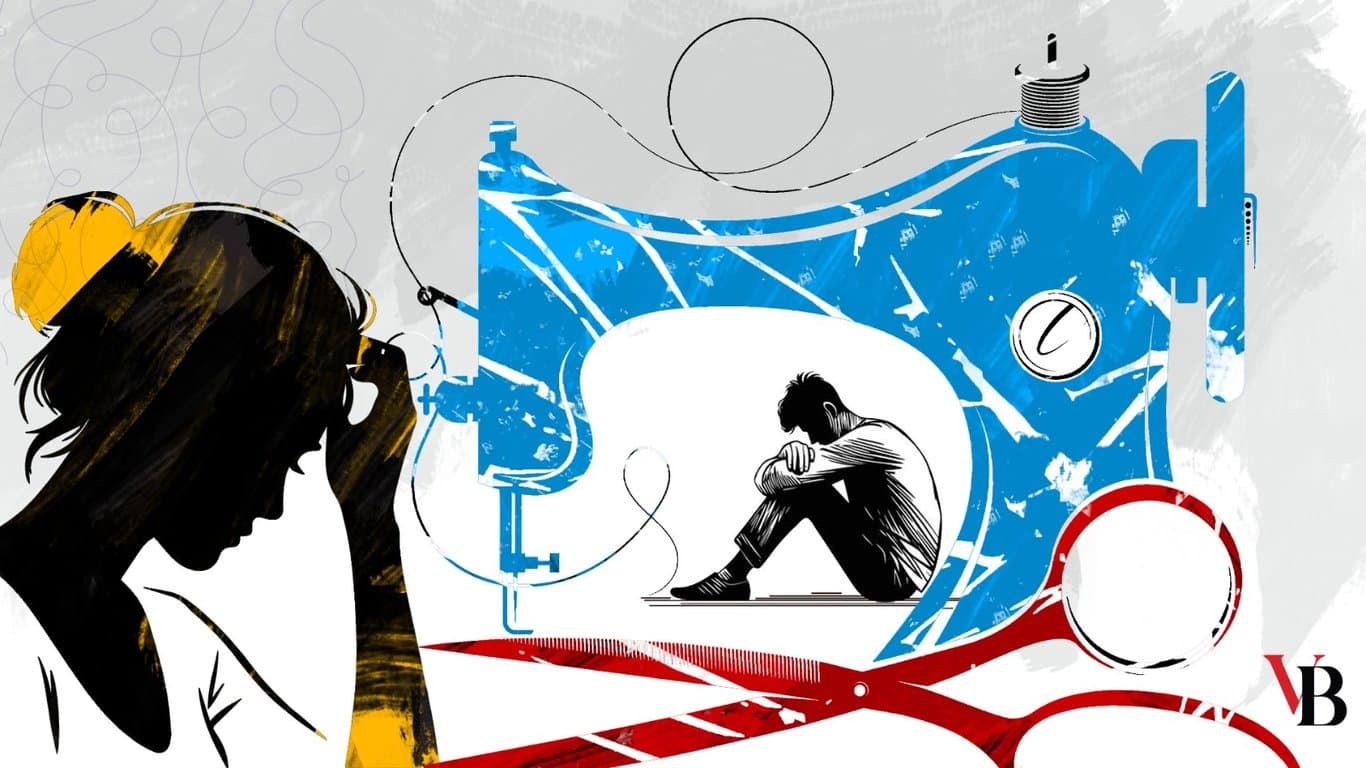

Experts say that leadership is shaped by learning and experience, but women also bring valuable natural leadership qualities to the workplace. Although the gender gap in leadership is gradually narrowing, a significant disparity remains. According to a 2025 Lean In study on women in the workplace, women hold only 21 per cent of C-suite positions.
Yet research suggests that women who reach leadership positions often excel, drawing on skills that are essential for effective management. Empathy, communication and active listening are among the qualities that can make women effective leaders.
In Bangladesh, women are the backbone of the ready-made garment (RMG) sector. However, despite their significant contribution to the industry, they continue to face challenges that limit their empowerment, career progression and well-being. Addressing these issues requires a comprehensive approach that improves working conditions, promotes gender equality and challenges entrenched social norms.
Bangladesh has nearly 5,000 RMG factories. The sector is the country's largest export earner, accounting for more than 80 per cent of total export earnings. Women make up an estimated 60–70 per cent of the workforce, yet many have limited access to education, information and opportunities to influence decisions about their working conditions.
The gender gap in representation
According to UN Women, the strength of Bangladesh's garment industry is fundamentally rooted in women's labour. Yet women remain significantly underrepresented in industrial relations, trade union leadership and collective bargaining.
For sustainable and equitable progress, industrial relations must evolve into a more inclusive system. Women should not be seen merely as members of the workforce; they must also be recognised as decision-makers, negotiators and advocates.
Women reportedly hold only about one per cent of factory leadership positions, less than 10 per cent of trade union leadership roles and fewer than five per cent of lead positions in collective bargaining agreement (CBA) negotiations.
Cultural norms and the fear of retaliation by management often discourage women from actively participating in or leading trade unions. Women also occupy only around 9–10 per cent of managerial, supervisory and technical positions. This underrepresentation can create a mismatch between workplace policies and women's actual needs.
Safety and Rights Society (SRS), a non-profit organisation working to promote workers' safety and rights in Bangladesh, believes that women's participation in policymaking must go beyond symbolic representation.
Sekender Ali Mina, executive director of SRS, said: “Women workers and leaders should be meaningfully included in Bangladesh's policymaking process by moving beyond symbolic representation to ensure their effective participation in decision-making at every level. SRS believes that women workers, particularly those in the RMG, construction, leather, domestic work and informal sectors, must have direct representation in policy consultations, tripartite dialogue, labour law reform, occupational safety and health committees, just transition and social protection mechanisms.”
Various studies and policy recommendations have highlighted the need for measures such as mandatory 30 per cent female representation on trade union and collective bargaining boards. Other proposals include improved workplace childcare facilities, legally enforced anti-harassment committees and structured technical reskilling programmes to protect women from displacement caused by automation.
Cultural expectations, caregiving responsibilities and workplace discrimination continue to restrict women's advancement. Across Bangladesh's major industries, women play a vital role, but their presence in leadership remains disproportionately low.
Women have long participated in labour movements, working in factories, organising protests and demanding fair treatment. However, when formal industrial relations systems emerged in the early 20th century, women were largely excluded from leadership and decision-making. Addressing this historical imbalance is essential to building inclusive and resilient industrial relations.
“Women remain heavily concentrated in low-grade operational roles, with limited representation in policymaking, union leadership and management. The government should institutionalise consultations with women's organisations and trade unions to ensure women's representation in relevant policymaking bodies. It should also provide leadership development, policy literacy and negotiation skills training to strengthen their voices,” Sekender Ali Mina added.
Over time, women's rights activists and labour researchers have pushed for change, contributing to gradual reforms such as gender-sensitive labour laws, maternity protections and greater inclusion of women in trade union structures. However, many industrial relations systems continue to reflect longstanding gender inequalities. This is particularly evident in the garment sector, where women constitute the majority of workers but remain underrepresented in leadership.
Professor Dr Rebeka Sultana of the Department of Women's and Gender Studies at the University of Dhaka said: “Bangladesh's ready-made garment (RMG) sector is an important driver of economic growth. From an industry that generated a few million dollars in export earnings in the 1970s, it has grown into an industry worth more than US$30 billion, accounting for a major share of the country's export revenue. Its growth has created significant employment opportunities. However, policies and institutional frameworks still have significant gaps in women's representation, career progression and working conditions.”
The challenges and the way forward
Despite progress, invisible barriers continue to obstruct women's leadership in the RMG sector. Social norms often silence women's voices in workplace discussions, while assertiveness can be perceived as defiance. Trade union spaces remain male-dominated, with decisions frequently made without women at the table. Even where gender quotas exist, weak enforcement can reduce representation to a symbolic exercise.
These barriers are not merely structural; they are deeply embedded in institutional practices and social attitudes. Overcoming them requires more than policy reform. It demands a fundamental shift in mindset.
To build a fairer and more resilient RMG sector, all stakeholders must take concrete steps towards gender inclusion. The ILO's Action Plan for Gender Equality 2022–2025 emphasises that achieving gender equality in the world of work requires equal participation and representation in decision-making processes, including within trade unions and industrial relations structures.
Although the ILO does not prescribe a universal gender quota, several gender-equality frameworks, including the UN System-wide Action Plan on Gender Equality and the Empowerment of Women (UN-SWAP) and the Beijing Platform for Action, support efforts to increase women's representation in decision-making. A 30 per cent threshold is often cited as a benchmark for meaningful inclusion.
A harmonious industrial environment is one in which every voice matters. That must include the voices of women. As Bangladesh's RMG sector matures, inclusive industrial relations are not simply a social objective; they are a strategic necessity.
Empowering women in dialogue and leadership roles can enrich decision-making, reduce workplace conflict and help build a fairer, more resilient industry.
Sekender Ali Mina further said: “Labour rights, workplace safety, legal support and policy advocacy demonstrate the importance of connecting workers' lived experiences with research, evidence and concrete policy recommendations. Accessible consultation processes, gender-responsive budgeting, sex-disaggregated data and effective mechanisms to address workplace harassment and discrimination are also essential.”
The RMG sector is a lifeline of Bangladesh's economy. Addressing the challenges faced by women workers is not only a matter of social justice but also essential for the sustainable growth of the industry and the country's wider economy.
“Equally important is creating opportunities for women leaders from informal and digital platform-based work to influence decisions that affect their livelihoods. Women workers should not merely be consulted after policies have been drafted. They must be recognised as equal partners in identifying problems, shaping policy priorities, monitoring implementation and holding institutions accountable,” Sekender Ali Mina concluded.
Bangladesh has strong laws to protect workers' rights, but implementation remains weak. Awareness-raising programmes must be carried out in a coordinated manner, with the meaningful involvement of all key stakeholders.
Parvez Babul is a journalist, opinion columnist and researcher. Email: parvezbabul@gmail.com
Leave A Comment