
13 lakh people affected by floods, landslides in 7 Chattogram districts: Report
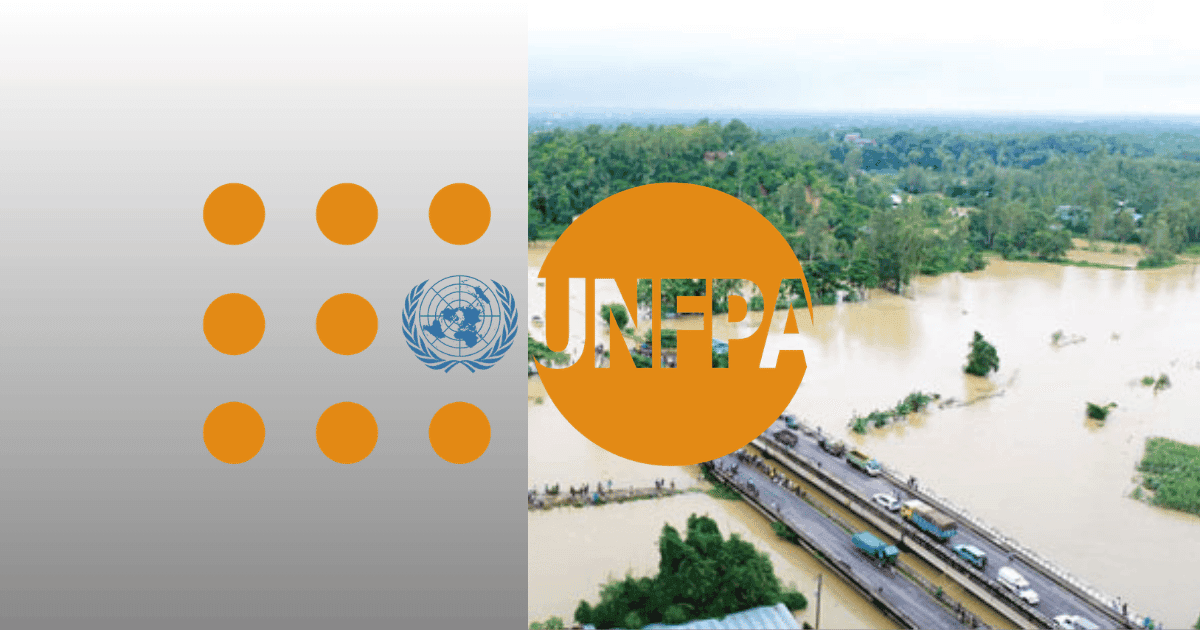

The flood and landslide situation in seven districts of the Chattogram division has created a severe crisis, affecting at least 13 lakh people, according to a UNFPA report. Among them are 117,000 adolescent girls and 17,490 pregnant women.
The United Nations Population Fund (UNFPA) published a situation report on the disaster on Tuesday (August 19). It said the Rohingya camps in Cox's Bazar have also suffered extensive damage, with approximately 43,000 people affected by the floods. Of them, 9,707 have been newly displaced. Around 15,600 persons with disabilities and nearly 200 members of the hijra community are also in serious crisis.
The UNFPA identified Bandarban as the most vulnerable district in the disaster situation. According to the agency's estimates, about 5,500 pregnant women are stranded in remote, flood-affected areas of the district. Due to damaged communication infrastructure in the hilly region, it has become difficult to transport them to hospitals on an emergency basis.
Meanwhile, health and protection services in the Rohingya camps of Cox's Bazar have also been disrupted. Two women-friendly centres and four health facilities have been flooded. Overcrowding in temporary shelters, lack of adequate lighting, limited privacy and insufficient separate sanitation facilities have increased safety risks for women and adolescent girls.
The UNFPA said economic pressure, alongside the disaster, has further complicated the situation, raising concerns over increased risks of child marriage and child labour. So far, 1,018 women have received healthcare services, while 4,500 dignity kits and 1,951 menstrual hygiene supplies have been distributed.
However, the agency requires significant additional funds to continue emergency services. The report said that against the required $966,930, only $130,330 has been received so far, leaving a shortfall of $836,600 — about 87 percent of the total need. The UNFPA has called for urgent funding to sustain emergency maternal and reproductive health services, restore damaged communication systems, ensure safe shelter and address the financial gap.
Leave A Comment