
45% of Bangladeshi infants still missing out on adequate breastfeeding
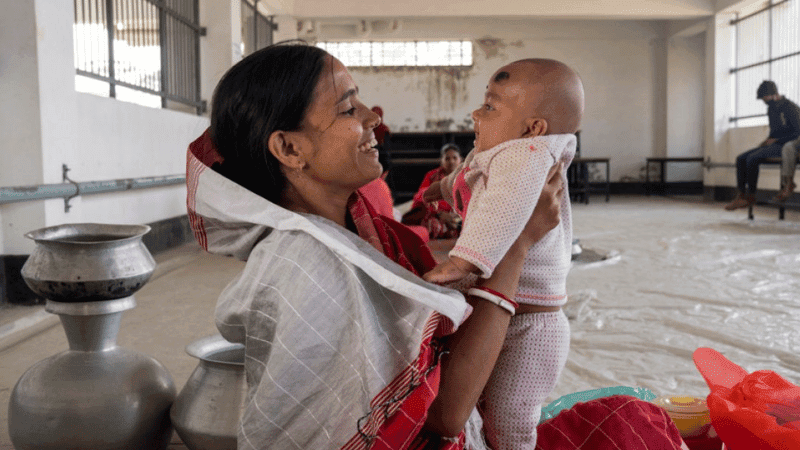

The rate of exclusive breastfeeding among infants in their first six months has declined worryingly in Bangladesh, with only 55 percent of babies now receiving breast milk alone during this critical period, leaving 45 percent without adequate access.
The findings were shared at a seminar held to mark World Breastfeeding Week, where experts noted the rate stood at 65 percent in 2017-18.
Bangladesh, once ranked first among developing countries on this indicator in 2020, has since slipped to sixth place.
Experts said the decline should not be attributed to mothers themselves. Instead, they pointed to a lack of adequate support at hospitals and clinics, insufficient post-operative care following caesarean deliveries, inadequate maternity leave, and the absence of supportive workplace environments as the key drivers behind falling breastfeeding rates.
They stressed that breast milk alone is sufficient for infants during the first six months of life and effectively functions as a child's first vaccine — a point that has gained renewed urgency following the recent measles outbreak.
Citing its own observations, the Bangladesh Breastfeeding Foundation (BBF) told the seminar that despite the existence of the Breast-Milk Substitutes Act 2013 and its accompanying 2017 regulations, enforcement remains weak.
The foundation found that most hospitals lack functional breastfeeding corners, child-friendly hospital committees remain largely inactive, and alternative infant formula continues to be promoted in many hospitals.
It also noted that pharmacies and online platforms are marketing and selling infant formula in violation of the law.
Experts said breastfeeding within the first hour of birth can lower a newborn's risk of death by around 31 percent, while children who are breastfed regularly face significantly reduced risks of death from diarrhoea, pneumonia and malnutrition.
They further called for coordinated efforts among hospitals, families, workplaces and the government, alongside strict enforcement of existing laws and regular monitoring, to reverse the declining trend.
Leave A Comment