
690 RMG factories halt production as violence drags on for 3rd day
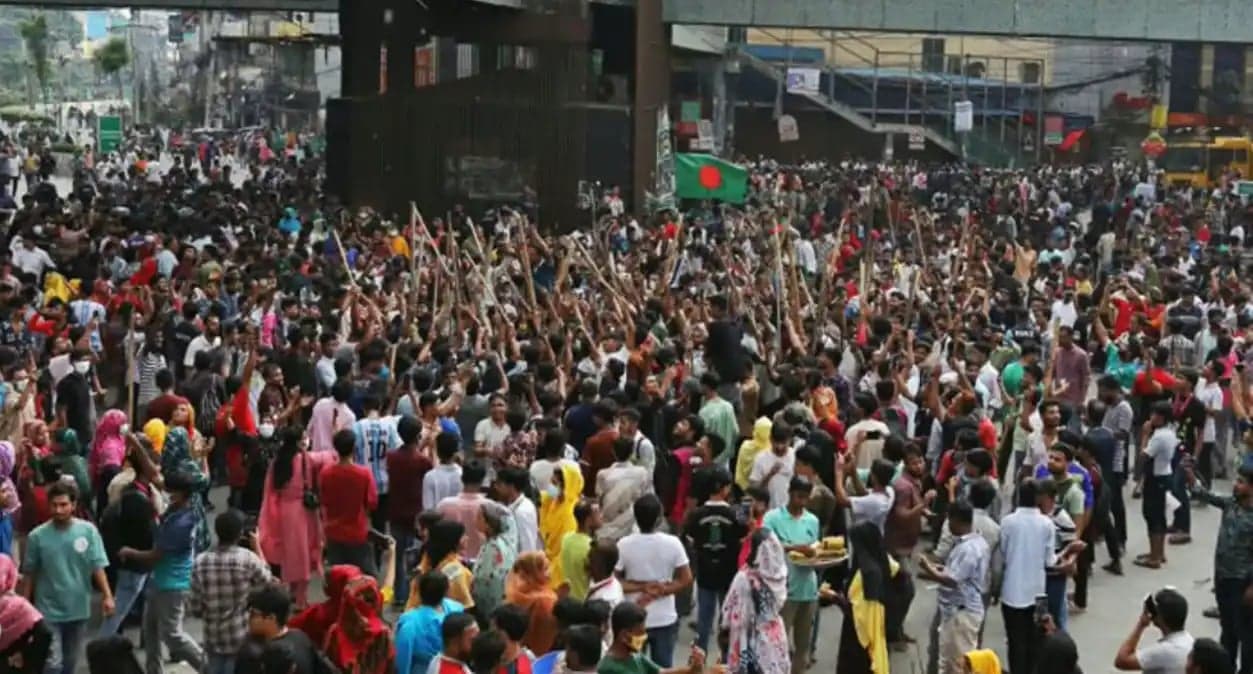

Labour unrest in Bangladesh’s garment sector continued for a third consecutive day on Monday, November 2, with production suspended at at least 690 ready-made garment factories amid protests, work stoppages and fears of attacks and vandalism, despite the government’s formation of a wage board to determine minimum wages. More than 1.7 million workers are employed at the affected factories, according to industry associations.
With production remaining suspended for an extended period, exporters are increasingly concerned about meeting delivery deadlines for international buyers. Factory owners also fear that prolonged disruptions could make it difficult in the coming months to pay workers’ wages and allowances, repay bank loans and cover other operating expenses.
The unrest has emerged at a crucial time for the garment industry, when manufacturers are seeking new export orders. Foreign buyers and representatives of international brands are also closely monitoring the situation. A prolonged shutdown could affect not only export operations but also the global reputation of Bangladesh’s garment industry.
Workers’ protests and road blockades disrupted traffic in several industrial areas, including Dhaka, Narayanganj, Gazipur, Savar and Ashulia. To restore normalcy, the home minister, labour minister, worker representatives, garment factory owners and senior law enforcement officials held several meetings.
At the meetings, the government urged factory owners to keep their facilities operational, while the owners called for stronger security at their factories. The Home Ministry has taken steps to collect CCTV footage from affected factories to identify those involved in attacks, vandalism and arson.
Mohammad Hatem, president of the Bangladesh Knitwear Manufacturers and Exporters Association (BKMEA), said factory owners had been instructed at a meeting with the home minister to keep their factories open. He said further decisions would be taken after assessing the situation on Tuesday.
He added that if workers failed to return to their jobs or further attacks took place at factories, the owners would discuss the situation and decide on the necessary measures.
Hatem also said factory owners could consider shutting down their facilities indefinitely under Section 13(1) of the Labour Act if the situation did not improve.
According to Mizanur Rahman, vice-president of the Bangladesh Garment Manufacturers and Exporters Association (BGMEA), production was suspended at 670 member factories because workers did not report for duty. Around 1.68 million workers are employed at these facilities.
Meanwhile, BKMEA estimated that production had also stopped at around 20 factories in Narayanganj, affecting more than 50,000 additional workers. Combined figures from the two associations put the total number of factories affected at at least 690.
Regionally, Gazipur and Mymensingh were the worst affected, with production halted at 382 factories employing around 900,000 workers.
Production was also suspended at 223 factories in Ashulia and Zirabo in Savar, 65 factories in Mirpur in the capital, and around 20 factories in Narayanganj.
BKMEA Executive President Fazle Shamim Ehsan said several large factories in Narayanganj had also been forced to suspend production.
Leave A Comment