
ADAB calls for coordinated efforts to eradicate poverty
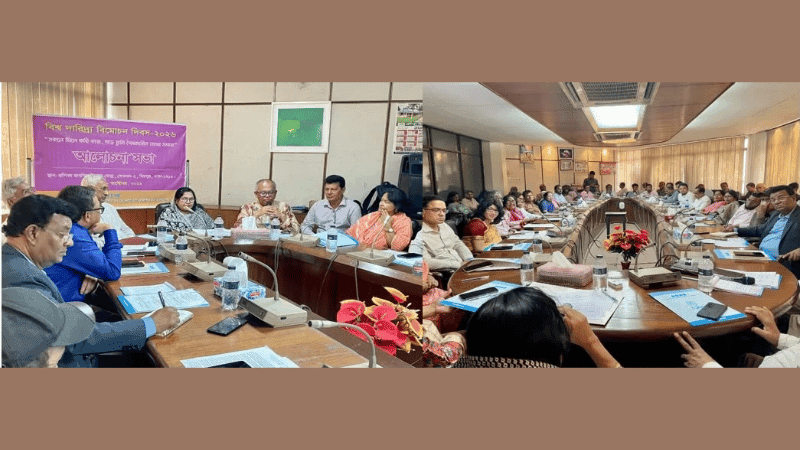

The Association of Development Agencies in Bangladesh (ADAB) has organised a discussion marking the International Day for the Eradication of Poverty, with speakers calling for coordinated action by the government, non-governmental development organisations, donors, civil society and the media to tackle rising poverty.
Participants said poverty in Bangladesh was being exacerbated by a lack of employment opportunities, high inflation, corruption, climate change and global conflicts. They stressed that a coordinated approach involving all relevant stakeholders was essential to address the situation.
The discussion was held on Sunday (October 18) at the conference room of the Proshika Manobik Unnayan Kendra in Mirpur, Dhaka. Rokeya Jahan Reba, president of ADAB’s Dhaka metropolitan chapter, chaired the event, while ADAB Chairperson Anwar Hossain attended as the chief guest.
Special guests included Abdul Awal, executive director of Noakhali Rural Development Society (NRDS); Maria Salam, news editor of Views Bangladesh; A.F.M. Munjurul Haque, former chief scientific officer of the Soil Resource Development Institute; and Kazi Julfikara Begum Pushpa, director of Proshika Manobik Unnayan Kendra.
ADAB Director of Programmes Md Kawsar Alam (Kanak) presented the keynote paper. Mahbub Elahi, executive director of Development Wheel; Shah Abdus Salam, ADAB treasurer; and Syeda Shamima Sultana, a member of its executive council, took part in the discussion.
ADAB Executive Director AKM Jasim Uddin moderated the session and presented a summary of the discussion.
Around 60 representatives of civil society, media organisations and non-governmental development agencies attended the event.
Speakers said a range of factors were making poverty more complex, including a shortage of jobs, limitations in ensuring the rights of persons with disabilities, corruption, global conflicts, soil pollution, adulterated food, river erosion, cyclones, drought and the effects of climate change.
Citing a World Bank report, they said Bangladesh’s poverty rate stood at 21.4% in 2025, while the extreme poverty rate was 9.35%. They also noted that high inflation was eroding people’s real incomes and purchasing power.
The speakers called for changes in government policies, stronger advocacy at the policymaking level and coordinated initiatives to reduce poverty. They emphasised the need to improve agriculture, education and healthcare, promote climate-resilient farming, encourage women entrepreneurs and develop a skilled workforce.
They also stressed the importance of ensuring children’s education and nutrition, improving agricultural practices and management, expanding social protection programmes, strengthening women’s economic empowerment, ensuring access to safe and unadulterated food, and increasing income-generating opportunities.
The speakers urged ADAB to play a more active role in coordinating efforts among non-governmental development organisations working to eradicate poverty.
They said Bangladesh must strive to build a country where no child goes hungry or remains deprived of education.
Leave A Comment