

Advisory Council approves ordinances on disappearance, haor conservation
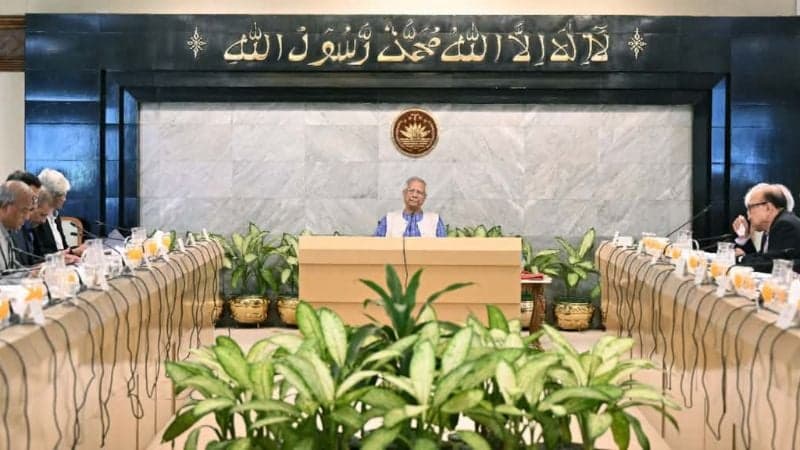

Bangladesh’s Advisory Council approved sweeping new ordinances aimed at addressing enforced disappearances and protecting the country’s fragile haor and wetland ecosystems, marking a major policy shift under the interim administration led by Chief Adviser Dr. Muhammad Yunus.
At its weekly meeting on Thursday (December 18), the council gave both in-principle and final approval to the draft Prevention and Remedy of Enforced Disappearance (Amendment) Ordinance, 2025. Under the revised law, a tribunal will be empowered to formally declare a person “disappeared” if they remain missing for at least five years without returning alive.
The ordinance also strengthens victims’ access to justice. The government will be able to appoint an adequate number of public prosecutors to the Enforced Disappearance Prevention and Remedy Tribunal based on recommendations from the National Human Rights Commission.
Victims or complainants may appoint private lawyers, while the spouse or dependent family members of a disappeared person will be allowed to use the victim’s property without prior commission approval.
In a parallel move, the council approved the Bangladesh Haor and Wetlands Conservation Ordinance, 2025, aimed at safeguarding one of the world’s most unique freshwater ecosystems. The haor regions face mounting threats from unplanned embankments, disrupted river flows, excessive pesticide use and unregulated tourism, alongside a long-standing lack of legal protection.
The new ordinance clearly defines the authority and mandate of the Haor and Wetlands Development Department, provides for the declaration of protected haor and wetland areas, criminalises prohibited activities, and introduces penalties for violations. It also makes consultation with the department mandatory for development projects in wetland areas, with provisions for inter-agency coordination and community participation in conservation efforts.
The meeting also approved the establishment of a new Bangladeshi embassy in Bern, expanding the country’s diplomatic footprint in Switzerland. Until now, Bangladesh’s permanent mission in Geneva has handled both UN and bilateral affairs. Switzerland is a key development partner, and the new embassy will initially operate with an ambassador, a first secretary and supporting staff. Bangladesh currently maintains 82 missions worldwide.
Separately, the council discussed the critical health condition of Sharif Osman Hadi, a frontline figure of the July mass uprising and Spokesperson of Inqilab Mancha. Singapore’s Foreign Minister Dr Vivian Balakrishnan has been in regular contact with the chief adviser, while a senior Bangladeshi foreign ministry official is now in Singapore overseeing Hadi’s treatment.
The council also expressed appreciation to the Ministry of Liberation War Affairs for organising Victory Day commemorations “with dignity and success” this year.
Leave A Comment
You need login first to leave a comment