
Antimicrobial resistance could kill 39 million people over 25 years: WHO
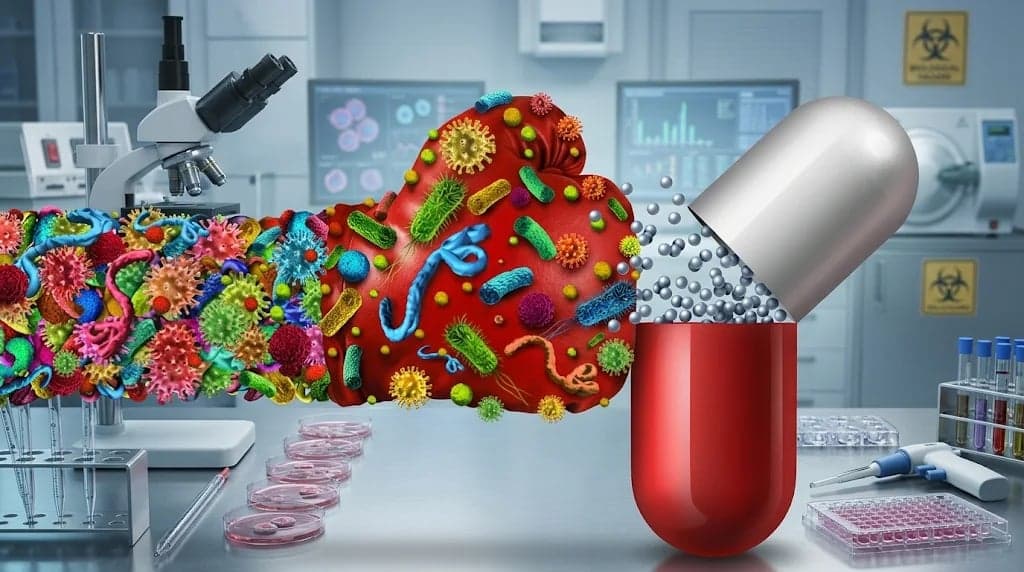

Nearly 39 million people worldwide could die over the next 25 years as medicines used to treat infections, including antibiotics, become less effective, the World Health Organization (WHO) has warned. The agency cautioned that antimicrobial resistance could make medical procedures ranging from routine surgery to childbirth increasingly risky.
WHO officials said on Monday (November 16) that global progress in tackling antimicrobial resistance (AMR) remained slower than expected. They stressed the need for rapid and accurate detection of pathogens, infection prevention and the responsible use of medicines in accordance with medical advice.
Jean-Pierre Nyemazi, acting director of WHO’s Antimicrobial Resistance Division, said resistance to antibiotics was spreading rapidly, threatening modern healthcare systems.
He said the crisis was less visible than the COVID-19 pandemic, but people had been dying for years as medicines gradually lost their effectiveness. Raising global awareness of the problem was therefore essential, he added.
According to WHO data, more than one million people died directly in 2021 because of resistance to antibiotics and other antimicrobial medicines. The problem was also associated with nearly 4.7 million deaths that year.
After reviewing the situation in 183 countries this year, WHO found that nearly 90% had national action plans to tackle antimicrobial resistance, up from 40% in 2017. However, despite having plans in place, only 42 countries had allocated funding for their implementation and established mechanisms to monitor progress.
WHO official Prabhasha Prakash said countries needed to take faster and more effective action to meet the targets set for 2030.
According to WHO data for 2023, antibiotics used to treat one in every six laboratory-confirmed bacterial infections were ineffective.
To address the crisis, WHO has issued two new guidelines on infection diagnosis. The agency said reducing the risk of antimicrobial resistance required infection prevention, vaccination, access to safe water and improved sanitation, as well as avoiding antibiotic use without medical advice.
Leave A Comment