
Bangabandhu’s role in 1971 was undeniable, unparalleled: Asif Nazrul
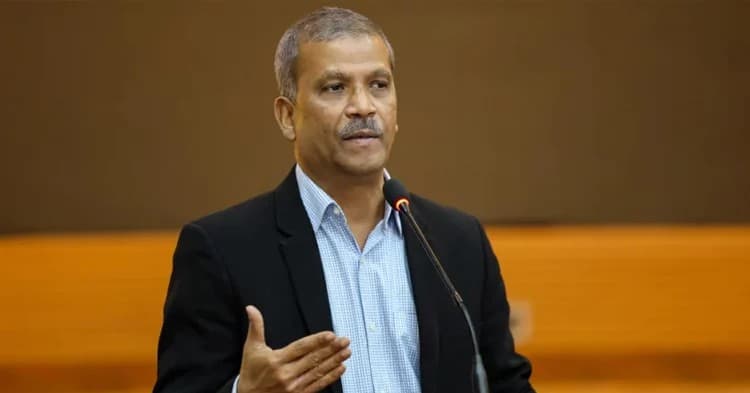

Former interim government Law Adviser Asif Nazrul has said Bangladesh might not have achieved independence in 1971 had Bangabandhu Sheikh Mujibur Rahman not been born, describing his role in the country’s struggle for self-rule and independence as “undeniable and unparalleled.”
In a Facebook post on Saturday (August 15), marking the anniversary of Bangabandhu’s death, Nazrul said Sheikh Mujibur Rahman played a historic role in Bangladesh’s political struggle from 1948 to 1971 and was the architect of the country’s independence.
Nazrul said Bangabandhu’s long involvement in the struggle for independence and self-determination provided sufficient grounds for people to remember him with respect and affection.
He also pointed to Bangabandhu’s commitment to democracy, economic emancipation and political dissent during the struggle, saying such commitments were reflected in the records of the Constituent Assembly debates, including those up to November 4, 1972.
However, Nazrul criticised Bangabandhu’s performance in governing the country after independence. He acknowledged that running Bangladesh after the 1971 Liberation War was exceptionally difficult but said those circumstances could not justify what he described as the gradual authoritarian turn of Sheikh Mujibur Rahman’s rule.
The former law adviser said the realities of famine, indiscriminate killings and the establishment of one-party rule during Bangabandhu’s tenure could not be overlooked.
Despite those negative aspects of his post-independence rule, Nazrul said many Bangladeshis continued to love and respect Bangabandhu because of his longstanding role in the independence struggle. “I am one of them,” he said.
Turning to Sheikh Hasina’s rule, Nazrul accused the former prime minister of using her father’s political legacy extensively to consolidate her own rule. He described her government as an example of what he called “identity-based fascism” and said her political use of Bangabandhu’s legacy ultimately contributed to portraying him as an opponent of the July mass uprising.
Nazrul said Bangabandhu had suffered a “second death” during Sheikh Hasina’s rule, arguing that this was largely a consequence of her actions.
Recalling the killing of Bangabandhu and most members of his family on August 15, 1975, Nazrul described Saturday as the anniversary of his “first death” and ended his post by expressing his affection for Bangabandhu and praying for his soul.
Leave A Comment