
Bill passed in parliament ensuring lifelong possession rights of parents after property donation
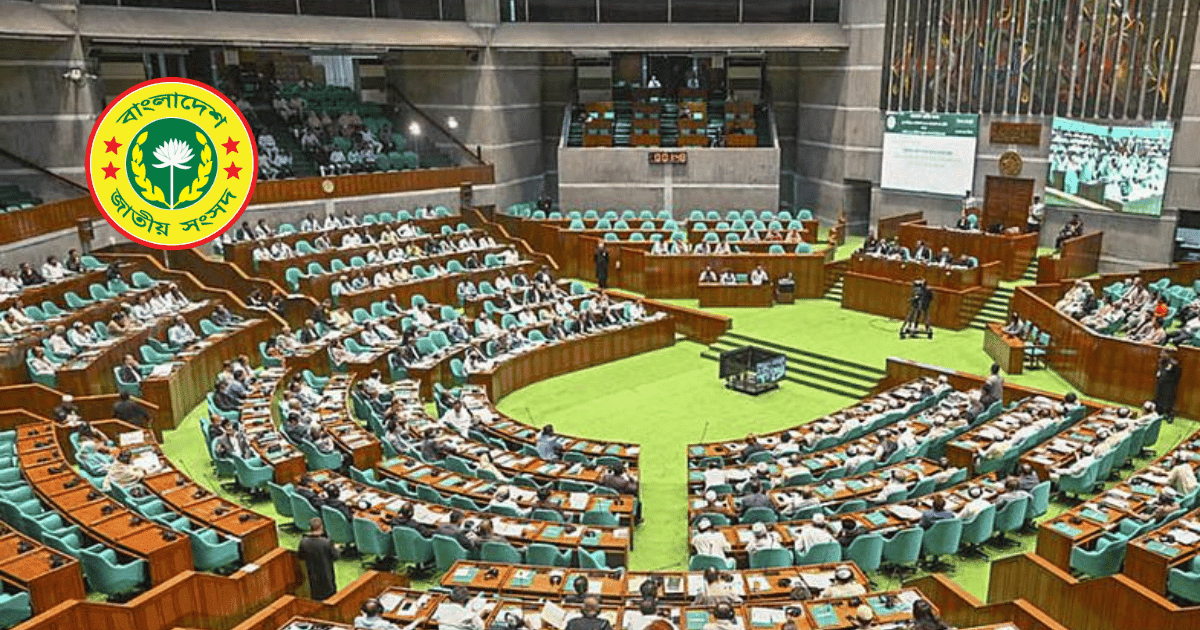

The National Parliament has passed the ‘Transfer of Property (Amendment) Bill, 2026’ to prevent incidents of elderly parents being pressured into transferring property or being forced out of their homes after losing ownership. Under the new provision, parents will be able to retain the right to enjoy and possess the property during their lifetime even after donating it in the name of children or grandchildren.
The bill was passed by voice vote in parliament on Sunday (September 6). However, there was prolonged debate in the session over various provisions of the bill. Opposition members expressed concern that this system of transferring property while retaining lifelong possession rights may conflict with the provisions of heba, miras and inheritance under Muslim law. For this reason they demanded further verification of the bill by taking opinions from the Islamic Foundation, Fatwa Board and Sharia experts.
In the speeches of opposition members it came up that many parents become helpless in old age after transferring their life’s accumulated property in the names of children due to emotion, pressure or deception. Some are even forced to leave their homes or go to old-age homes in such situations. While acknowledging the necessity of the law to prevent these incidents, opposition members said social security must be ensured without creating conflict with the fundamental principles of religious and family laws.
Several members of parliament particularly mentioned that the issue of transfer of possession or ‘kabja’ of the property is important for completion of heba under Muslim law. According to them, it is necessary to verify through experts how consistent it is with the conventional heba system if the donor retains lifelong possession of the property even after donation. On this ground the opposition proposed sending the bill for public opinion verification until October 20.
In reply, Md Asaduzzaman, Minister for Law, Justice and Parliamentary Affairs, said there is no conflict between the new law and Sharia law. He said the proposed system will be effective as a separate method of property transfer. Conventional heba, ordinary donation or other Sharia-based transfer systems will not be cancelled, limited or affected by it. The law minister further said the existing law has various methods of property transfer such as sale, mortgage, lease, exchange and donation. The new provision is being added as an independent system outside these.
Through the bill, a new provision has been added to the Transfer of Property Act of 1882 recognising the donor’s lifelong right to possession in cases of property donation among specified blood relatives and husband and wife. A registered deed will be required for transferring immovable property in this manner. Parents will be able to give such property to children or grandchildren and grandchildren will also be able to give such property to parents, paternal or maternal grandparents. In the same way property can be transferred between husband and wife under this method. The donor’s right to possession will remain intact even if the recipient dies while the donor is alive.
The law has also kept the scope for changing or withdrawing the right to possession through a registered deed with mutual consent of the donor and recipient in special situations. If any party is a minor, missing, mentally ill or legally incapable, necessary measures can be taken with the approval of the court. From the government side it has been said that the new system will be equally applicable to people of all religions and will be effective as a separate method of property transfer, not as an alternative to conventional donation or heba systems.
After the law minister’s speech, the opposition’s proposals for public opinion verification were rejected by voice vote. Thereafter when the proposal for passage of the bill was raised, it was also passed by voice vote. Earlier the law minister had introduced the bill on the first day of the third session of the National Parliament on August 27. Later the standing committee related to the Ministry of Law, Justice and Parliamentary Affairs had examined the bill and recommended its passage in a revised form.
Leave A Comment