
Bogura records 1,162 dengue cases, one death in 10 months
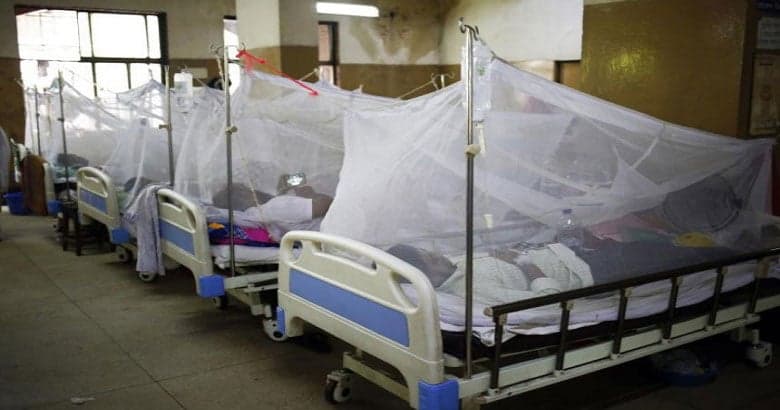

Dengue cases are rising in Bogura, with 1,162 people infected and one death recorded over the past 10 months, as stagnant water and unmanaged waste across the district raise concerns about mosquito breeding and inadequate control measures.
According to district health department data as of October 8, a total of 1,079 patients have recovered, while 83 remain under treatment at hospitals across the district.
Sherpur and Dhunat are among the worst-affected upazilas. Dhunat has recorded 163 cases, with 149 patients recovering and 14 currently hospitalised. In Sherpur, 135 people have been infected, 124 have recovered and 11 remain in hospital.
Dhunat Upazila Nirbahi Officer Arif Ullah Nizami told Views Bangladesh that the administration was conducting regular cleaning drives and weekly Aedes mosquito control activities across unions. He said many of the patients in Dhunat had contracted dengue in Dhaka before returning home.
An assessment of several neighbourhoods in Bogura city, including Latifpur, Colony, Fultala and Banani, found piles of rubbish, clogged drains and stagnant water in discarded coconut shells, plastic bottles and polythene. Similar conditions were observed along both sides of the Sherpur Road and the Dhaka-Rangpur highway near Banani.
Residents said mosquito control activities, including fogging, were occasionally visible around Satmatha and Jaleshwaritola but rarely in other neighbourhoods. They alleged that areas around government offices and officials’ residences received greater attention, while many residential areas remained neglected.
Tea seller Mamun Hossain, who lives in Banani, said mosquito-control drives were occasionally conducted around the Department of Agricultural Extension office, but he had yet to see similar initiatives in his neighbourhood.
The residents alleged that effective measures to control Aedes mosquitoes had been lacking in several parts of the city. Bogura City Corporation Administrator M. R. Islam Swadhin said he was attending a meeting when contacted for comment and would speak later. Repeated subsequent attempts to reach him were unsuccessful.
Dengue is transmitted by Aedes mosquitoes, which breed in stagnant water. The accumulation of waste and water in residential areas can create favourable breeding conditions, increasing the risk of further infections.
Leave A Comment